


Published 04.12.2025
Updated 30.09.2026
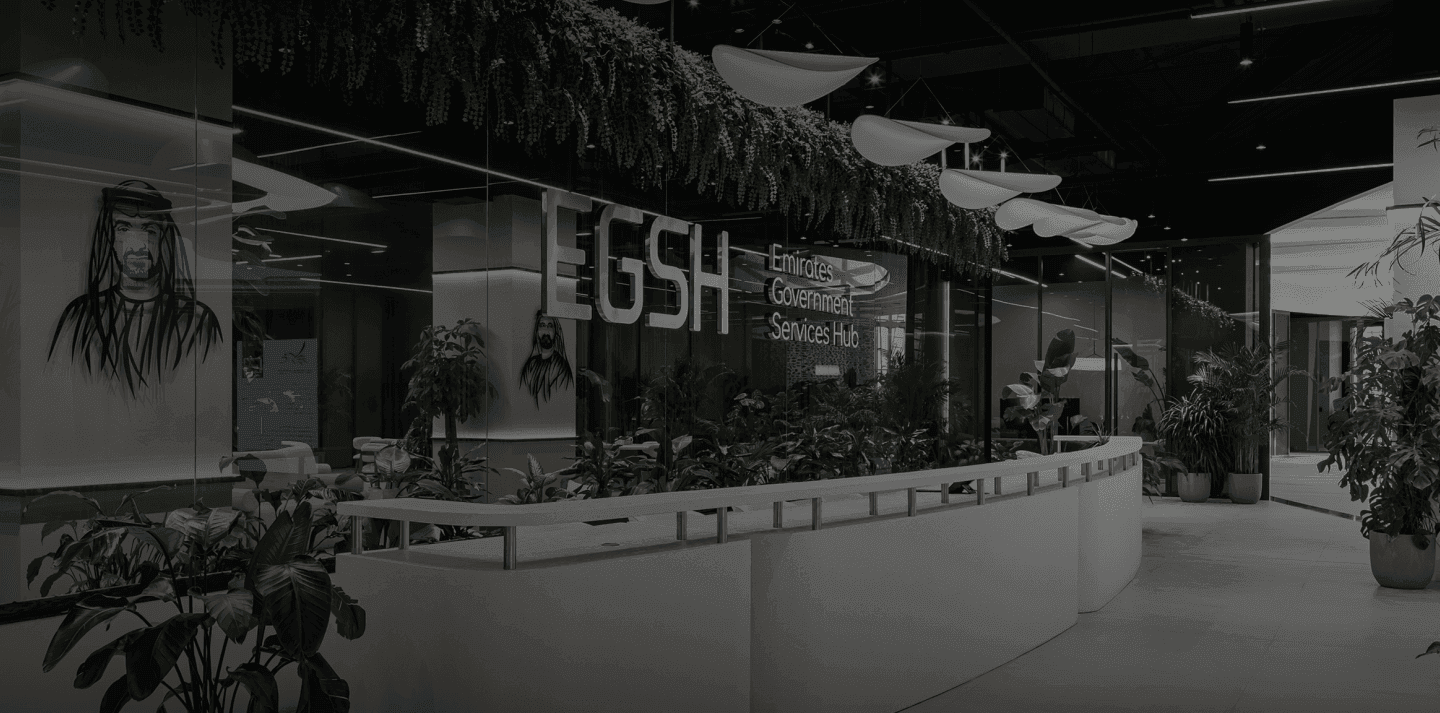
About EGSH
What the 2-Year Property Investor Visa Is and How It Works
The 2-year property investor visa is a residence permit category administered by the General Directorate of Residency and Foreigners Affairs (GDRFA) and processed through the Dubai Land Department's Taskeen programme. It enables a foreign national who owns qualifying residential property in Dubai to obtain a renewable two-year residence permit linked directly to that property ownership.
The DLD operates an integrated service platform — the Cube Centre (also known as DLD Cube or Taskeen) — located at the Al Manara Centre on Sheikh Zayed Road. This platform consolidates property verification, visa issuance, medical fitness coordination, and Emirates ID processing into a single procedural channel for real estate investors.
The residence permit is governed by Federal Decree-Law No. 29 of 2021 on the Entry and Residence of Foreigners and its Executive Regulations issued under Cabinet Resolution No. 65 of 2022. The DLD verifies property ownership, and the GDRFA issues the final residence permit upon security clearance. EGSH — Emirates Government Services Hub — operates as a government-authorised Real Estate Services Trustee Centre and licensed Amer Centre, providing full support with 2-year investor visa applications, document preparation, and coordination with GDRFA and DLD systems.
Apply for a 2-Year Investor Visa in Dubai
Officially regulated fees
No hidden charges
Queue-free service
VIP support at no extra cost
From AED 10,650
Eligibility: Updated Requirements as of April 2026
The DLD published updated eligibility criteria through its Cube platform in April 2026. The previous AED 750,000 minimum threshold has been replaced with an ownership-based framework.
Individual Ownership
A sole property owner may apply for the 2-year residence visa regardless of the property's value. There is no minimum property value requirement for individual owners, provided the applicant holds full ownership of a completed residential property registered with the DLD.
Joint Ownership
If the property is jointly owned by more than one person, each co-owner must hold a share valued at no less than AED 400,000 to qualify for the residence visa independently.

Get Visa Services in Dubai Through EGSH
Authorised One-Stop Government Services Centre
- All government services in one place
- Completed in one visit
- VIP service without queues
- Regulated government fees

Property Conditions
The following conditions apply to all applicants:
- The property must be a completed residential unit. Off-plan properties registered under the Interim Property Register (Oqood) do not qualify until handover and final DLD registration.
- The property must be located in a designated freehold area in Dubai. Properties issued from other emirates or from the Dubai International Financial Centre (DIFC) are not accepted.
- Mortgaged properties are eligible, provided the applicant submits a No Objection Certificate (NOC) from the financing bank.
- For developer-financed properties, a payment statement from the developer is required.
Previous Eligibility Rules
Before April 2026, the 2-year investor visa required sole owners to have paid at least AED 750,000 of the property's value. Joint ownership by married couples was permitted, provided the combined value met the threshold. The updated rules removed this financial floor for individual owners and introduced the AED 400,000 per-share requirement for jointly held properties.
Required Documents
The DLD lists the following documents for the 2-year property investor visa application:
- A title deed of a property in Dubai issued by the DLD
- A liability or No Objection Certificate (NOC) from the bank if the property is mortgaged, or a payment statement from the developer if the property is developer-financed
- A clear passport copy with at least six months' remaining validity
- Old Emirates ID, if applicable
- A high-quality digital photograph matching ICP specifications
- Health insurance from any UAE-registered insurance company

- A certificate of good conduct issued by Dubai Police, addressed to the Dubai Land Department — residents may apply through the Dubai Police mobile app; non-residents must visit the Dubai Police station in Port Rashid
- Applicants from Iran, Pakistan, Iraq, Libya, and Afghanistan must also present their national ID
The applicant's name must match exactly across all submitted documents and the passport. The applicant must attend in person; no companions or representatives are permitted at the Cube Centre.
Investors who hold mortgaged properties should note that securing a bank NOC is a standard requirement across multiple DLD transactions, including investor visa applications and property transfers.



Why Choose EGSH for Government Services in Dubai

VIP Service
Personal assistance and priority processing with no queues.

Affordable Fees
Official government rates with transparent, fixed pricing.

All Services in One Place
Comprehensive range of UAE government services under one roof.

One-Visit Completion
Most procedures are completed in a single visit to the centre.
Step-by-Step Application Process
Step 1 — Prepare Documents and Verify Eligibility
Gather all required documents listed above. Confirm that the property is a completed residential unit registered with the DLD and that the title deed reflects current ownership. If the property is mortgaged, obtain the bank NOC in advance. EGSH, as a government-authorised Real Estate Services Trustee Centre, verifies all documents against current DLD and GDRFA requirements before submission.
Step 2 — Submit the Application
Applications may be submitted through the DLD Cube Centre online portal or in person at the Al Manara Centre. EGSH also accepts and processes 2-year investor visa applications through official DLD Taskeen and GDRFA channels.
Step 3 — Medical Fitness Test
All applicants must undergo a medical fitness examination at a Dubai Health Authority (DHA)-approved centre. The test confirms the applicant is free from communicable diseases. Results are submitted electronically to the DHA and the GDRFA. EGSH coordinates medical fitness appointments at the Smart Salem facility as part of the visa application process.
Step 4 — Emirates ID Registration
Following medical clearance, the applicant completes biometric enrolment and Emirates ID registration through the Federal Authority for Identity, Citizenship, Customs and Port Security (ICP).
Step 5 — Residence Visa Issuance
Upon approval by the GDRFA, the 2-year residence permit is issued electronically and sent to the applicant's registered email address.
Processing Time
The DLD states that the residence visa is typically issued within 7 to 10 working days from the date of complete document submission, depending on approval from the relevant authorities.
Validity, Renewal, and Compliance
Visa Validity and Renewal
The residence permit is valid for two years and is renewable, provided the property ownership conditions continue to be met at the time of renewal. Property investor visa renewal involves re-verification of ownership, a new medical fitness test, updated health insurance, and Emirates ID reissuance. The renewal fee is AED 8,215 through the Taskeen programme.
180-Day Absence Rule
Under Federal Decree-Law No. 29 of 2021, standard residence visas — including the 2-year property investor visa — are automatically invalidated if the holder remains outside the UAE for more than 180 consecutive days. This rule does not apply to Golden Visa holders, Green Visa holders, or Blue Visa holders. Property investors who travel frequently should monitor their absence periods to avoid automatic visa cancellation.

Grace Period After Expiry or Cancellation
If the 2-year investor visa expires or is cancelled, the holder has a 30-day grace period to regularise their status — by renewing, changing visa category, or departing the UAE — without incurring overstay fines.
Family Sponsorship Under the Property Investor Visa
Once the 2-year residence permit is active, the investor may sponsor immediate family members. Under the UAE Government's family sponsorship framework, a resident may sponsor a spouse and children, provided the sponsor earns at least AED 4,000 per month or AED 3,000 plus employer-provided accommodation.
The detailed document requirements and salary thresholds for family visa sponsorship in Dubai vary by dependent category and are set by the GDRFA. Standard supporting documents include attested marriage certificates, attested birth certificates, the sponsor's Emirates ID, a valid tenancy contract or title deed, and proof of income.
Family visa applications can be submitted simultaneously with the investor's principal visa through the DLD Taskeen programme. EGSH processes dependent visa applications alongside the primary investor visa for faster completion.

Visit EGSH for VIP Service Without Queues
You can stop by EGSH during working hours without an appointment or book your visit at a time that suits you best.
Address
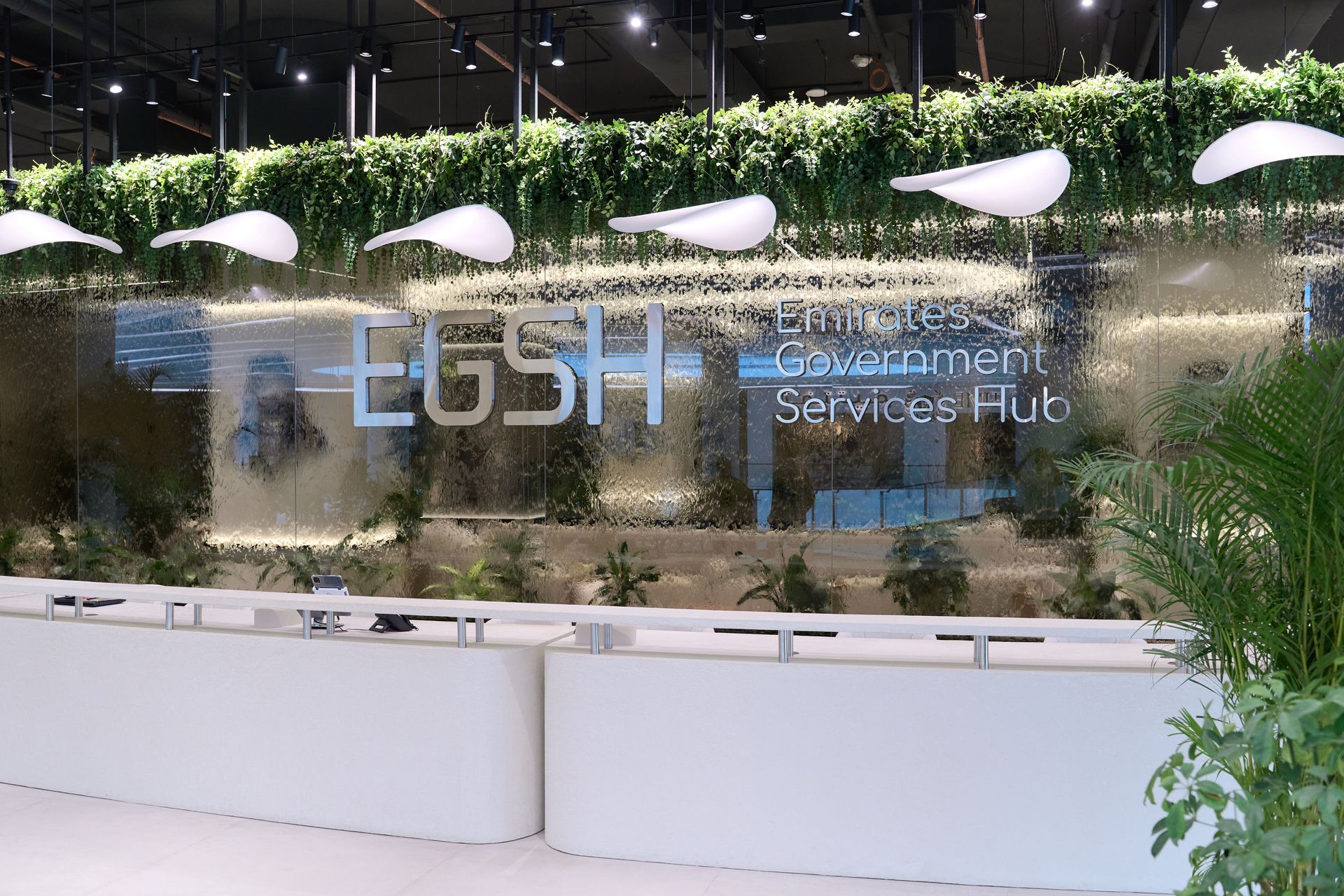
Art of Living Mall, Al Barsha 2, Dubai
Operating hours
Monday–Thursday, Saturday: 9:00 am–5:00 pm
Friday: 9:00 am–12:00 pm, 2:00 pm–5:00 pm
Sunday: Closed

How EGSH Facilitates the 2-Year Property Investor Visa
EGSH — Emirates Government Services Hub — is a government-authorised centre in Dubai operating under multiple licensed capacities, including as an Amer Centre (GDRFA), a Real Estate Services Trustee Centre (DLD), and a Tasheel Centre (MOHRE). For property investors, EGSH provides the following through official government channels:
- Document verification against current DLD and GDRFA requirements
- Application submission through the official DLD Taskeen and GDRFA systems
- Medical fitness coordination at DHA-approved Smart Salem centres
- Emirates ID registration through ICP
- Family visa sponsorship processing for spouses and children
- Investor visa renewal every two years
All approvals are issued by the GDRFA upon review of the submitted application. EGSH does not issue visas or government approvals — it facilitates applications through authorised channels at regulated government fees.

Frequently Asked Questions
What is the minimum property value for a 2-year investor visa in Dubai?
As of April 2026, there is no minimum property value for sole owners applying for the 2-year investor visa. The applicant must hold full ownership of a completed residential property registered with the Dubai Land Department. For jointly owned properties, each co-owner must hold a share valued at AED 400,000 or more.
Can I apply for the 2-year investor visa with a mortgaged property?
Yes. Mortgaged properties are eligible for the 2-year investor visa, provided the applicant submits a No Objection Certificate (NOC) from the financing bank and a current mortgage statement. The property must be a completed residential unit with a title deed issued by the DLD.
How much does the 2-year investor visa cost?
The DLD Cube Centre lists the total fee for a new 2-year property investor visa at AED 10,545. This includes government fees for residency processing. Separate costs apply for the medical fitness test, health insurance, and Emirates ID.
How long does it take to process the 2-year investor visa?
The DLD states that the residence visa is typically issued within 7 to 10 working days from the date of complete document submission, subject to approval by the GDRFA and other relevant authorities.
Can I sponsor my family under the 2-year property investor visa?
Yes. Holders of the 2-year investor visa may sponsor a spouse and children through the DLD Taskeen programme. Family sponsorship requires the sponsor to meet minimum income thresholds set by the GDRFA and to provide attested relationship documents.
What happens if I stay outside the UAE for more than six months?
Under Federal Decree-Law No. 29 of 2021, the 2-year investor visa is automatically invalidated if the holder remains outside the UAE for more than 180 consecutive days. A re-entry permit may be available through the GDRFA, but approval is not guaranteed.
What is the difference between the 2-year investor visa and the Golden Visa?
The 2-year visa requires ownership of a completed residential property in Dubai with no minimum value for sole owners. The Golden Visa requires property valued at AED 2,000,000 or more, is valid for 10 years, and is not subject to the 180-day absence rule. Both are processed through the DLD and issued by the GDRFA.
Can I combine multiple properties to qualify for the 2-year visa?
For joint ownership, each co-owner must hold a share valued at AED 400,000 or more. Sole owners of a single completed property have no minimum value requirement. The DLD verifies all ownership data through its Taskeen system at the time of application.

Official Sources and References
The information in this article is based on the following official UAE government sources.
- Dubai Land Department (DLD) — Government authority responsible for real estate registration, ownership verification, and the Taskeen investor visa programme in Dubai.
- DLD Cube Centre (Taskeen) — Integrated service platform operated by the DLD for real estate investor visa applications, renewals, and family sponsorship.
- General Directorate of Residency and Foreigners Affairs, Dubai (GDRFA) — Immigration authority responsible for residence visa issuance, renewal, and cancellation in Dubai.
- Federal Authority for Identity, Citizenship, Customs and Port Security (ICP) — Federal authority governing Emirates ID registration and federal visa regulations.
- UAE Government Portal — Centralised source for federal legislation, residence visa categories, and family sponsorship rules.
Important Notice
The information in this article reflects the Dubai Land Department's Taskeen programme and GDRFA regulations current at the time of publication. Government fees, eligibility criteria, and procedural requirements are subject to change without prior notice. All investor visa applications are subject to approval by the GDRFA. EGSH, as a government-authorised Amer Centre and Real Estate Services Trustee Centre, facilitates applications through official DLD and GDRFA channels but does not issue residence visas or government approvals. Applicants should confirm the latest requirements with the DLD or the GDRFA before submitting an application.



