


Overview for Investors Planning DMCC Company Formation And Visas
DMCC Dubai free zone, is one of the UAE’s leading hubs for international trade and services, drawing investors who want 100% foreign ownership, efficient visa solutions and a respected regulatory environment. Anyone considering DMCC company formation needs to understand not only DMCC’s own rules, but also the federal and emirate‑level frameworks that govern visas, Corporate Tax and economic substance.
This article explains how the DMCC free zone company registration fits into the wider UAE free zone system, outlines the typical setup process, clarifies cost components, and explores DMCC free zone visa allocation and family sponsorship in light of the General Directorate of Residency and Foreign Affairs (GDRFA) rules. It also summarises key points on UAE Corporate Tax and Economic Substance Regulations (ESR) for DMCC entities, and ends with a practical planning checklist.
Understanding DMCC Within The UAE Free Zone Framework
Under the UAE Corporate Tax regime, a “Free Zone Person” is a juridical person incorporated, established or otherwise registered in a designated free zone, as well as branches of UAE or foreign companies registered in a free zone. A DMCC entity or its branch, therefore, falls squarely within this definition and is treated as a Free Zone Person for corporate tax purposes. This status brings specific compliance duties, but also access to the “Qualifying Free Zone Person” regime, where conditions are met.
The DMCC is one of Dubai’s recognised free zones, supervised by its own authority. Federal guidance on free zones directs investors to each free zone authority’s website for detailed rules, procedures and fee schedules. For a DMCC free zone company setup, this means that, while federal portals describe the general framework, only the DMCC Authority’s own publications should be used for current information on formation fees, visa quotas per office type, and internal procedural steps.
UAE investor guides highlight the main advantages typical of a UAE free zone company. These include 100% foreign ownership, full repatriation of profits and capital, and customs duty exemption on imports and re‑exports through the free zone, which can significantly reduce operating costs for trading businesses. In addition, free zones generally offer 0% personal income tax and, at the local level, 0% corporate tax incentives, which now coexist with the federal 9% Corporate Tax that applies to non‑qualifying income.

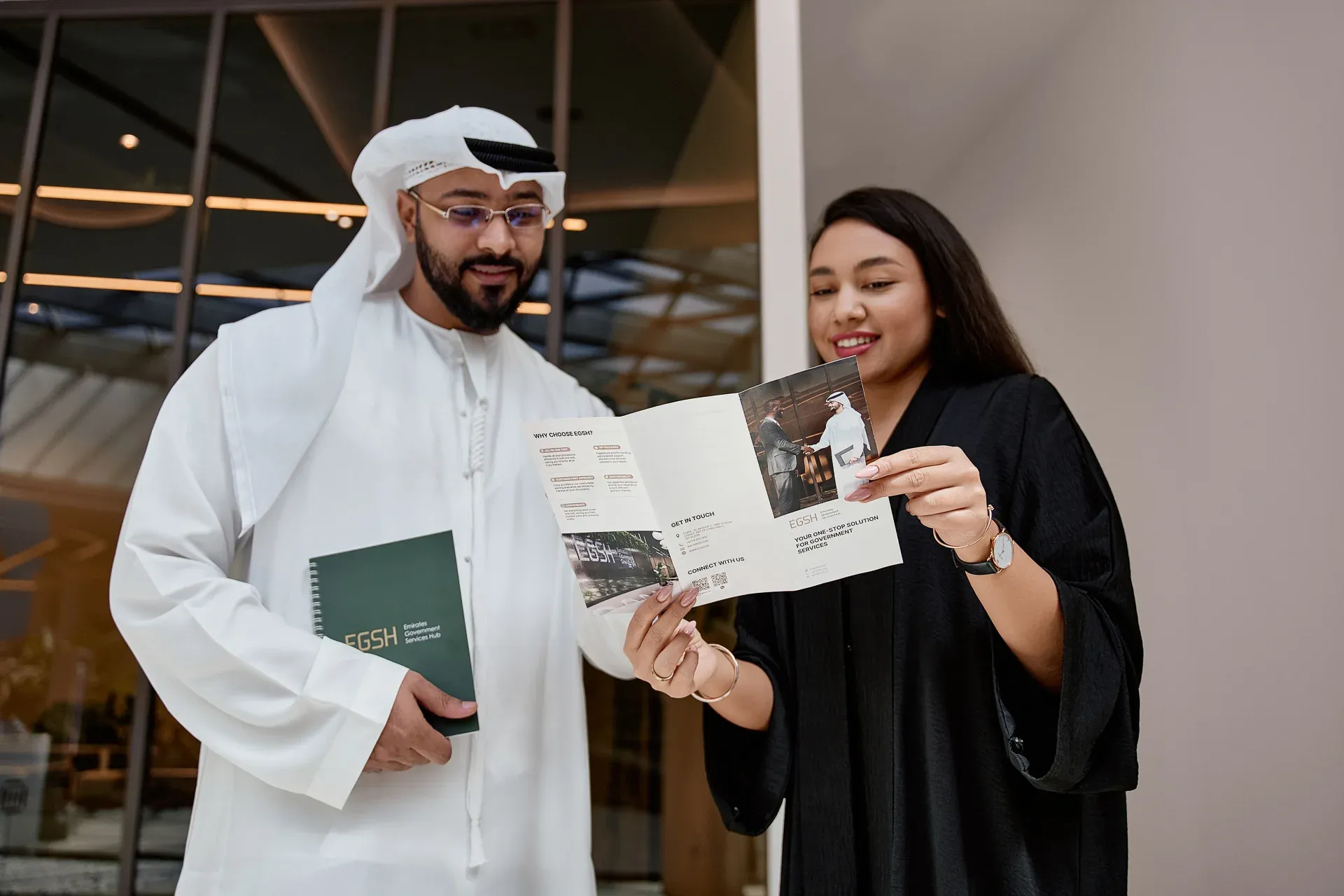
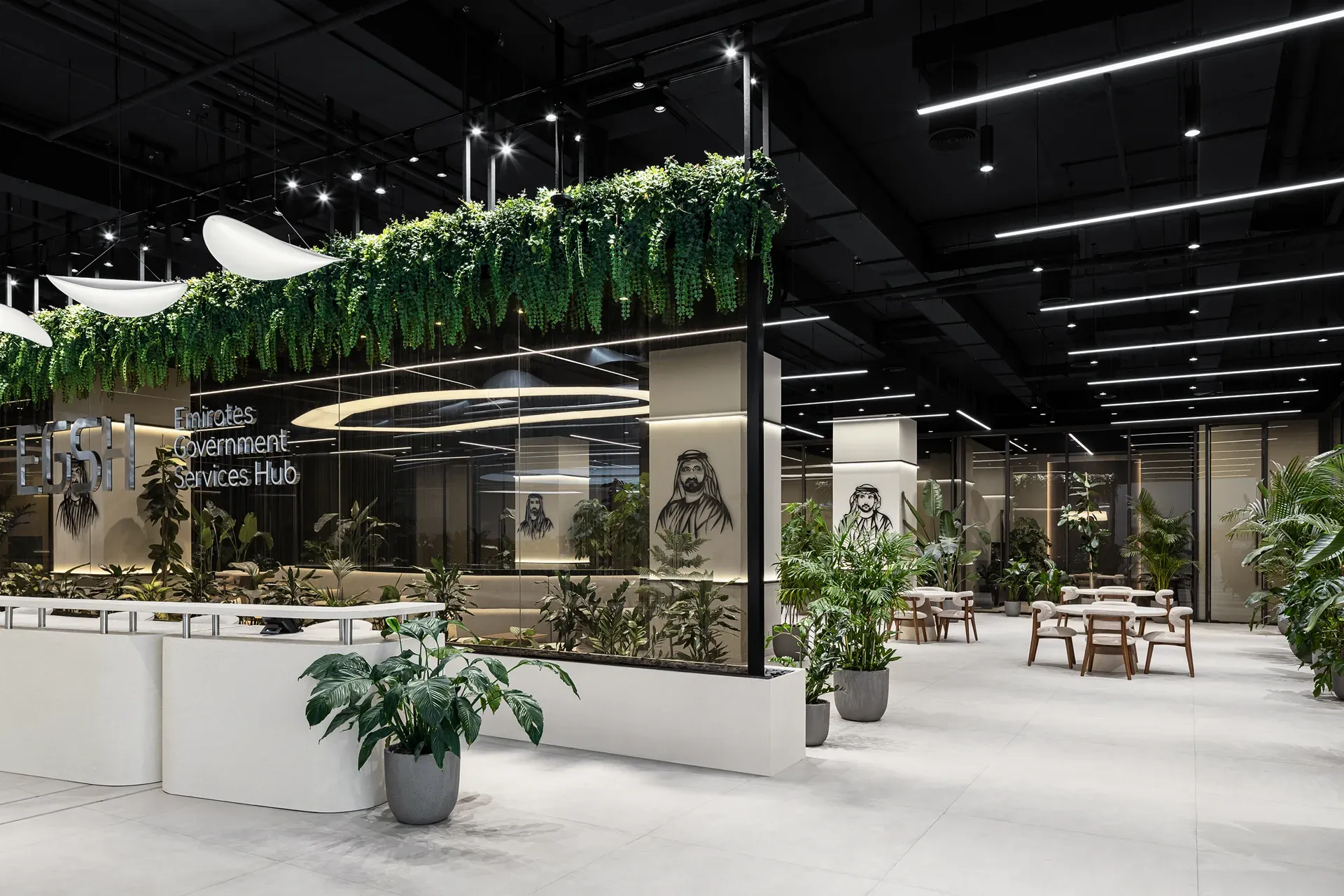
Get Business Services in Dubai Through EGSH
Authorised One-Stop Government Services Centre
- All government services in one place
- Completed in one visit
- VIP service without queues
- Regulated government fees

Legal Forms And Licensing Options For A DMCC Company
Across UAE free zones, including the DMCC, investors will usually choose between a single‑shareholder entity, a multi‑shareholder entity, or a branch. The common free zone structures are: the Free Zone Establishment (FZE or FZ‑LLC) with one shareholder, the Free Zone Company (FZC or FZCO) with typically two to five shareholders, and a branch of an existing UAE or foreign company. Some free zones also offer freelancer or solo‑practitioner permits; whether these exist in the DMCC and on what terms must be confirmed directly with the DMCC Authority.
Typical licence categories cover trading, services and industrial activities, alongside specific specialised sectors. Each free zone, including the DMCC Dubai free zone, maintains its own list of permitted activities and licence descriptions, which determine what the company may legally do and which regulators may be involved. When considering a DMCC free zone company registration, it is essential to verify that your intended activities appear on the DMCC’s lists and to identify any sector‑specific approvals that may be required.
Each free zone authority also sets capital requirements. Federal materials note that some free zones do not require a minimum capital for certain licence types, while others prescribe specific thresholds. For DMCC company formation cost planning, you must therefore consult the DMCC schedule to understand the minimum share capital, whether it must be paid up, and any evidence of capital that must be filed during incorporation or annual renewal.
A simplified comparison of common UAE free zone legal forms is as follows:
| Legal Form | Typical Shareholders | Typical Use Case |
|---|---|---|
| FZE / FZ‑LLC | One individual or one company | Owner‑managed trading or services entity |
| FZC / FZCO | Two to five individuals/companies | Joint ventures or multi‑investor structures |
| Branch of a UAE or foreign company | Parent company only | Extension of existing business footprint |


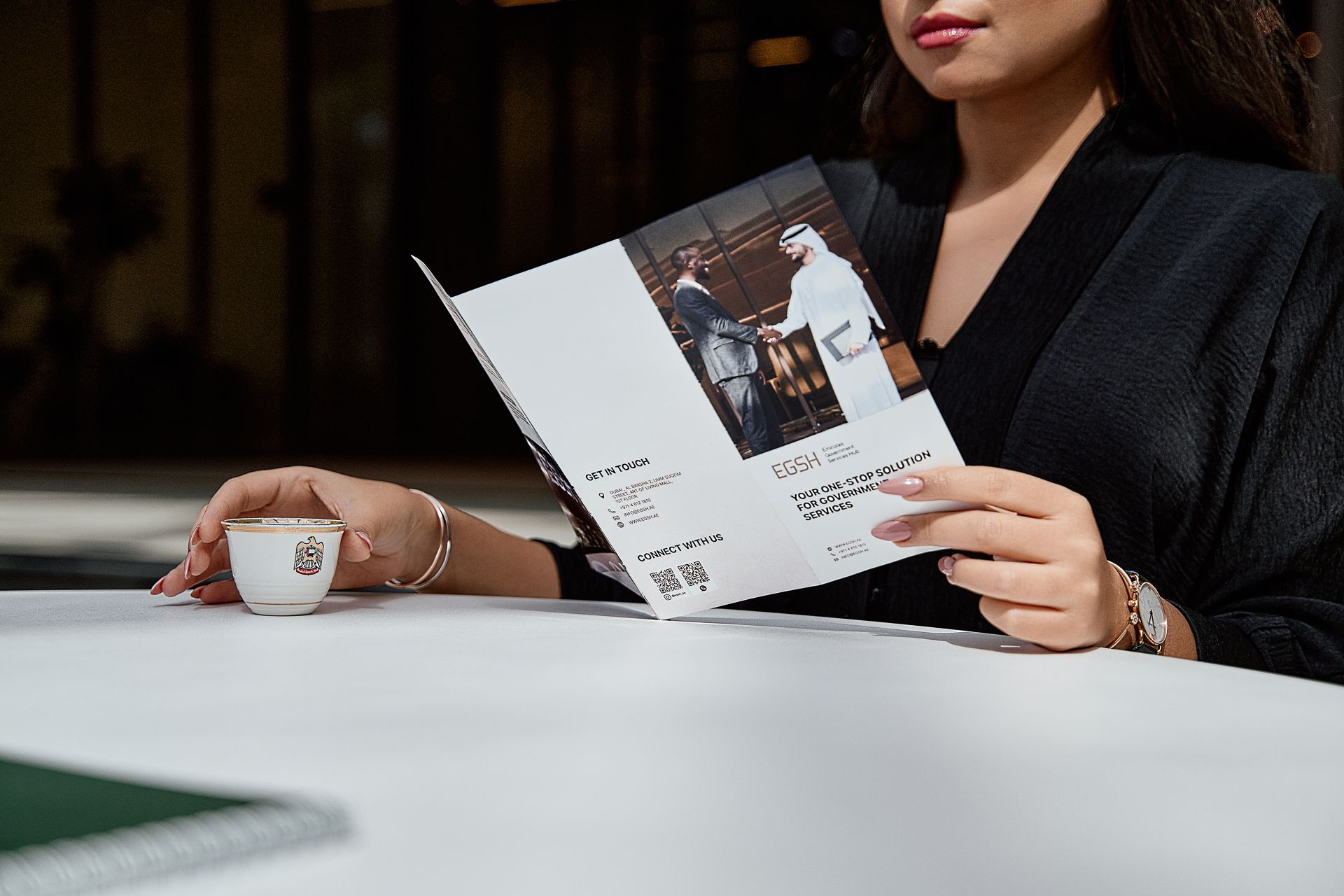
Why Choose EGSH for Government Services in Dubai

VIP Service
Personal assistance and priority processing with no queues.

Affordable Fees
Official government rates with transparent, fixed pricing.

All Services in One Place
Comprehensive range of UAE government services under one roof.

One-Visit Completion
Most procedures are completed in a single visit to the centre.
Step‑By‑Step DMCC Company Setup Process
Determine Legal Form, Activities, And Trade Name
Federal guidance on free zones starts with clarifying your legal structure, business activities and proposed trade name. For a DMCC free zone business setup, this means deciding whether an FZE‑style single‑shareholder entity, an FZC‑type multi‑shareholder entity or a branch best supports your commercial and tax objectives. You should also check whether your activities might be “Relevant Activities” under the Economic Substance Regulations, as this will influence future compliance requirements.
Once the structure is chosen, you select your activities from the DMCC’s permitted list and reserve a trade name in line with the DMCC and general UAE naming rules. Names must typically avoid restricted terms, be distinctive, and reflect the company’s activities where required. At this stage, it is advisable to confirm any sector approvals that may be needed so that they can be built into your DMCC company formation timeline.

Apply For The DMCC Licence And Secure Office Facilities
UAE guidance explains that setting up a free zone company involves applying to the relevant free zone authority for the appropriate business licence and leasing premises within the zone. In the DMCC, the application will typically include shareholder documents, constitutional documents, business plan details and the selected activity and licence type. The DMCC Authority reviews these materials and may issue initial approval, subject to satisfying remaining conditions.
Office facilities are integral to a DMCC free zone visa allocation and immigration planning. Free zones generally offer a range of options such as flexi‑desks, shared offices and dedicated offices, and link the office size or package type to the number of visas (visa quota) that can be sponsored. For the DMCC, the precise relationship between office package and DMCC visa quota is defined in its own rules, so it’s advisable to match your expected staffing and family sponsorship needs to the available office categories before you commit to a lease.
Final Approvals, Incorporation Documents, And Opening The Immigration File
Once documentation, approvals and office leasing are complete and all DMCC fees have been paid, the free zone authority issues the incorporation documents and the DMCC free zone licence. At this point, the company is a Free Zone Person for corporate tax purposes and may commence operations, subject to any sector‑specific permissions that remain outstanding. From a practical standpoint, you can now open bank accounts and sign commercial contracts in the company’s name.
To employ staff or issue an investor visa, a DMCC company must also open an immigration file with the General Directorate of Residency and Foreigners Affairs – Dubai (GDRFA‑Dubai). This is done by obtaining an establishment card via the GDRFA’s “Establishment Card for Institutions in the Private Sector/Free Zone” service. The application is submitted through the GDRF’s smart services or at a Customer Happiness Centre, with standard requirements such as the list of partners, passport copies for authorised signatories and any notarised authorisations requested by GDRFA, followed by payment of the prescribed fees.

Visit EGSH for VIP Service Without Queues
You can stop by EGSH during working hours without an appointment or book your visit at a time that suits you best.
Address
Art of Living Mall, Al Barsha 2, Dubai
Operating hours
Monday–Thursday, Saturday: 9:00 am–3:00 pm
Friday: 9:00 am–12:30 pm
Sunday: Closed

Cost Components Of Setting Up And Maintaining A DMCC Company
Federal portals clearly state that each free zone authority publishes its own detailed fee schedules, so the DMCC company formation cost figures must always be taken directly from DMCC’s current tariff. Nevertheless, investors can anticipate certain broad categories of cost that are standard across UAE free zones. These fall into authority fees and capital requirements, immigration and visa‑related charges, and ongoing operational and compliance expenditure.
DMCC Authority Fees And Capital Requirements
The DMCC authority‑level costs usually start with name reservation and initial application fees, followed by company registration and first‑year licence issuance charges. To these, you add the cost of leasing office space in the free zone, which often represents a substantial component of annual outlay and directly affects your DMCC free zone visa allocation. Capital requirements, if any, will be defined in the DMCC regulations, and you may need evidence that share capital has been subscribed as part of the incorporation process.
Investor guides emphasise that free zones may offer 0% local corporate tax incentives alongside federal rules. When reviewing DMCC packages, consider how any local incentives interact with the federal Corporate Tax Law and with your ability to qualify as a Qualifying Free Zone Person. Professional tax advice is advisable where you expect to earn Qualifying and non‑Qualifying Income or to transact significantly with mainland UAE or foreign related parties.
Immigration, Visa, And Government Charges
Beyond the DMCC authority fees, every DMCC company must budget for federal and emirate‑level immigration charges. The GDRFA’s schedules cover establishment card issuance, residence entry permits, visa stamping, renewals and fines. By way of example, the GDRFA lists a residence entry permit fee of AED 1,035 where the sponsored person is already in the country and AED 365 where they are outside, with an overstay fine of AED 25 per day for that category after entry. These figures are subject to change, so current amounts should always be checked on the GDRFA channels or via Amer centres.

The GDRFA also publishes fees for residence visa stamping and renewal, including for dependants of expatriate sponsors. Illustratively, a three‑year residence for an expatriate sponsor’s dependent is shown at AED 560 and a one‑year residence at AED 360, with somewhat lower levels for dependents of UAE citizens. Again, these are government fees that sit alongside, and in addition to, any processing charges levied by the DMCC as part of its internal visa services.
Ongoing Annual Costs And Compliance
Once the company is operational, you will face recurring expenses. These include annual renewal of the DMCC free zone licence, renewal of the office lease, and regular renewal of employee and investor visas, usually every two or three years, depending on visa type. Any expansion in staff numbers is likely to require additional office space if you are to remain within your DMCC visa quota linked to premises.

Compliance‑related spending should not be underestimated. Free Zone Persons must register for Corporate Tax and file returns, and those aiming to be treated as Qualifying Free Zone Persons must maintain audited financial statements and robust transfer pricing documentation. Companies performing Relevant Activities under the Economic Substance Regulations must file ESR notifications and reports and maintain adequate economic presence in the UAE. This means allowing for audit, accounting and advisory costs as a regular part of your DMCC business budget.

A concise review of the main cost headings is:
| Cost Category | Examples | Who Sets/Collects |
|---|---|---|
| Formation and licence | Name reservation, registration, licence, amendments | DMCC Authority |
| Office and facilities | Flexi‑desk, serviced office, dedicated space | DMCC/free zone developers |
| Immigration and visas | Establishment card, entry permits, visa stamping | GDRFA‑Dubai and federal authorities |
| Compliance and advisory | Audit, accounting, tax and ESR advisory | Private service providers/auditors |
Visa Allocation And Immigration For DMCC Free Zone Companies
Establishment Card And Company Immigration File
The establishment card is central to the DMCC free zone visa allocation, because without it, the company cannot sponsor investor, employee or family visas. According to the GDRFA, the application is made via its smart services system (accessed with UAE Pass or username) or in person at a Customer Happiness Centre. The process involves selecting the establishment card service, completing the electronic form, attaching the requested documents such as the trade licence, partner list and passport copies, and paying the government fee.
The GDRFA also notes that a company’s immigration file can be placed under “temporary closure” where restrictions or non‑compliance issues arise. While a file is temporarily closed, the company’s ability to issue new entry permits or complete residency formalities for sponsored persons may be suspended. To restore full functionality, the company must follow the specific temporary closure registration and clearance procedure described by the GDRFA, settle any fines or outstanding obligations, and obtain confirmation that the file has been reactivated.
Employee Work Permits And Residence Visas
Federal guidance on “working in free zones” and “recruiting in free zones” explains that each free zone authority has its own rules and processes for hiring staff. For the DMCC, this means that work permit applications for employees are submitted through the DMCC’s internal systems or service partners, and the authority then coordinates with federal immigration authorities, such as the GDRFA‑Dubai, for entry permit issuance and residence visa stamping. Timeframes and document formats can vary between the DMCC and other free zones.
Employees in free zones are covered by UAE Labour Law (Federal Decree-Law No. 33 of 2021). Free zone authorities may apply their own administrative procedures and internal HR processes, but the underlying employment relationship must comply with federal labour legislation. When you plan a DMCC free zone company setup, reviewing the DMCC’s employment regulations on matters such as probation, termination, end‑of‑service benefits and internal dispute handling would be prudent. This is particularly important for businesses intending to recruit larger teams, as HR policies must align with the DMCC’s framework while also respecting federal immigration requirements.
Family Sponsorship By DMCC Investors And Staff
Free zone investors and employees who hold valid UAE residence visas can, in many cases, sponsor their family members, provided they satisfy federal eligibility criteria. The UAE portal confirms that a minimum monthly salary is required – for example, AED 4,000 or AED 3,000 plus accommodation – and that the sponsor must hold an eligible profession or status.
For residence entry permits in Dubai, the GDRFA indicates that applications can be lodged through Amer centres or the GDRFA Dubai mobile application. Required documentation typically includes passport copies and photographs of the sponsored persons, the sponsor’s original passport and Emirates ID, a tenancy contract and recent utility bill to prove accommodation, and a salary certificate or labour contract. Once the entry permit is used to enter or status is adjusted in the UAE, the residence visa is stamped on the passport, again subject to payment of the relevant GDRFA fees.

Visa Cancellation And Closing A DMCC Free Zone Business
When an employee leaves or when you decide to close a DMCC free zone company, all sponsored visas must be cancelled in coordination with the GDRFA. According to the GDRFA FAQs, visa cancellation is applied for via the Amer centres or the GDRFA app, with the original passports and Emirates IDs of both the sponsor and the sponsored person. Fees listed by the GDRFA include AED 225 for companies cancelling a visa while the sponsored person is in the UAE and AED 325 where the person is outside, in each case, plus Amer service charges.
Federal guidance on closing a free zone business confirms that licence cancellation and visa cancellations must proceed together. In practice, the DMCC will only finalise company deregistration once all sponsored employees and dependants have had their visas and work permits cancelled, and any outstanding dues, fines or reporting obligations have been cleared with theDMCC and GDRFA. Careful sequencing is crucial to avoid overstays or unexpected liability.
Tax And Regulatory Considerations For DMCC Companies
Corporate Tax And Qualifying Free Zone Person (QFZP) Status
The Federal Tax Authority (FTA) confirms that all Free Zone Persons, including DMCC entities, must register for Corporate Tax and comply with filing and payment obligations through EmaraTax or other approved channels. Being located in a free zone does not, in itself, exempt a company from Corporate Tax registration. However, a DMCC company that qualifies as a Qualifying Free Zone Person (QFZP) may benefit from a 0% corporate tax rate on its “Qualifying Income”.
The FTA guidance sets out the key QFZP conditions. Broadly, the company must maintain adequate substance in a free zone, derive Qualifying Income as defined in the Corporate Tax regulations, and must not have elected to be taxed under the standard regime. It must comply with the arm’s length principle and maintain transfer pricing documentation, maintain audited financial statements, and ensure that any non‑qualifying revenue remains within the de minimis threshold, defined as the lower of AED 5 million or 5% of total revenue.

It is also important to note that the 0% rate does not apply to any non‑Qualifying Income, including the first AED 375,000 of such income. Any Taxable Income that is not Qualifying Income is fully taxed at 9%. DMCC companies, therefore, need to monitor their revenue streams carefully, segregate qualifying and non‑qualifying activities where possible, and consider their contractual and operational arrangements with customers and related parties in the mainland UAE and abroad.
Economic Substance Regulations And Operating In DMCC
Under the UAE Economic Substance Regulations, entities in free zones that carry out specified “Relevant Activities” – such as distribution and service centre business, headquarters business or holding company activities – must demonstrate adequate economic presence in the UAE. This includes being directed and managed in the UAE, having an adequate number of qualified full‑time employees here, incurring adequate operating expenditure locally, and possessing appropriate premises for the nature and scale of the activities.
DMCC companies that fall within the ESR must file annual ESR notifications and, where relevant, economic substance reports. Practically, this means that decisions about office size, on‑the‑ground staffing, and the location of board and management meetings are not only commercial but regulatory in nature. Aligning your DMCC free zone company setup – especially office facilities and senior personnel presence – with both ESR and Corporate Tax expectations is essential for maintaining QFZP status and avoiding administrative penalties.
Practical Planning Checklist For New DMCC Investors
When you plan a DMCC free zone company setup, it is helpful to proceed through a structured checklist. First, define your intended activities, target markets and ownership structure, then decide whether an FZE‑style single‑shareholder entity, an FZC‑type multi‑shareholder entity or a branch best suits your needs. At the same time, consider whether your activities could be Relevant Activities for ESR and whether you aim to qualify as a QFZP under the Corporate Tax regime.
Next, confirm the DMCC’s current requirements for minimum share capital, permitted activities and trade name rules, and study the DMCC’s office packages and visa quota attached to each. Map your staffing plan, including investors, employees and likely family sponsorships, against these quotas so you do not outgrow your immigration capacity too early. Parallel to this, prepare a budget that includes DMCC authority fees, expected government visa fees, office leasing costs, and recurring expenses such as audit, tax filing and ESR reporting.
Finally, before committing, review the latest official sources: DMCC Authority publications for DMCC‑specific rules and fees; ESR and family sponsorship guidance; the tax authority’s materials for Corporate Tax and QFZP rules; and GDRFA‑Dubai for visa, establishment card and cancellation procedures. This multi‑source approach reduces the risk of relying on outdated or incomplete information and helps you structure a compliant, scalable DMCC free zone company from the outset.

FAQ On DMCC Free Zone Company Setup, Costs, Visas And Tax
How to set up a company in DMCC Dubai step by step?
The sequence typically follows federal free zone guidance: decide on the legal form (FZE/FZ‑LLC, FZC/FZCO or branch), define your activities and check they are on the DMCC’s permitted list, and reserve a compliant trade name. You then submit a DMCC licence application with shareholder and corporate documents, secure an office or flexi‑desk within DMCC, and pay the prescribed authority fees. After approval, DMCC issues the incorporation documents and your DMCC free zone licence, and you can proceed to obtain an establishment card with the GDRFA‑Dubai and start applying for investor and employee visas.
What are the costs of DMCC company formation and ongoing operation?
Exact DMCC company formation cost figures are set by the DMCC Authority and published on its own fee schedules, which you should always consult directly. In broad terms, you will incur fees for name reservation, company registration and initial licence issuance, plus the cost of leasing office space and obtaining an establishment card. Ongoing costs include annual licence and office renewal, visa renewals, government immigration fees such as residence entry permits and visa stamping, and compliance costs for audit, Corporate Tax returns and, where relevant, ESR reporting.
How many visas can a DMCC company get, and how is the DMCC visa quota determined?
Visa allocation in the DMCC is tied primarily to the size and type of your office facilities, in line with standard practice in UAE free zones. A flexi‑desk may allow fewer visas than a dedicated office, and larger offices may support greater staff numbers. However, the exact DMCC free zone visa quota per office type is set only by the DMCC Authority. It may change over time, so you must refer to DMCC’s current office and visa entitlement matrix or consult DMCC directly when planning headcount.
What are the government fees for visas for DMCC companies?
DMCC companies sponsoring investors or employees pay federal and emirate‑level fees based on the GDRFA schedules, alongside any DMCC service charges. For illustration, the GDRFA lists a residence entry permit fee of AED 1,035 when the applicant is in the UAE and AED 365 when outside, and an overstay fine of AED 25 per day for that category. Dependant visa stamping fees are indicated, for example, as AED 560 for three years and AED 360 for one year for dependants of expatriate sponsors. These figures can be updated, so always verify the latest amounts on the GDRFA platforms or at Amer centres.
Can DMCC free zone companies sponsor family visas for investors and employees?
Yes, provided the sponsor holds a valid UAE residence visa and satisfies federal criteria, DMCC investors and employees can usually sponsor family members. Federal guidance specifies minimum income thresholds, such as a monthly salary of AED 4,000 or AED 3,000 plus accommodation, as well as requirements relating to the sponsor’s status and the relationship to the sponsored person. Applications are filed with the GDRFA‑Dubai via Amer centres or the mobile app and must include passport copies, photographs, tenancy contract, recent utility bill and salary certificate or labour contract, in addition to the sponsor’s original passport and Emirates ID.
How can a DMCC company become a Qualifying Free Zone Person?
DMCC entities are Free Zone Persons under the UAE Corporate Tax Law and must register for Corporate Tax and file tax returns. A DMCC company can benefit from a 0% Corporate Tax rate on Qualifying Income if it meets the conditions to be treated as a Qualifying Free Zone Person, including maintaining adequate substance in a free zone, deriving Qualifying Income as defined in the regulations, and not electing to be taxed under the standard regime.
It must also comply with the arm’s length principle and transfer pricing requirements, maintain audited financial statements, and keep non-Qualifying Income within the de minimis threshold (the lower of AED 5 million or 5% of total revenue). Any Taxable Income that is not Qualifying Income is taxed at 9%. In practice, DMCC companies need to monitor and segment their revenue streams, structure contracts with related and unrelated parties carefully, and regularly review their position against the latest Corporate Tax and QFZP guidance.

Explained by
Shaimaa Sayed Qasem
Department of Dubai Economic Services at EGSH
Shaimaa Sayed Qasem is a dedicated service provider at the Department of Dubai Economic Services at EGSH, with seven years of experience delivering business services, supporting clients and ensuring compliance with regulatory requirements.



