


About EGSH
Business Setup Costs in Dubai: DET Mainland and Free Zone Comparison
Dubai attracts investors from around the world, and most new entrants quickly face the same decision: obtain a mainland licence from the Department of Economy and Tourism (DET) or incorporate in one of Dubai’s many free zones. Many comparisons focus only on the advertised trade licence cost in Dubai, while the actual long‑term expense depends on how different authorities charge for premises, visas and compliance.
This guide explains how business setup costs in Dubai are formed for both mainland and free zone structures. It covers DET and free zone authority fee structures, premises and visa cost drivers, shared federal costs such as corporate tax, VAT, Economic Substance Regulations and Ministry of Economy (MoEC) fees, plus renewals and penalties.
Register Your Company in Dubai
Officially regulated fees
No hidden charges
Queue-free service
VIP support at no extra cost
From AED 12,000
Why Cost Comparison in Dubai Matters
A realistic Dubai company formation cost comparison must go beyond the first‑year licence or package fee, because that headline figure rarely includes all regulatory and operational obligations. The overall cost of starting a business in Dubai mainland or a free zone usually combines authority fees, fit‑out and rent, staff visas, tax compliance, banking requirements and ongoing amendments or renewals.
Ignoring components such as lease registration, work permits, MoEC registrations, or tax filings can lead to under‑budgeting and cash‑flow pressure once operations start. Government fee schedules for DET, free zone authorities, and federal bodies are periodically updated, so investors should always confirm exact figures on portals such as the Invest in Dubai licence application platform, the relevant free zone’s e‑services, MoEC's tax services, and ESR. Comparing structures by cost component provides a more reliable basis for choosing between mainland and free zone business setup.

Mainland and Free Zone Models in Dubai: Key Licensing Differences
Mainland and free zone companies operate under UAE federal law, but they are licensed by different authorities and enjoy different market access and premises options.
What Is a Dubai Mainland Company?
A Dubai mainland company holds a Department of Economy and Tourism trade licence, usually applied for through DET’s online systems, including the Invest in Dubai portal. According to DET’s model, the licence determines the permitted activities and is linked to premises that meet Dubai Municipality's zoning and building standards.
Mainland companies are authorised to trade directly with customers anywhere in the UAE (subject to activity permissions) without appointing a separate onshore distributor, which can reduce long‑term distribution and logistics costs for certain models. They must comply with DET’s rules on local approvals, office requirements and activity classifications, and they handle labour matters through federal channels such as MOHRE.

What Is a Dubai Free Zone Company?
A Dubai free zone company is incorporated and licensed by a specific free zone authority, which acts as the registrar, economic regulator and labour authority inside that zone. The authority sets its own schedule of incorporation, licence and premises fees, often structured as bundled Dubai free zone licence packages.
Free zone companies are generally licensed to operate within their zone and in international markets, while regular retail trading with the UAE mainland typically requires a mainland‑licensed distributor or a separate mainland branch. Both mainland and free zone entities are still subject to federal frameworks, such as UAE corporate tax for mainland companies and free zone companies, the Economic Substance Regulations UAE, and federal MoEC services, but their local cost structures differ significantly.

Get Business Set Up Services in Dubai Through EGSH
Authorised One-Stop Government Services Centre
- All government services in one place
- Completed in one visit
- VIP service without queues
- Regulated government fees

Cost Structure of a Dubai Mainland Company
For mainland entities, the Dubai mainland company setup cost is usually the aggregate of multiple DET, municipal, federal and service‑provider charges. Many of these items are billed separately, so planning requires a structured view of each layer.
Core DET Fees and Online Processes
A DET mainland trade licence cost is built from several government components, which can usually be initiated and paid online via the Invest in Dubai portal. Typical items include initial approval, trade name reservation, licence issuance fees, activity‑specific charges and mandatory knowledge and innovation fees. Many Dubai mainland trade licence fees are consolidated into a single payment order on Invest in Dubai, simplifying settlement while preserving the breakdown for reference.
Invest in Dubai currently offers free business name reservation for 30 days, giving investors a cost‑free window to refine their plan before filing the full application. Once activities are chosen and the application is confirmed, DET issues the licence electronically, but the total still reflects each component and any required external approvals for regulated sectors.

Additional Mainland-Specific Setup Costs
Beyond the DET bill, mainland companies usually incur notarisation and attestation costs for constitutional documents such as the Memorandum of Association or, where applicable, local service agent agreements. These documents are typically processed through Dubai notary services and, for foreign documents, may also require consular or Ministry of Foreign Affairs attestation.
Premises costs go beyond rent: mainland leases generally need Ejari registration and, in some cases, further land department or municipal attestations. Employers also need to set up MOHRE and, where relevant, GDRFA/ICP establishment records, using service centres such as Tasheel, each transaction attracting federal and service fees. External approvals from sector regulators, plus optional federal services such as UAE Ministry of Economy registration fees for certain licences or contracts, add further cost lines that must be included in any Dubai mainland trade licence fees estimate.



Why Choose EGSH for Government Services in Dubai

VIP Service
Personal assistance and priority processing with no queues.

Affordable Fees
Official government rates with transparent, fixed pricing.

All Services in One Place
Comprehensive range of UAE government services under one roof.

One-Visit Completion
Most procedures are completed in a single visit to the centre.
Cost Structure of a Dubai Free Zone Company
For the Dubai free zone business setup cost, the primary reference is the chosen free zone’s own tariff and package structure. While marketing material often promotes all‑inclusive prices, investors should analyse which components are actually bundled and which remain separate.
Licence and Registration Fees Through Free Zone Authorities
Free zone companies pay their incorporation, registration, and trade licence costs directly to the free zone authority, which fulfils both the registrar and economic department roles within the zone. Annual licence renewal and company maintenance fees are defined in that authority’s schedule rather than by DET.
Each free zone sets its own categories and activities, minimum share capital (if any) and documentation requirements, but many still mirror general UAE company law principles. Because the authority is also the local labour channel, fees for establishment cards, work permits and related services are usually published in a unified schedule alongside licence fees.

Package Models and Their Impact on Total Cost
Many Dubai free zones offer bundled packages that combine a trade licence, registration, a specific premises solution, and a number of residence visa quotas for a single annual fee. Packages might include a flexi‑desk, shared office, private office, or warehouse space, and they often include internal lease registration in the price, unlike in the mainland, where lease registration is a separate process. This structure can simplify budgeting for Dubai free zone licence packages, especially for small or early‑stage businesses.
A significant cost advantage of some free zones is the ability to start with a flexi‑desk or shared office, reducing upfront rent and fit‑out compared with a full mainland office lease. However, add‑on costs still arise from additional visas, internal no‑objection certificates, registry amendments and, where applicable, moving to larger premises as the business grows.
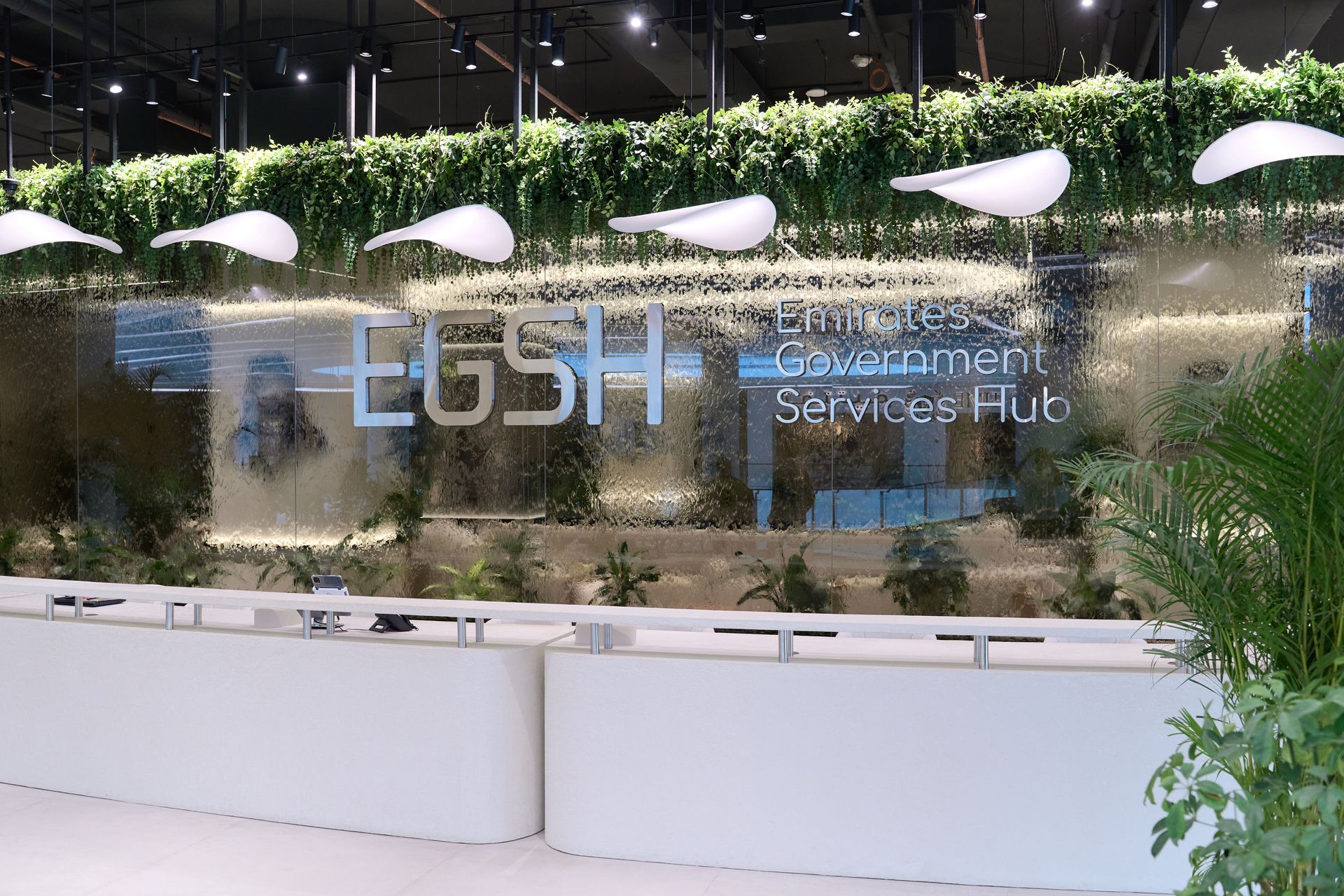
Visit EGSH for VIP Service Without Queues
You can stop by EGSH during working hours without an appointment or book your visit at a time that suits you best.
Address
Art of Living Mall, Al Barsha 2, Dubai
Operating hours
Monday–Thursday, Saturday: 9:00 am–5:00 pm
Friday: 9:00 am–12:00 pm, 2:00 pm–5:00 pm
Sunday: Closed

Shared Federal Costs: Corporate Tax, VAT, MoEC Fees and ESR
Regardless of whether a company holds a mainland or free zone licence, several cost drivers stem from UAE federal rules rather than local licensing authorities. These include corporate tax, VAT, certain MoEC services and substance reporting.
Corporate Tax and Free Zone Incentives
Under the federal corporate tax regime, businesses conducting activities under a commercial licence in the UAE generally face 0% tax on taxable income up to AED 375,000 and 9% on income above that threshold. This framework covers both mainland and free zone entities, so tax planning is now part of the cost calculation for all substantial businesses.
The regime also indicates that the UAE will continue honouring existing incentives for qualifying free zone businesses that comply with regulatory conditions and avoid disallowed mainland activities. Achieving and maintaining such a qualified status can reduce effective tax costs but may require additional compliance work, substance in the free zone, and careful monitoring of onshore transactions, which themselves carry administrative costs.

VAT and Designated Zones
VAT is a federal tax that applies to taxable supplies made by both mainland and free zone companies once they exceed the registration threshold. Some free zones include “designated zones” for VAT purposes, where specific treatments apply to the supply of goods, particularly in logistics and manufacturing contexts.
While VAT does not usually change the face value of local licence or visa fees, it affects customer pricing, cash flow and compliance expenditure on accounting systems, filings and potential audits. Businesses operating in or supplying to VAT-designated zones should model how VAT in UAE free zones and designated zones affects their indirect tax costs relative to a standard mainland setup.

Ministry of Economy and ESR Obligations
Several services that can materially affect costs are under the Ministry of Economy and apply equally to mainland and free zone companies. For example, registration of certain IP‑related licence contracts attracts a federal “Register License” fee of AED 200 for individuals and AED 400 for companies. Commercial agency registration at the federal level, used by some trading businesses for exclusive distribution arrangements, requires a MoEC fee of AED 7,500, and renewal currently carries an additional AED 3,000.
These UAE Ministry of Economy registration fees are independent of whether the business holds a DET mainland licence or a free zone licence. In addition, the Economic Substance Regulations in the UAE apply to relevant activities carried out by entities under both models, requiring sufficient local substance and periodic reporting via the ESR portal. Non‑compliance can lead to financial penalties and, in serious cases, the exchange of information with foreign tax authorities, so budgeting for compliance support is prudent.

Premises, Visas and Employment: How They Influence Setup and Running Costs
Premises and workforce decisions are among the largest cost drivers for any Dubai structure. They influence not only rent and salaries, but also visa capacity, insurance obligations and various authority fees.
Office and Warehouse Leasing Requirements
On the mainland, companies typically must lease an office, shop or warehouse unit that complies with Dubai Municipality zoning and building regulations for the chosen activities. The lease normally has to be registered (for example, via Ejari) and may incur additional land department or municipal fees; rent, fit‑out and utilities together often exceed the initial licensing bill, especially in central locations. As a result, Dubai office rent for business setup on the mainland can be a decisive factor when comparing with free zone options.
In many free zones, the authority offers standardised premises solutions ranging from flexi‑desks and shared offices to full floors and warehouses. Lease registration is often handled internally within the zone and may be bundled with the setup package, simplifying administrative steps. However, minimum space requirements and permitted office types still depend on the activity, and moving to a larger space to increase operational capacity will raise ongoing rent under both models.

Visa Quotas and Labour Processing Channels
In mainland and free zone structures, the number of residence visas a company can sponsor is generally linked to the size and type of its approved premises and, in some cases, the activity category. On the mainland, employers obtain work permits and register labour contracts through MOHRE and associated service centres such as Tasheel, then complete residence visa procedures via GDRFA/ICP. Each work permit, entry permit, status change, Emirates ID and visa stamping step involves separate fees and often medical and insurance costs, shaping the overall Dubai visa cost for employees.
Free zone companies handle work permits, residence visas and many labour matters directly through their free zone authority, which typically acts as a one‑stop channel with its own fee schedule. Some zones explicitly tie visa quotas to flexi‑desk, office or warehouse size (for example, a certain number of visas per workstation or per square metre), meaning future hiring plans directly influence premises choices and recurring costs. When considering work permits through MOHRE vs free zone authorities, investors should compare both fee levels and process efficiency, and understand how many visas per office space the Dubai mainland vs free zone frameworks are likely to permit for their planned headcount.

Long-Term and Hidden Costs: Renewals, Amendments and Penalties
Initial incorporation is only one part of the financial picture; licence renewals, corporate changes and non‑compliance can significantly increase the lifetime cost of a Dubai business.
Licence Renewals and Potential Fee Changes
DET and free zone authorities periodically review their fee schedules, so Dubai business licence renewal costs may rise over time even if the company’s activity and structure remain unchanged. Visa, work permit and establishment card fees are also subject to periodic federal adjustments. Investors should therefore plan not only for first‑year outlay, but also for incremental increases over a multi‑year horizon.
Both mainland and free zone licences must be renewed before expiry, and late renewals can trigger penalties and, in some cases, blocks on government transactions until arrears are cleared. Accumulated fines for missed renewal deadlines or expired visas can quickly outweigh any initial savings achieved through cheaper packages, particularly for businesses with multiple visas or additional branches.

Amendments, Federal Registrations and Late Penalties
Corporate amendments, such as adding or changing activities, altering shareholding, or updating the trade name, usually attract separate government fees. On the mainland, such changes may require DET approvals, notary services for updated constitutional documents and, for some activities, fresh MoEC or sector‑regulator confirmations, each with its own cost and processing time. In contrast, many free zones process company registry amendments internally at listed tariffs, sometimes with fewer notarisation requirements, which can reduce administrative friction though not necessarily overall fees.
Businesses that rely on federal commercial agency registration for distribution arrangements should factor in the commercial agency registration cost in the UAE, including the AED 7,500 MoEC registration fee and AED 3,000 renewal fee. The cost impact of commercial agency registration in the UAE is particularly relevant for mainland trading companies appointed as exclusive agents for foreign brands, as these MoEC charges are in addition to their Dubai trade licence and other local fees. Late or incorrect filings for tax, ESR, or MoEC services can also result in federal penalties, which must be considered part of the broader compliance budget.

Mainland vs Free Zone: Cost-Effectiveness by Business Model
The question “which model is cheaper?” rarely has a universal answer; cost‑effectiveness depends heavily on the business model, target markets and operational intensity. A structured comparison of mainland vs free zone business setups should focus on how each model supports or constrains the intended activity profile.
When the Mainland May Be More Cost-Efficient
For businesses that rely on direct onshore trading in the UAE—such as retail, hospitality, on‑site contracting, and many B2B service providers—a mainland licence often avoids the need for intermediaries or additional structures to reach customers. The ability to sign contracts and invoice clients across the UAE without a local distributor can reduce long‑term commercial friction and margin leakage, offsetting higher office or shop rent and more itemised setup costs.
Where physical presence in key commercial areas is critical, a mainland company can lease premises in any approved location that meets municipal and zoning requirements, allowing greater flexibility in selecting space that suits customer access and operational needs. In such cases, the cost of starting a business in Dubai mainland may be justified by higher control over branding, logistics and sales channels, even if initial government and premises charges are higher than for a small free zone package.

When a Free Zone Model May Reduce Overall Cost
Export‑oriented traders, holding companies, consultancies with mostly international clients, and businesses that can operate from modest premises often find that a free-zone structure lowers their effective cost base. Bundled packages with flexi‑desk or shared offices and a limited number of visas can provide a predictable Dubai free zone business setup cost without committing to large onshore premises or complex municipal approvals.
Some free zones also offer potential tax and customs advantages, particularly when operations fall within designated zones or when the entity meets the conditions to benefit from free zone corporate tax incentives. Nevertheless, federal obligations such as VAT registration once thresholds are reached, ESR compliance for relevant activities and corporate tax administration still apply to many free zone entities. Bank account minimum balances and service charges are set by commercial banks and apply regardless of licence type, so they should be included in any Dubai company formation cost comparison alongside authority fees and premises costs.

FAQ
What Is the Business Setup Cost in Dubai Mainland vs Free Zone?
The total cost depends on your activities, premises choice, visa needs and use of federal services, rather than a fixed figure. Mainland setups usually involve DET licensing fees plus separate Ejari, MOHRE/Tasheel, notary and external approval charges, while free zones often package licence, registration, basic office and a limited number of visas into a single annual fee. Both models also face corporate tax, VAT (where thresholds are met), banking costs and any relevant MoEC or ESR obligations. Exact numbers must be obtained from DET’s Invest in Dubai portal, the chosen free zone’s fee schedule and federal portals at the time you apply.
Dubai Mainland vs Free Zone: Which Is Cheaper for Trading?
For trading focused on UAE onshore consumers, a mainland company may be more cost‑efficient because it can sell directly without appointing a commercial agent or establishing an additional mainland entity. However, its cost base will include full‑fledged premises that meet municipal zoning rules, Ejari registration and itemised DET and MOHRE fees. Some free zone traders with mainly export or wholesale customers may find lower operating costs using zone warehouses or designated zones, but they typically need a mainland distributor or branch to access retail customers, adding extra layers of cost and complexity.
What Is a Practical Breakdown of Dubai Mainland Company Setup Government Fees?
A typical breakdown of Dubai mainland company setup government fees would show DET components (initial approval, trade name reservation, licence issuance and activity fees), followed by Ejari registration, immigration establishment records and MOHRE establishment card and work‑permit fees. Regulated activities may also require external approvals from sector authorities, each with its own charges. Investors should use the Invest in Dubai portal to see the DET portion, then add current MOHRE, GDRFA/ICP and sector‑regulator fees, which are published on their respective portals or through authorised service centres.
What Drives Dubai Free Zone Company Setup Cost, Including Visa and Office Packages?
The free zone setup cost is largely determined by the chosen package type, which usually includes the trade licence, company registration, and a designated premises solution such as a flexi‑desk, serviced office, or warehouse. Each package includes a set number of visa quotas, with extra visas available at an additional cost according to the authority’s schedule. As your headcount or space requirement grows, upgrades to larger offices or warehouses and more visa quotas will increase annual fees, so it is essential to match the initial package closely to your realistic operational plan.
How Does Corporate Tax Affect Free Zone vs Mainland Companies in Dubai?
Under the UAE corporate tax regime, both mainland and free zone entities are generally subject to 0% tax on taxable income up to AED 375,000 and 9% above that threshold, so tax can become a material running cost for profitable businesses. Certain qualifying free zone companies may continue to benefit from incentives if they meet substance requirements, comply with all regulations and avoid disallowed mainland business, potentially reducing their effective tax burden.
What Additional Ministry of Economy Fees for Dubai Businesses Can Arise?
MoEC fees apply equally to mainland and free-zone entities when they use federal services, such as IP‑related licence registration or commercial agency filings. For example, registering certain IP licence contracts currently costs AED 200 for individuals and AED 400 for companies, while registering a commercial agency is AED 7,500 with an AED 3,000 renewal fee. The cost impact of commercial agency registration in the UAE can be significant for distributors and agents, as these charges are payable in addition to local trade licence and premises costs and should be included in long‑term budgeting.
How Many Visas Per Office Space in Dubai Mainland vs Free Zone Are Typically Allowed?
Neither mainland nor free zone rules specify a universal ratio; visa eligibility is usually assessed by the relevant authority based on premises size, type and activity. On the mainland, MOHRE and GDRFA/ICP consider the Ejari‑registered space and business activity when determining how many employees a company can sponsor. In free zones, authorities often publish internal guidelines linking visa quotas to flexi‑desks, offices or warehouses, and some packages include a fixed number of visas by default, with additional quotas available at extra cost where the premises can justify them.

Explained by
Shaimaa Sayed Awais
Dubai Economy & Tourism (DET) Services Consultant
Shaimaa Sayed Awais is a DET Services Consultant with 7 years of experience in business setup in Dubai. She specialises in trade licence procedures, including trade name reservation, initial approval, MOA preparation, and licence issuance, ensuring compliant and efficient company formation.



