


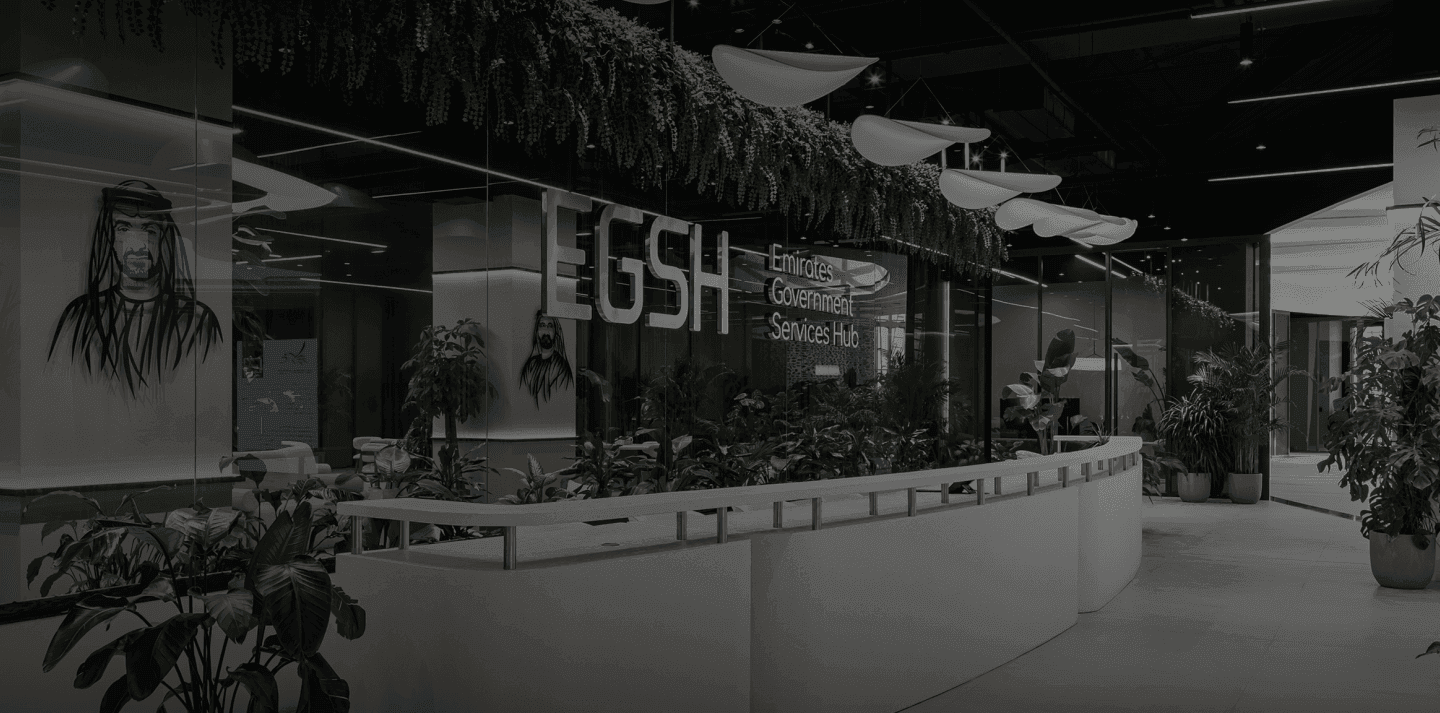
About EGSH
Why The Right Licence Type Matters In Dubai
Dubai’s Department of Economy and Tourism (DET, formerly DED) is the competent authority for issuing the main business licence types on the mainland: commercial, professional and industrial. These are all recognised “economic licences” in the wider UAE framework. Still, they apply to very different kinds of activity: trading in goods, providing services and running manufacturing or industrial operations.
Selecting the correct category at the outset is not just a formality. It determines which activities the DET will place on your licence, what kind of office, shop, warehouse or factory you must secure, which sectoral approvals (municipality, health, education, industry, environment) apply and how many employment visas your establishment can support consistently. This guide explains each licence type and compares them so you can frame your project correctly before you approach the DET or a government services centre.
Apply for a Business Licence in Dubai
Officially regulated fees
No hidden charges
Queue-free service
VIP support at no extra cost
0
starting from
How UAE Economic Licences Are Classified
Across the UAE, business activities are generally grouped into commercial, industrial and professional categories, but classifications are not fully uniform across emirates. The National Economic Register records licensed entities federally, yet individual authorities may use their own activity groupings and do not always refer to these categories as “economic licences.” In Dubai, DET follows this three-category structure when issuing mainland licences.
Regardless of type, the core requirements are similar: you must reserve and approve a trade name, choose defined activities from the official list, select a legal form (such as LLC, sole establishment or branch), and provide a local address that matches the activity (office, retail unit, warehouse or industrial facility). Once licensed, your entity is reflected in the federal registers and may also need registration with the Ministry of Economy or other regulators, depending on activity.
Federal guidance indicates that UAE nationals and foreign investors can own entities under all three licence categories. Current policy allows 100% foreign ownership for most activities in commercial, professional and industrial fields, subject to any strategic‑sector restrictions that may be in force at the time of licensing. Detailing whether a specific activity is open to full foreign ownership requires checking the latest official lists and DET’s current practice.

Get Business Set Up Services in Dubai Through EGSH
Authorised One-Stop Government Services Centre
- All government services in one place
- Completed in one visit
- VIP service without queues
- Regulated government fees

Commercial Licence In Dubai
A commercial licence in Dubai is the main category for businesses whose core activity is trading in goods or commodities. This covers physical retail and wholesale trading, as well as import-export and distribution activities that move products through the supply chain.
Activities And Typical Commercial Business Models
The primary focus of a commercial licence is buying and selling products, whether within the UAE or cross‑border. Activities typically include general trading, specific product trading and agency or brokerage related to the sale of goods. Many trading companies combine multiple product categories on a single licence, subject to DET activity rules.
Illustrative examples include trading in foodstuffs, building materials and hardware, electronics and mobile phones, garments and textiles, auto spare‑parts, and some forms of real‑estate brokerage and logistics or freight brokerage when the DET classifies them as commercial rather than transport operations. The precise scope is always defined by selecting activities from the official DET activity list rather than by informal descriptions.
Legal Forms, Premises And Main Approvals For Commercial Licences
Commercial licences in Dubai are commonly issued to limited liability companies (LLCs), one‑person LLCs, sole establishments and, in some mixed‑activity cases, civil companies. Branches of existing local, GCC or foreign companies also often use commercial licences when they are extending trading operations into the Dubai mainland.
Food and beverage businesses fall under commercial activities, making a restaurant licence in Dubai a mandatory requirement.
In terms of premises, a commercial licence typically requires a registered office or shop and, for wholesale or import–export operations, a warehouse in an area zoned by the Dubai Municipality for commercial or storage use. Regulatory focus for commercial activities includes trade control, consumer protection, clear display of the trade name and licence at the premises, and proper invoicing and advertising practices. Additional approvals can be required from the Dubai Municipality (for example, for food, cosmetics, detergents or building materials affecting health and safety), health authorities for medical products, and environment or Civil Defence bodies when hazardous materials are stored.

Visa And Ownership Profile For Commercial Licences
Commercial licences are frequently used by trading firms that employ sales, logistics and warehouse teams. As a result, they often support multiple employment visas, with indicative visa capacity linked to the size and type of office or warehouse and the nature of activities, within the framework of UAE labour and immigration rules rather than fixed numbers.
Professional advisory services require a valid consultancy licence in Dubai, which differs from commercial licensing.
Both UAE nationals and foreign investors can hold commercial licences. In line with federal policy, many trading activities permit 100% foreign ownership, but certain restricted or strategic commercial activities still require a local partner or service agent, depending on the regulations and activity lists in force at the time of application.


Why Choose EGSH for Government Services in Dubai

VIP Service
Personal assistance and priority processing with no queues.

Affordable Fees
Official government rates with transparent, fixed pricing.

All Services in One Place
Comprehensive range of UAE government services under one roof.

One-Visit Completion
Most procedures are completed in a single visit to the centre.
Professional Licence In Dubai
A professional licence is the Dubai mainland category for businesses whose main activity is providing services based on the skills, qualifications or expertise of individuals, rather than trading in goods or engaging in industrial production.
Activities And Professions Covered By A Professional Licence
Professional licences cover a broad range of consultancy and service activities where the core input is intellectual or specialist work. Typical examples include management and marketing consultancy; IT consultancy and software development; architecture, design and engineering services; accounting and auditing; and, where permitted, legal consultancy. Business setup advisory, translation services, training institutes, and some health‑care and educational services also fall under professional licensing when the relevant sector regulator agrees.
Whether an activity is treated as professional or not is determined by the DET’s official activity list and by the stance of sector regulators. For example, engineering activities may require classification with the competent engineering body, while medical, dental or paramedical services require licensing from the Dubai Health Authority or the federal Ministry of Health and Prevention (MOHAP), in addition to the underlying professional licence.
Legal Forms, Office Requirements And Approvals
Common legal forms for professional activities include sole establishments in the name of an individual professional, civil companies for multi‑partner practices, and one‑person LLCs. Branches of foreign professional firms are also possible, subject to meeting the DET and sector‑regulator requirements for that profession.
Professional entities typically operate from offices rather than shops or industrial facilities. Depending on the activity, a standard office or serviced business centre desk may be acceptable, although clinical, training or educational activities can involve more specific premises standards. Regulatory focus is on verifying qualifications and experience, ensuring that any required professional registrations (with engineering bodies, health authorities, education regulators or legal affairs departments) are in place, and managing professional liability and client protection where applicable.
Visa And Ownership Profile For Professional Licences
Professional licences are usually oriented towards white‑collar, skilled employees such as consultants, engineers, accountants, trainers or medical staff. As with other licences, the number and type of employment visas that can be sponsored are generally linked to office space and the nature of the activity, rather than being defined solely by the licence category.
Ownership options are broadly similar to other economic licences: UAE nationals and foreign investors can hold professional licences, and 100% foreign ownership is generally available for many professional service activities, provided that current federal and emirate‑level rules for any regulated profession are respected.

Visit EGSH for VIP Service Without Queues
You can stop by EGSH during working hours without an appointment or book your visit at a time that suits you best.
Address
Art of Living Mall, Al Barsha 2, Dubai
Operating hours
Monday–Thursday, Saturday: 9:00 am–5:00 pm
Friday: 9:00 am–12:00 pm, 2:00 pm–5:00 pm
Sunday: Closed

Industrial Licence In Dubai
An industrial licence is the category for businesses whose principal activity is manufacturing, processing, assembling, packaging, bottling or otherwise transforming raw materials or semi‑finished goods in an industrial setting.
Industrial Activities And Typical Facilities
Industrial licences apply where there is an organised industrial process, often using machinery and involving occupational and environmental risks that differ from ordinary office or retail activity. Examples include food and beverage manufacturing and bottling; textiles and garments factories; plastics and rubber product plants; metal fabrication and machining workshops; furniture manufacturing; printing presses when treated as industrial production; packaging and canning factories; and chemical blending or formulation plants.
These activities require appropriate facilities: industrial land, factory buildings or large warehouses in zones designated explicitly for industrial use. They generally cannot be carried out lawfully from a standard office or retail unit because of zoning, safety and environmental rules administered at the emirate and federal levels.
Legal Forms, Land And Approvals For Industrial Projects
In the Dubai mainland, industrial activities are commonly structured as LLCs, one‑person LLCs, industrial companies or branches of local or foreign industrial groups. The choice of legal form will depend on ownership structure, group strategy and any sector‑specific requirements.
Industrial projects require more extensive approvals than typical trading or consultancy operations. In addition to DET licensing, there is usually an industrial project approval process involving the competent economic authority and, at the federal level, the Ministry of Industry and Advanced Technology (MoIAT). The Dubai Municipality is engaged in master planning and building permits, while Dubai Civil Defence oversees fire and life‑safety compliance. Environmental authorities assess emissions, waste and pollution controls, and utilities providers review high‑load power and water requirements before connections are granted.
Workforce, Safety And Environmental Focus
Because factories and large workshops need supervisors, operators and support staff, industrial licences often support relatively higher numbers of employment visas, again within the framework of UAE labour regulations and linked to facility size and activity profile rather than an automatic quota.
Regulatory scrutiny is higher in terms of occupational health and safety, environmental protection and compliance with technical standards applicable to the manufactured products. Regular inspections and reporting obligations may apply, depending on the industry and the potential impact on workers, consumers and the environment.
Commercial vs Professional vs Industrial Licence: Key Differences
Although commercial, professional and industrial licences are all economic licences in the UAE system and all are issued in Dubai mainland by the DET, they serve distinct purposes. The key dimension is what generates your revenue: trading in goods, providing services, or manufacturing and processing.
Commercial licences authorise trade in goods and commodities, whether through retail, wholesale, import-export or distribution networks. Professional licences authorise non‑industrial services where the principal value is the provider’s expertise or qualifications. Industrial licences authorise industrial operations that transform materials and typically require factory‑type premises and dedicated safety measures. In borderline cases, such as a consultancy that also imports and sells equipment or a trader who performs light assembly, the DET’s activity classification determines whether you need one licence type or a combination.
How To Choose The Right Licence For Your Dubai Business
Aligning your project with the correct licence category is an important early decision. While the DET ultimately validates your activity list and licence type, you can significantly streamline the process by analysing your business model through the lens of the three categories.
Step‑By‑Step Decision Checklist
Start by identifying your primary revenue source. If your income mainly comes from buying and selling physical products, moving goods through supply chains or acting as an intermediary in product sales, you are generally in commercial licence territory. If your income is primarily from advisory work, design, IT development, training or other specialist services, a professional licence is more appropriate. If you are investing in machinery and facilities to transform materials, even on a modest scale, you will most likely require an industrial licence.
Next, consider what premises you genuinely need. A requirement for a shopfront or warehouse points towards a commercial licence, while a standard office or serviced desk usually aligns with a professional licence. The need for a factory plot, heavy equipment and industrial utilities firmly indicates an industrial licence. Then map out any sectoral regulators: for instance, health authorities for clinical services, the Ministry of Education or its local counterpart for training and educational institutions, the MoIAT and environmental regulators for factories. Finally, think about your workforce: a sales and logistics team, a consulting team, or a factory workforce, each reinforces the direction towards commercial, professional or industrial licensing, respectively.
When To Seek Professional Advice
Specific scenarios call for tailored guidance. These include mixed models (for example, a consultancy that also imports and resells equipment), businesses that plan to operate in several emirates, activities in tightly regulated sectors such as healthcare, education or legal services, and the establishment of branches of foreign companies that must align group policies with UAE regulatory expectations.

In such cases, consulting specialists at an official government services centre like EGSH can help you interpret the DET’s activity lists, understand which combination of licences or approvals may be required and ensure that registrations with the National Economic Register, the Ministry of Economy and other authorities are handled correctly. This support complements, rather than replaces, the DET’s own processes and decisions.
Commercial, professional and industrial licences are all standard economic licences within the UAE’s unified framework and on the Dubai mainland, all are issued by the DET under the same overarching administrative system. The essential distinction lies in the nature of your activity: trade in goods, provision of professional or intellectual services, or industrial manufacturing and processing.

FAQ
Which Licence Do I Need In Dubai: Commercial, Professional Or Industrial?
You should match the licence type to your main business activity. If your core business is buying and selling goods, including import-export and distribution, you generally need a commercial licence. If your income is primarily from services based on your skills or qualifications, such as consultancy, IT development, design or training, a professional licence is usually appropriate. If you are running a factory or industrial process that transforms materials, you typically require an industrial licence. The DET will confirm the final categorisation when it reviews your chosen activities from the official list.
What Are The Premises Requirements For A Commercial Licence In Dubai?
A commercial licence typically requires a registered office or retail outlet and, for wholesale and import-export operations, a warehouse in areas that the Dubai Municipality has zoned for commercial or storage use. Virtual addresses alone are not sufficient for trading activities. The exact type and size of premises must be consistent with the activities on your licence. They may influence your ability to obtain additional approvals for certain products and the number of visas that can be associated with your establishment.
What Are The Premises Requirements For An Industrial Licence In Dubai?
Industrial licences require facilities located in zones designated for industrial use, such as factory plots or large warehouses suitable for manufacturing, processing or assembly. You must generally secure land or a unit in an industrial area, obtain planning and building approvals from Dubai Municipality, meet Dubai Civil Defence fire‑safety standards and comply with environmental and utilities requirements. Industrial activities cannot usually be carried out from standard office premises because of zoning, safety and environmental regulations.
Can Foreign Investors Own 100 Percent Of A Commercial, Professional Or Industrial Licence In Dubai?
Federal policy allows 100% foreign ownership for most activities across commercial, professional and industrial licence categories, subject to any strategic‑sector restrictions that may apply. However, some activities can still have specific ownership or structuring conditions. It is therefore essential to verify the current position for your particular activity and to confirm with the DET or a qualified advisor whether full foreign ownership is available at the time you apply.
How Do Visa Eligibility Rules Differ Between Commercial, Professional And Industrial Licences In Dubai?
Visa eligibility is influenced more by activity type, premises and labour‑market rules than by the licence label alone. Commercial licences often support multiple visas for sales, logistics and warehouse staff, reflecting the operational needs of trading businesses. Professional licences tend to be associated with smaller teams of skilled, white‑collar employees, such as consultants or engineers, with quotas linked primarily to office space. Industrial licences, given their factory or plant operations, can support larger operational workforces, subject to facility size, safety compliance and labour regulations. For current rules, businesses should refer to official immigration and labour portals.
What Additional Approvals Are Required For An Industrial Licence In Dubai?
Beyond the DET’s economic licence, industrial projects typically require industrial project approval, building permits from Dubai Municipality, fire and life‑safety approval from Dubai Civil Defence, environmental clearances for emissions and waste, and utilities approvals for above-average power and water consumption. At the federal level, the MoIAT has a key role in regulating industrial activities. The exact approvals depend on the nature of your manufacturing process and the type of products you produce, so early engagement with the relevant authorities is essential.

Explained by
Omar Abdulaziz Ali Al Qassim
Government Services Center Manager / Legal Consultant
Omar Abdulaziz Ali Al Qassim is a Government Services Center Manager and Legal Consultant with 8 years of experience. He specialises in real estate, licensing, residency, labour, and Ejari services, ensuring accurate and compliant processing across DLD, MOHRE, GDRFA, and DET systems.



