


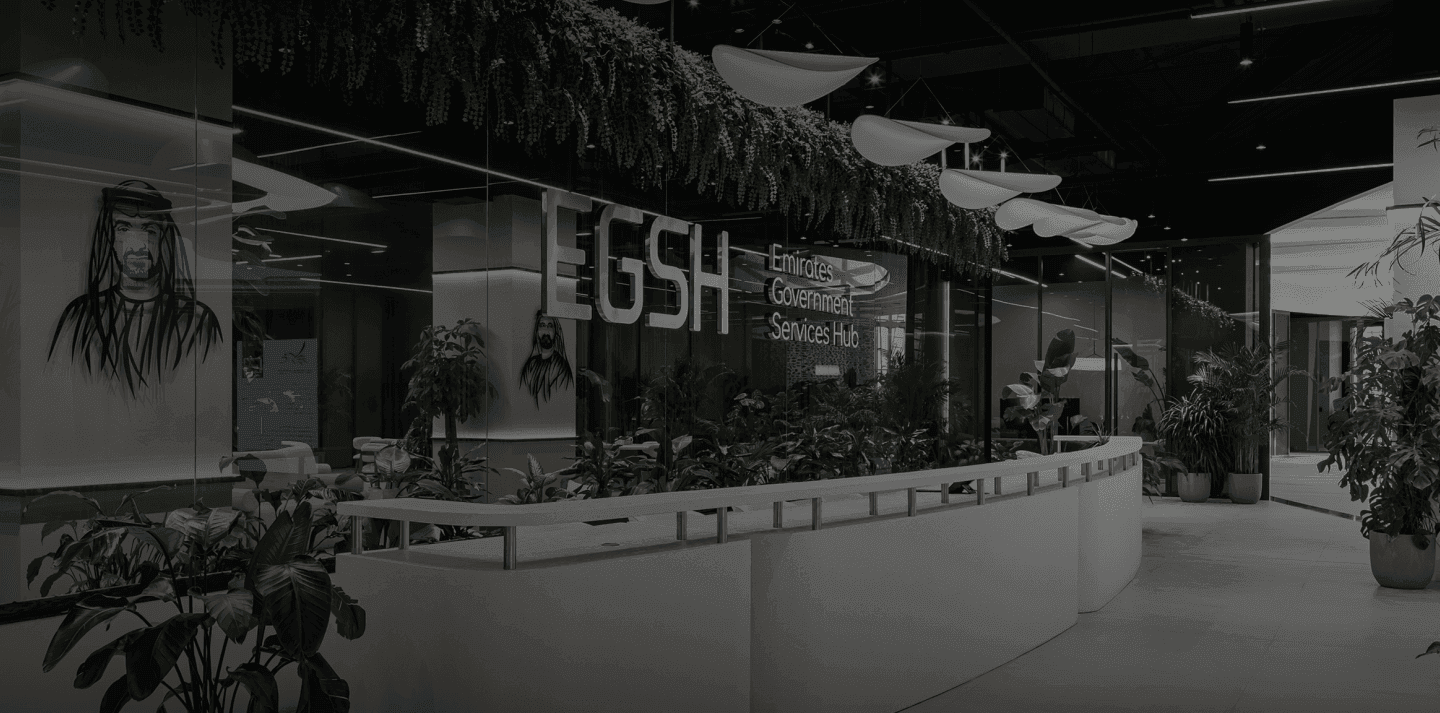
About EGSH
Why Ejari Blocks DEWA Move-In and Family Visa Processing in Dubai
Tenants and residents increasingly discover Ejari problems only when DEWA (Dubai Electricity and Water Authority) or GDRFA (General Directorate of Residency and Foreigners Affairs) reject an application, leaving them without utilities or with an expiring family visa.
This article is written for Dubai tenants, family sponsors, HR teams and property managers who need to understand why systems are blocking their requests and how to correct the underlying issues. EGSH, as a licensed government services centre, helps clients prepare compliant applications and coordinate with relevant authorities to ensure these procedures are completed correctly.
Below is a structured explanation of the most common Ejari mistakes that block DEWA Move‑in, sponsor file registration, and family residency visas. Each point is linked to published rules from DEWA, Dubai Land Department (DLD), GDRFA Dubai, and the UAE government portal, along with practical steps to avoid problems and keep your Ejari, DEWA, and visa timelines aligned.
Register Your Ejari in Dubai
Officially regulated fees
No hidden charges
Queue-free service
VIP support at no extra cost
From AED 220
Why Ejari Is Critical for DEWA and Family Visas
Ejari is more than just a tenancy registration. It is a key data source used by DEWA and GDRFA to confirm a tenant’s residential status in Dubai. A valid, attested Ejari contract is needed to start DEWA’s Move-in process and to access many immigration services.
Ejari attestation enables system integration between DLD and DEWA. However, electricity and water services are not automatically activated with attestation alone. For utility activation, the DEWA Move-in request must be completed. This includes confirming move-in details and paying the security deposit. DEWA activates services only after these steps are done.
If an Ejari number is missing, invalid, or not attested, DEWA’s system will block the Move-in process. Utility activation cannot proceed until the Ejari record is properly registered and verified. There is no bypass mechanism through alternative documentation.
For immigration purposes, GDRFA Dubai and the federal government require an attested tenancy contract. This is often needed together with recent electricity and water bills. These documents apply to procedures such as family entry permits, residence visa renewals, and sponsor file registrations.

Get DLD Services in Dubai Through EGSH
Authorised One-Stop Government Services Centre
- All government services in one place
- Completed in one visit
- VIP service without queues
- Regulated government fees

Ejari Mistakes That Block DEWA Move‑In
For tenants, DEWA does not accept Move‑in activation without a valid Ejari tenancy contract in Dubai that is recognised in the DLD system. Some Ejari mistakes stop DEWA’s automation entirely; others prevent you from paying the security deposit or meeting DEWA’s minimum validity rules.
Mistake 1: No Ejari or Non‑Attested Tenancy Contract
Tenants are required to obtain a valid Ejari tenancy contract; applications without Ejari are simply not accepted. If you only have a signed tenancy agreement on paper, without Ejari registration, DEWA’s system treats the premises as not ready for tenant Move‑in, so electricity and water activation cannot proceed.
Ejari attestation is a required precondition for DEWA services, but it does not, by itself, activate electricity or water. Utility activation also requires completing the DEWA Move-In process, including payment of the deposit and confirmation through DEWA’s systems. Where a tenancy contract is not attested, or the move-in steps are incomplete, DEWA’s integration will not trigger service activation, and the move-in request will remain on hold until all required steps are completed.

Mistake 2: Ejari Validity Less Than One Month
DEWA’s customer guide sets a specific validity rule: for Move‑in, the tenancy contract used (Ejari) must have at least one month of validity remaining. If your tenancy is close to expiry and the remaining validity is less than one month, the DEWA connection requirement is not met, and the Move‑in request can be rejected or delayed until renewal.
This rule often affects tenants who renew their rental late or try to transfer DEWA shortly before the lease end date. Even if Ejari is attested, DEWA issues arise when the remaining lease term falls below the one‑month threshold. To avoid Ejari issues that DEWA activation can trigger, ensure the new contract is registered in Ejari and has sufficient validity before submitting Move‑in or change‑of‑tenant requests.
Mistake 3: Previous Ejari Not Cancelled or Management Contract Not Approved
The Ejari system records one active tenancy per unit at a time. DLD clarifies that if the outgoing tenant’s Ejari (and associated DEWA final invoice) is not cancelled, a new tenant’s account will not be created, and the new tenant will not be able to register a fresh Ejari. Because DEWA relies on Ejari data, this block prevents DEWA from creating a new account for that unit through its integration.

DLD also states that a management contract for the property must be activated before a tenancy contract is created in Ejari. If the management contract is not approved, property managers cannot register new tenancies in Ejari, which in turn blocks both DEWA Move‑in and any later visa processes that depend on an attested tenancy contract Dubai has on file. Tenants facing this situation typically need the landlord or management company to resolve the back‑end DLD issue before any DEWA or visa request can move forward.
Mistake 4: Incorrect Contact Details or Unit Type in Ejari
When Ejari is issued correctly, DEWA automatically creates a Move‑in account and sends a welcome email or SMS containing the account number and a link to pay the security deposit. DEWA explains that if the property management company enters an incorrect email address during Ejari issuance, the tenant may never receive this message and cannot complete the security deposit payment, delaying activation even though Ejari is valid. A correct mobile number and email address are therefore critical to avoid silent delays.
The DLD confirms that residential units cannot be used for commercial activities. Registering a commercial lease for such a unit breaches Ejari rules and may result in the contract being rejected or corrected. Until the unit type and tenancy purpose align in the system, DEWA may not treat the tenancy as standard residential, and both the landlord and the tenant may face additional clearance steps.


Why Choose EGSH for Government Services in Dubai

VIP Service
Personal assistance and priority processing with no queues.

Affordable Fees
Official government rates with transparent, fixed pricing.

All Services in One Place
Comprehensive range of UAE government services under one roof.

One-Visit Completion
Most procedures are completed in a single visit to the centre.
Ejari Problems That Delay Visas and Sponsor Files
Many residents first encounter Ejari problems when the Dubai authorities only care about it at the visa stage, when the GDRFA rejects family sponsorship, renewal or sponsor file applications. Both the GDRFA and the UAE government portal list a registered tenancy contract (Ejari) and the latest DEWA bill as mandatory documents that UAE authorities can verify. If the Ejari contract is not properly registered or attested, or if there is no recent DEWA bill, these services cannot be finalised.
Mistake 5: Missing Registered Ejari or Latest DEWA Bill
The UAE’s official portal specifies that expatriate residents sponsoring their wives and children must submit a registered tenancy contract and the latest utility bill. GDRFA Dubai’s service cards for individual residence entry permits repeat the same requirement: an attested tenancy contract and the latest electricity and water bill must be attached to the application.
If you submit a family sponsorship request without a registered tenancy (Ejari) or the latest DEWA bill, your file will not meet the official document checklist. GDRFA can place such applications on hold or reject them until a valid Ejari for a family visa recognised by Dubai authorities and a current DEWA bill are provided, even if salary and other immigration criteria are fully met.

Mistake 6: Contract Not Attested or With Less Than 60 Days’ Validity
For dependent residence renewal and individual residence stamping, GDRFA’s requirements specify an attested tenancy contract with a minimum validity of 60 days, plus the latest electricity and water bills. Providing a non‑attested contract, or a contract that is due to expire in fewer than 60 days, does not meet GDRFA’s Ejari requirements.
This rule is critical for timing: even if your Ejari is valid for DEWA purposes, it may still be too short for GDRFA. A tenant can therefore have active utilities but still face a visa renewal refusal if the tenancy contract's validity for visa renewal exceeds the 60‑day minimum. Submitting the latest DEWA bill is equally necessary; older or missing bills break the documented chain between housing and residency that GDRFA expects.

Mistake 7: Using a Passport Instead of an Emirates ID or Exceeding Contract Limits
In ordinary cases, contracts cannot be registered in Ejari using only a passport; a UAE Emirates ID is required, apart from special entities such as embassies and consulates. Trying to register Ejari on a passport alone is therefore one of the classic Ejari mistakes visa applicants make, because the tenancy never becomes an official, attestable record that GDRFA can rely on.
The DLD also notes that the Ejari system currently allows a maximum of 3 residential tenancy contracts under a single person’s name. Once this maximum number of Ejari contracts per person is reached, the system will not permit additional residential Ejari registrations. This can affect sponsors holding multiple rental units, who may then be unable to create a new compliant tenancy to support another family sponsorship or a DEWA Move‑in request.

Mistake 8: Fake Ejari Contracts or Unlicensed Companies
Customers who use forged or temporary “Ejari” contracts to obtain services from other government entities are submitting false and incorrect documents and will be legally prosecuted. Government entities are linked electronically; as a result, these forged contracts typically fail automated checks and block services such as DEWA Move‑in, sponsor file registration, tenancy contract approval and dependent visas.
To combat such practices, DLD uses artificial intelligence to verify Ejari contracts and to detect fake companies and illegal lease transactions. Tenancies issued through undocumented or unlicensed companies are at high risk of rejection once scanned by these systems. Relying on such contracts is one of the most serious Ejari mistakes visa applicants can make, as it can trigger an investigation rather than just a simple rejection.

Visit EGSH for VIP Service Without Queues
You can stop by EGSH during working hours without an appointment or book your visit at a time that suits you best.
Address
Art of Living Mall, Al Barsha 2, Dubai
Operating hours
Monday–Thursday, Saturday: 9:00 am–5:00 pm
Friday: 9:00 am–12:00 pm, 2:00 pm–5:00 pm
Sunday: Closed

Practical Steps to Keep Your Ejari, DEWA and Visa Aligned
Aligning DEWA and GDRFA requirements mainly involves checking timing, validity and basic data before you apply. The following practices significantly reduce Ejari problems that Dubai systems typically flag:
- Use your correct Emirates ID details in all tenancy documents and insist that the property manager copies them accurately when registering Ejari, rather than relying on a passport.
- Confirm with the landlord or management company that their management contract with DLD is activated and that any previous tenant’s Ejari has been properly cancelled, including the DEWA final bill, before initiating your own Ejari.
- Check your Ejari expiry date against both DEWA’s requirement of at least one month validity for Move‑in and GDRFA’s requirement of at least 60 days validity for renewals; renew the tenancy in time so neither threshold is breached.
- Verify that your mobile number and email address are correct in the Ejari record so DEWA’s automatic welcome message and security deposit link will reach you without manual follow‑up.

- Keep a copy of your attested Ejari and the latest DEWA bill ready whenever you plan to submit applications related to family sponsorship, residence renewal or sponsor file registration, and update them before submission if they are out of date.
Most Ejari mistakes that block DEWA and visa services fall into a few categories: missing or non‑attested contracts, insufficient remaining validity, incorrect personal or contact data, exceeding system limits, or using non‑compliant or forged contracts. Because DEWA's automatic Move‑in with Ejari and GDRFA’s visa systems are tightly integrated with DLD, any of these issues will be detected quickly.
Before every DEWA, sponsor file or residency application, review your Ejari, DEWA bill and Emirates ID data against the official checklists and validity thresholds. Addressing discrepancies in advance, preferably with support from an experienced services centre such as EGSH, keeps your utilities and residency processes aligned and reduces the risk of last‑minute blocks.

FAQ
What are the most common Ejari mistakes that block DEWA activation?
The most frequent Ejari mistakes DEWA systems flag are missing Ejari registration, non‑attested contracts, Ejari validity of less than one month, and incorrect email or mobile details, preventing receipt of the security deposit link. Back‑end DLD issues, such as a previous tenant’s Ejari not being cancelled or an inactive management contract, also stop DEWA Move‑in Ejari processing and prevent the creation of a new account.
Can I activate DEWA without an Ejari attestation in Dubai?
For tenants, DEWA requires a valid, attested Ejari tenancy contract; online applications also require entering a valid Ejari number. DEWA’s integration with Ejari means electricity and water services are activated only after the contract is attested, so attempts to activate DEWA services without an Ejari attestation will not meet the published requirements.
Why was my Ejari rejected when I used only my passport?
Dubai Land Department states that, in normal cases, contracts cannot be registered in Ejari using a passport; a UAE national identity card (Emirates ID) is required. Only certain entities, such as embassies and consulates, are exempt from this rule, so residents attempting to register with only passport details will have their Ejari applications rejected and will need to provide a valid Emirates ID.
How many Ejari contracts can I have in my name in Dubai?
The Ejari system currently allows a maximum of three residential tenancy contracts under a single person’s name. Once this limit is reached, attempts to register additional residential contracts will be refused, which can indirectly affect both DEWA activation for new units and the ability to show a qualifying tenancy for family sponsorship.
Does my Ejari need to be valid for 60 days for visa renewal in Dubai?
GDRFA’s rules for dependent residence renewal and residence stamping require an attested tenancy contract with at least 60 days of remaining validity, plus the latest electricity and water bill. If your Ejari will expire in fewer than 60 days at the time of submission, or is not properly attested, the renewal application does not meet GDRFA’s Ejari requirements and is likely to be placed on hold or rejected.
Why did GDRFA reject my visa application without a DEWA bill?
Both GDRFA and the UAE government portal list the latest utility bill, typically the most recent DEWA statement, as a mandatory document alongside the registered tenancy contract recognised by the UAE authorities. Submitting a sponsorship or renewal application without this latest bill breaks the proof of current residence, so the application is not considered complete and cannot be approved until a valid bill is attached.
How can I fix Ejari issues before applying for DEWA Move‑in or a family visa?
Start by confirming that your tenancy has been registered and attested in Ejari using your Emirates ID, with correct contact details and at least one month’s validity for DEWA and 60 days for visa renewals. Ask the landlord or property manager to cancel any previous tenant’s Ejari and ensure their management contract is active, then obtain a current DEWA bill once utilities are in your name. EGSH can help review these points and submit updated applications to DEWA, DLD or GDRFA as required.

Explained by
Omar Abdulaziz Ali Al Qassim
Government Services Center Manager / Legal Consultant
Omar Abdulaziz Ali Al Qassim is a Government Services Center Manager and Legal Consultant with 8 years of experience. He specialises in real estate, licensing, residency, labour, and Ejari services, ensuring accurate and compliant processing across DLD, MOHRE, GDRFA, and DET systems.
This article is intended to provide general information based on official UAE sources, and does not constitute personalised legal advice. Before acting, applicants should verify the current rules and fees directly with the relevant authority or an authorised service centre.



