


Dubai South is a master‑planned city and economic free zone built around Al Maktoum International Airport (Dubai World Central), with aviation and logistics as its core industries. Around 4,800 companies already operate there, benefiting from dedicated aviation and logistics districts, proximity to airport infrastructure and Dubai’s wider transport network. For airlines, MROs, parts traders, cargo operators, training providers and FBOs, it is one of the main locations in Dubai designed specifically with aviation operations in mind.
This guide explains how the Dubai South free zone company setup works in practice for aviation businesses. It covers the role of the Aviation District, available legal forms and licensing, aviation regulator touchpoints, step‑by‑step incorporation, corporate tax and customs treatment, property and facilities options, visas for staff and interaction with the UAE mainland and other aviation free zones.

Dubai South And Al Maktoum International Airport: An Overview
The Government of Dubai has developed Dubai South as an integrated aviation and logistics hub. It combines a free zone platform with distinct districts – including the Aviation District, Logistics District, Business Park, Commercial District, Residential District and an exhibition and events area—in order to host industrial and service activities. According to the Dubai Land Department’s information, about 4,800 companies currently operate in Dubai South, reflecting its growing role in the emirate’s economic landscape.
At the heart of Dubai South lies Al Maktoum International Airport (Dubai World Central). The airport is operational and undergoing a long‑term expansion programme intended to create one of the world’s most extensive commercial aviation facilities. The planned capacity after expansion is approximately 220 million passengers and 16 million tonnes of cargo per year, which is highly relevant for airlines, cargo operators and Maintenance, Repair and Overhaul (MROs) planning future capacity.

Dubai South is located roughly 35 minutes by road from Dubai International Airport (DXB) and around 30 minutes from Downtown Dubai. It is connected to the rest of the emirate by major routes such as Sheikh Mohammed bin Zayed Road (E311) and Emirates Road (E611), with links to Sheikh Zayed Road (E11). For aviation companies, this means that airport‑based operations can be integrated with city‑centre activities, staff commuting and client access with relative ease.
Why Aviation Businesses Choose Dubai South Free Zone
Dubai South Free Zone has been structured as an economic platform able to support a wide range of business and industrial activities, with aviation and logistics as priority sectors. The dedicated Aviation District is specifically designed to host maintenance, repair and overhaul (MRO) providers, fixed‑base operators (FBOs), flight training organisations, aviation education, research and development entities and light aviation manufacturing. This clustering of complementary activities is attractive for investors seeking ecosystem synergies rather than a standalone facility.

A key operational advantage is the proximity of aviation businesses to both airside and landside infrastructure at Al Maktoum International Airport. Companies based in the Aviation District can position themselves near runways, taxiways, cargo terminals and passenger facilities, enabling integrated aircraft operations, cargo handling and technical services. This is particularly relevant for operators that require hangar access, fast turnarounds or co‑location with logistics partners.
As a Dubai free zone, Dubai South typically offers the general benefits associated with free zones in the UAE. These commonly include 100% foreign ownership (subject to the zone’s own regulations), full repatriation of capital and profits, and customs advantages on goods imported into and exported from the free zone. Customs duties are usually only triggered when goods, such as aircraft spare parts, are transferred from the free zone into the UAE mainland customs territory. For many aviation businesses, this structure can simplify cross‑border parts flows and regional distribution.

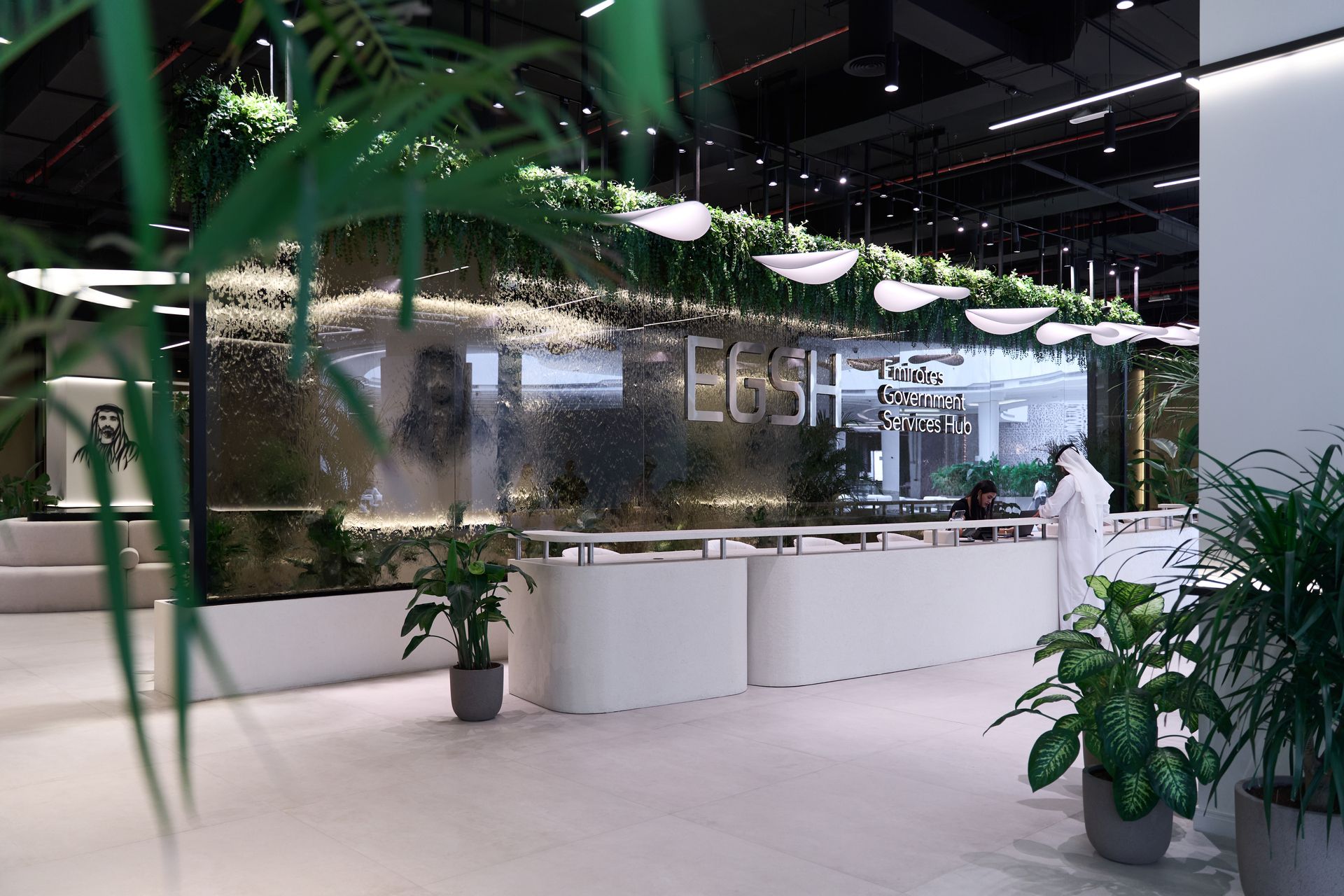
Get Business Set Up Services in Dubai Through EGSH
Authorised One-Stop Government Services Centre
- All government services in one place
- Completed in one visit
- VIP service without queues
- Regulated government fees

Legal Forms And Licensing For Aviation Companies In Dubai South
Dubai South aviation free zone companies must consider their legal structure and licensing strategy from the outset. The free zone authority functions as the licensing body for entities within its jurisdiction, in a similar way to other aviation‑oriented free zones in Dubai.
Typical Free Zone Company Structures
Across Dubai’s aviation-oriented free zones, the common legal forms are free zone limited liability companies (FZCO / FZ-LLC) and branches of foreign companies.
DAFZA’s implementing regulations — published on the UAE Government Portal — define the company types permitted within DAFZA, including Free Zone Companies, Public Limited Companies and branches of foreign firms, and they classify a single-shareholder Free Zone Establishment as a form of FZCO. These rules apply to DAFZA only.
Dubai South has its own company structures and incorporation rules, set by its free zone authority.
Trade Licences And Aviation Business Activities
An aviation company set up in Dubai South generally requires a free zone trade licence listing its authorised activities. For aviation businesses, these may include: aircraft maintenance and repair, aircraft parts and components trading, cargo and ground handling support services, aviation consultancy, flight training, aviation education or other technical and support services. The permitted activity descriptions must align with the free zone’s internal activity list.
When scoping the business, investors should map their intended operations (for example, base maintenance plus parts trading, or simulator training plus consultancy) to the available activities. Online portals such as “Invest in Dubai” allow users to explore business activities, view possible legal forms and see indicative licence packages, which helps to verify whether Dubai South’s activity framework matches the proposed business model.

Aviation Regulators And Airport Operator Approvals
Beyond the free zone trade licence, many aviation operations in Dubai South will trigger aviation‑specific regulatory requirements. Companies involved in aircraft operations, safety oversight, flight training or specified maintenance functions may require approvals from the UAE General Civil Aviation Authority (GCAA) at the federal level, and from Dubai Civil Aviation Authority (DCAA) at the emirate level. DCAA, headquartered at Dubai International Airport Terminal 1, is responsible for civil aviation matters in Dubai.
Dubai Airports is the operator of both Dubai International Airport (DXB) and Al Maktoum International Airport (DWC). Aviation businesses that intend to base aircraft at DWC, run an FBO or conduct regular airside activity must coordinate with Dubai Airports and relevant airport departments regarding airport access, operating permits, slot allocations and ground handling arrangements. Effective planning requires a three‑way view: free zone licensing, aviation safety approvals (GCAA/DCAA) and airport‑level permissions from Dubai Airports.

Why Choose EGSH for Government Services in Dubai

VIP Service
Personal assistance and priority processing with no queues.

Affordable Fees
Official government rates with transparent, fixed pricing.

All Services in One Place
Comprehensive range of UAE government services under one roof.

One-Visit Completion
Most procedures are completed in a single visit to the centre.
Step‑By‑Step: Setting Up An Aviation Company In Dubai South Free Zone
A structured approach to Dubai South free zone company setup reduces the risk of regulatory gaps, especially in an aviation context. The following high‑level steps reflect how investors usually proceed, aligning with the tools and processes highlighted on official UAE portals.
Define Scope, Free Zone And Legal Form
The starting point is to define precisely what the aviation business will do in Dubai. Investors should compare Dubai South Free Zone with other aviation platforms such as Dubai Airport Freezone (DAFZA) adjacent to DXB, considering route networks, cargo preferences, client locations and training needs. For example, a wide‑body MRO serving long‑haul carriers may prioritise the DWC’s planned expansion, while a narrow‑body line‑maintenance provider might prefer proximity to DXB.
Once Dubai South is chosen, the next decision is legal form. Establishing a new free zone limited liability company (FZCO / FZ‑LLC) can be suitable where local balance sheet separation is desired. Registering a branch of a foreign aviation company may be appropriate where the overseas parent wishes to retain direct ownership of assets and liabilities, with Dubai South acting as a regional operating base.

Select Activities And Reserve A Trade Name
The second stage is to define and confirm the aviation‑related activities. These could include MRO, parts warehousing and distribution, cargo handling supervision, aviation consultancy, simulator‑based training or flight operations support. Each activity must fall within the categories available in the free zone’s schedule of activities. If multiple lines of business are envisaged, investors should ensure that all material activities are captured in the licence.
Through the “Invest in Dubai” online portal, prospective investors can check business name availability, explore the catalogue of activities, review available legal forms and view standard licence packages. The portal also enables users to start the setup process directly, including reserving a trade name and initiating a new licence application via a step‑by‑step guide. This digital route can simplify early planning, even where the final incorporation is completed via Dubai South’s own channels.

Prepare Documents, Lease Facilities And Complete Incorporation
Company formation in a Dubai aviation free zone generally requires submission of incorporation and shareholder documents, constitutional documents and identification for owners and authorised signatories. The Dubai Land Department’s requirements for registering companies as property owners (trade licence or incorporation certificate, constitutional documents and ID documents) provide a valuable indication of the documentation level typically expected by Dubai authorities.
Aviation companies in Dubai South can lease offices, warehouses, industrial units and, where available, hangars or airside plots under long‑term lease arrangements rather than purchasing freehold land. Selecting the right facility type early is important because many free zone authorities require a signed lease as part of the licensing file. Standard steps include submitting the application and corporate documents, agreeing and signing the lease, paying registration and licence fees, and then receiving the trade licence and corporate establishment documents.

Immigration Setup And Residence Visas
After incorporation, the new Dubai South aviation company must obtain an establishment card to interact with immigration authorities. This card enables the company to sponsor residence visas for shareholders, managers and employees via the free zone’s immigration services. Without it, the company cannot legally employ foreign personnel.
Foreign aviation professionals working for a Dubai South free zone aviation company need valid UAE residence visas and Emirates ID cards sponsored by their employer to live and work in the UAE. Workforce planning should factor in the number and type of visas likely to be required (for example, licensed engineers, pilots, instructors and administrative staff), ensuring these are aligned with the company’s licence activities and any qualification or approval requirements imposed by the GCAA or DCAA for regulated roles.

Visit EGSH for VIP Service Without Queues
You can stop by EGSH during working hours without an appointment or book your visit at a time that suits you best.
Address
Art of Living Mall, Al Barsha 2, Dubai
Operating hours
Monday–Thursday, Saturday: 9:00 am–3:00 pm
Friday: 9:00 am–12:30 pm
Sunday: Closed

Regulatory Compliance: Corporate Tax, Customs And Labour
From a tax perspective, the UAE corporate tax regime applies to all businesses and individuals conducting business activities under a commercial licence in the UAE, including those in free zones. Free zone businesses can continue to benefit from existing corporate tax incentives if they qualify as “free zone persons”, meet substance and other regulatory requirements, and do not conduct disqualifying activities, such as regular unstructured business with the UAE mainland.
Free zone aviation companies need to assess carefully whether their income qualifies for a 0% corporate tax rate and monitor any dealings with mainland clients. Where a Dubai South free zone aviation company conducts trade or business regularly with the UAE mainland, standard UAE corporate tax rates may apply to the relevant mainland‑sourced income. Proper accounting records and, where required, audited financial statements are essential to evidence compliance, especially in relation to qualifying and non‑qualifying income streams.
On the customs side, free zone regimes in the UAE typically exempt imports and exports of goods into and out of the free zone from customs duties. However, when goods – such as aircraft spare parts or tooling – are transferred from the free zone into the UAE mainland customs territory, customs duties may become payable. Aviation companies using Dubai South as a regional distribution hub need to factor this into their logistics and pricing models.
Employment relationships in Dubai South are governed by UAE labour laws together with free zone regulations. These cover matters such as employment contracts, working hours, end‑of‑service benefits and occupational health and safety. Aviation businesses that handle fuel, hazardous materials or specialised maintenance processes must also comply with Dubai Civil Defence safety requirements and secure any necessary fire and safety approvals for their facilities.

Real Estate And Facilities For Aviation Companies In Dubai South
Choosing a facility is a major operational decision for any DWC aviation business setup. Within the Dubai South Free Zone, companies can lease standard offices for administrative functions, warehouses and industrial units for parts storage or workshops, and, where available, hangars or airside plots directly linked to Al Maktoum International Airport’s infrastructure. Long‑term leases are the norm, rather than freehold land ownership.
Some aviation investors may also wish to own real estate in Dubai, such as office premises or accommodation blocks outside their free zone plot. In such cases, the company must register with the Dubai Land Department (DLD) to obtain a reference number for property transactions, using the “request to register companies” eService. The DLD requires foreign and GCC companies to submit their trade licence or incorporation documents, constitutional documents and identification for owners and authorised signatories. Foreign companies must be registered in a free zone in Dubai or Ras Al Khaimah to be eligible to register as property owners.
A simple comparison is set out below:
| Aspect | Leasing In Dubai South Free Zone | Owning Property In Dubai (via DLD) |
|---|---|---|
| Typical asset | Office, warehouse, industrial unit, hangar, airside plot | Office, commercial unit or other permitted property outside the free zone plot |
| Tenure | Leasehold under free zone terms | Ownership registered with the Dubai Land Department |
| Key authority | Dubai South Free Zone Authority | Dubai Land Department |
| Documentation focus | Trade licence, lease agreement, corporate documents | DLD company registration, trade licence/incorporation papers, constitutional documents, IDs |
Visas And Workforce Planning For Aviation Businesses
Visa strategy is central to Dubai South's aviation business setup, given the reliance on international expertise. The UAE issues various types of entry permits and visas, and generally requires that passports be valid for at least six months at the time of entry. Certain nationalities may obtain a visa on arrival for specified durations, while others need pre‑arranged entry permits.
In addition to standard residence visas sponsored by employers, skilled aviation professionals can use UAE job‑seeker visit visas of 60, 90 or 120 days to enter the country to search for employment before securing a company visa. This can be useful for MROs or training organisations planning recruitment waves ahead of operational launch. When building project timelines, aviation investors should allow for visa processing, medical and Emirates ID issuance, especially for licensed or safety-critical roles that may also require GCAA or DCAA approvals.

Working With UAE Mainland Clients And Other Aviation Free Zones
Many Dubai South aviation companies will wish to interact with UAE mainland clients, including government entities, airlines or corporates based onshore. Free zone aviation companies that intend to conduct regular business with the mainland may need additional arrangements, such as establishing a mainland branch or using other licensed structures, depending on the regulatory framework at the time. They should also be aware that, under the UAE corporate tax regime, regular mainland‑sourced income may be subject to standard corporate tax rates rather than the 0% free zone incentive.
Aviation investors can also choose between multiple aviation‑oriented free zones in Dubai. The UAE Government Portal notes options such as Dubai South Free Zone around Al Maktoum International Airport and Dubai Airport Freezone (DAFZA) adjacent to DXB. The optimal choice depends on factors such as target routes, customer base, cargo versus passenger focus and the need for integration with specific airport facilities.
Governance, Accounting And Ongoing Compliance Checklist
Once established, a Dubai South aviation free zone company must maintain robust governance and compliance. Companies are required to keep proper accounting records and financial statements and, where applicable under corporate tax or free zone rules, to prepare audited financial statements. These records support compliance with corporate tax, show whether the entity qualifies as a free zone person for tax purposes, and help demonstrate economic substance in the UAE.
Regulatory compliance should be reviewed periodically. Aviation businesses should track their continued alignment with GCAA and DCAA technical standards, any updates in airport operating procedures issued by Dubai Airports, and Dubai Civil Defence requirements for facilities handling hazardous materials or fuel. Licence scopes, reporting obligations and renewal deadlines set by the free zone authority should also be monitored to avoid inadvertent non‑compliance.

A practical ongoing checklist for a Dubai South aviation business includes:
- Valid free zone trade licence covering current aviation activities
- Up‑to‑date GCAA/DCAA approvals and airport permissions where required
- Corporate tax registration, assessment of free zone person status and proper
accounting segregation of mainland‑sourced income (if any)
- Compliance with UAE labour law, internal HR policies and occupational health and safety rules
- Current facility leases and, where relevant, Dubai Land Department registration for owned property
- Accurate, timely visa and immigration management for all foreign staff.

10. Conclusion: Key Considerations For Aviation Investors In Dubai South
For aviation investors, Dubai South combines a dedicated Aviation District, logistics ecosystem and direct connection to Al Maktoum International Airport, whose planned expansion envisages very high passenger and cargo capacity. The free zone model offers 100% foreign ownership, profit repatriation and customs advantages, while the airport’s location and infrastructure allow integrated passenger, cargo and maintenance operations in a purpose‑built environment.
A successful Dubai South aviation business setup, however, depends on careful coordination with multiple authorities. Investors must align free zone licensing with aviation approvals from the GCAA and DCAA, operational permissions from Dubai Airports, corporate tax and customs obligations at the federal level, and any property registration requirements with the Dubai Land Department.

FAQ: Dubai South Aviation Free Zone Company Setup
How To Set Up An Aviation Company In Dubai South Free Zone?
To set up an aviation company in the Dubai South Free Zone, define your aviation business model, compare Dubai South with other aviation free zones such as DAFZA, and choose an appropriate legal form (FZCO/FZ‑LLC or branch). Then select aviation‑related activities aligned with the free zone’s list, reserve a trade name (for example, via the Invest in Dubai portal), prepare incorporation and shareholder documents, and secure a facility lease in Dubai South. Once your application is approved and the trade licence issued, obtain an establishment card and begin sponsoring residence visas for staff.
What Are The Licensing Requirements For Aviation Businesses In Dubai South?
A Dubai South free zone aviation licence must list all intended aviation activities, such as aircraft maintenance, parts trading, ground handling support, aviation training or consultancy. In addition to the free zone trade licence, activities that involve aircraft operations, safety oversight or aviation training may require approvals from the UAE General Civil Aviation Authority and Dubai Civil Aviation Authority. Businesses basing aircraft or facilities at Al Maktoum International Airport must also comply with requirements set by Dubai Airports as the airport operator.
What Approvals Do Aviation Companies In Dubai South Need From GCAA And DCAA?
Where an aviation company’s operations affect flight safety, airworthiness, training or air navigation services, it will generally require approvals from the GCAA at the federal level and, in many cases, from the DCAA at the emirate level. Examples include approved maintenance organisations, flight training schools, specific ground handling activities and operators of specialised aviation services. These approvals are separate from the free zone trade licence and must be maintained in good standing, with ongoing compliance to technical standards, audits and reporting obligations.
How Does Corporate Tax Apply To Free Zone Aviation Companies In Dubai South?
Under the UAE corporate tax regime, all businesses with a commercial licence, including those in Dubai free zones, fall within the scope of corporate tax. Free zone aviation companies may benefit from a 0% corporate tax rate on qualifying income if they meet the definition of a free zone person, comply with substance and other conditions and avoid disqualifying activities. If they conduct regular business with UAE mainland clients, the mainland‑sourced income may be taxed at the standard corporate tax rate, so careful structuring and segregation of income are important.
Can A Dubai South Free Zone Aviation Company Own Property In Dubai?
Yes, a Dubai South free zone aviation company can generally own eligible property in Dubai, subject to Dubai Land Department rules. To do so, the company must register with the DLD to obtain a company reference number by submitting its trade licence or incorporation documents, constitutional documents and identification of owners and authorised signatories. Foreign companies must be registered in a free zone in Dubai or Ras Al Khaimah to qualify for registration as property owners.
What Visas Do Foreign Aviation Professionals Working In Dubai South Need?
Foreign aviation professionals employed by a Dubai South company require UAE residence visas and Emirates ID cards sponsored by their employer to live and work in the country. Their passports must generally be valid for at least six months on entry. Skilled professionals who have not yet secured employment may use UAE job‑seeker visit visas of 60, 90 or 120 days to search for roles with aviation companies in Dubai South and elsewhere in the UAE before switching to an employer‑sponsored residence visa.
What Are The Customs Rules For Aviation Spare Parts In Dubai Free Zones?
In UAE free zones such as Dubai South, goods imported into and exported from the free zone, including aviation spare parts, are generally exempt from customs duties. However, customs duties may apply when parts are transferred from the free zone into the UAE mainland customs territory. Aviation businesses that use Dubai South as a regional spare parts hub should design their logistics flows and pricing structures with this distinction in mind, especially when supplying customers located onshore in the UAE.
What Is The Difference Between the Dubai South Aviation Free Zone And the Dubai Airport Freezone?
Both Dubai South Free Zone and Dubai Airport Freezone (DAFZA) are aviation‑oriented free zones recognised on the UAE Government Portal. Dubai South is built around Al Maktoum International Airport (DWC). It focuses strongly on aviation and logistics, with dedicated Aviation and Logistics Districts and long‑term plans for huge passenger and cargo capacity. DAFZA is located adjacent to Dubai International Airport (DXB) and may be attractive for companies prioritising proximity to DXB’s existing passenger traffic. The best choice depends on each investor’s route structure, customer base and facility requirements.

Explained by
Shaimaa Sayed Qasem
Department of Dubai Economic Services at EGSH
Shaimaa Sayed Qasem is a dedicated service provider at the Department of Dubai Economic Services at EGSH, with seven years of experience delivering business services, supporting clients and ensuring compliance with regulatory requirements.



