


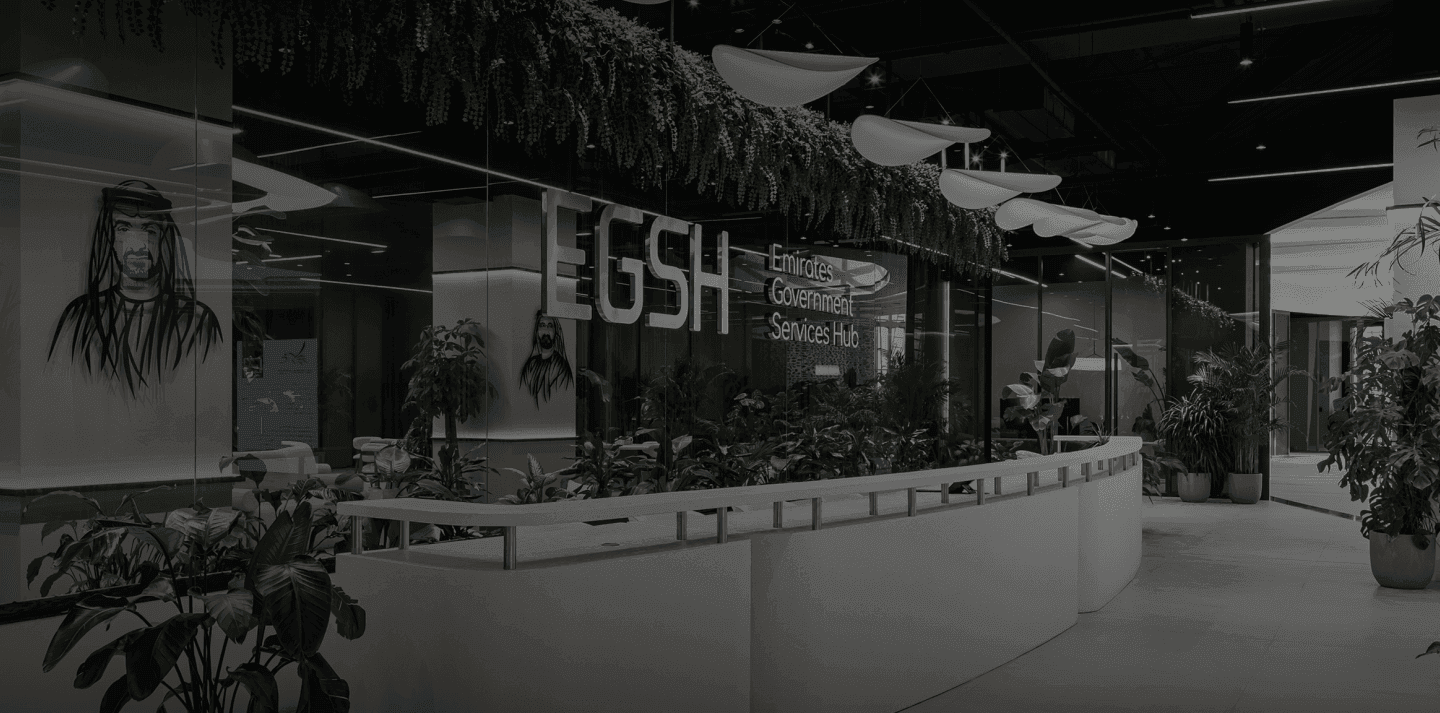
About EGSH
UAE Medical Fitness Test for Residence Visa: Requirements, Diseases and Process
Foreign nationals cannot obtain or renew a UAE residence or work permit without passing a government‑approved medical fitness examination. For HR teams, PROs, employers and individual applicants, incorrect assumptions about the tests or timing can delay entry, onboarding or family sponsorship, or even result in visa refusal.
This article sets out, in a single structure, which diseases are screened for, who must undergo testing, how the process operates at Emirates Health Services (EHS) and Dubai Health Authority (DHA) centres, and how special rules apply to domestic workers and certain high‑contact professions. It also summarises the official fee ranges and processing times, explains how TB is handled under the federal Cabinet Resolution.
Book Your Medical Fitness Test in Dubai
Officially regulated fees
No hidden charges
Queue-free service
VIP support at no extra cost
From AED 325
Explore EGSH Services
Why a Medical Fitness Test Is Required for UAE Visas
The UAE requires a structured medical test for UAE residence visa applicants to protect public health by ensuring that incoming and renewing residents do not pose a high risk of spreading serious communicable diseases. According to federal health‑conditions rules, the focus is on infections such as HIV and tuberculosis that have major public‑health implications, alongside other conditions like hepatitis and leprosy. Only once an applicant is confirmed medically fit will residence stamping or renewal proceed.
This system is part of the broader communicable diseases screening policy in the UAE, under which all expatriate residence applicants aged 18 or above must be screened at designated government or authorised centres. The screening helps detect diseases early, link those affected to treatment where possible, and prevent transmission in workplaces, homes and public spaces. Medical fitness is therefore not a formality; it is an integral condition for lawful residence.

Under federal regulations and Cabinet decisions, including a 2016 Cabinet Resolution on tuberculosis, the health authorities also use the visa medical test to ensure that those with certain conditions are kept under structured follow‑up. For example, residents with signs of current or previous TB may receive a conditional one‑year certificate tied to treatment, rather than an outright denial in all cases. The visa medical is, therefore, both a gatekeeping and a monitoring tool.

Get Visa Services in Dubai Through EGSH
Authorised One-Stop Government Services Centre
- All government services in one place
- Completed in one visit
- VIP service without queues
- Regulated government fees

Who Must Undergo the Medical Fitness Examination
The medical fitness requirement applies to all new expatriate residents and to existing residents renewing their visas who have completed the age of 18 years. The UAE medical fitness age limit of 18 years is clearly stated in EHS residency screening guidance, which confirms that applicants below this age are generally not required to undergo standard visa medical testing. Once an individual turns 18, the obligation applies at the next residence issuance or renewal.
The rule covers a wide range of residence‑linked permits, including employment visas, domestic worker visas, company‑sponsored dependants, certain student and training visas, and other long‑term stay categories. Whether the sponsor is an employer, a private household, a free‑zone company or an individual, the underlying requirement is the same: a valid medical fitness result must be issued before residence is granted or extended.
Examinations must be conducted only at government or officially authorised facilities. In the northern emirates and federally, these are primarily Emirates Health Services residency screening centres; in Dubai, they are DHA‑run centres and DHA‑authorised providers; in Abu Dhabi, Department of Health‑linked centres. Private clinics cannot substitute this exam unless specifically accredited.
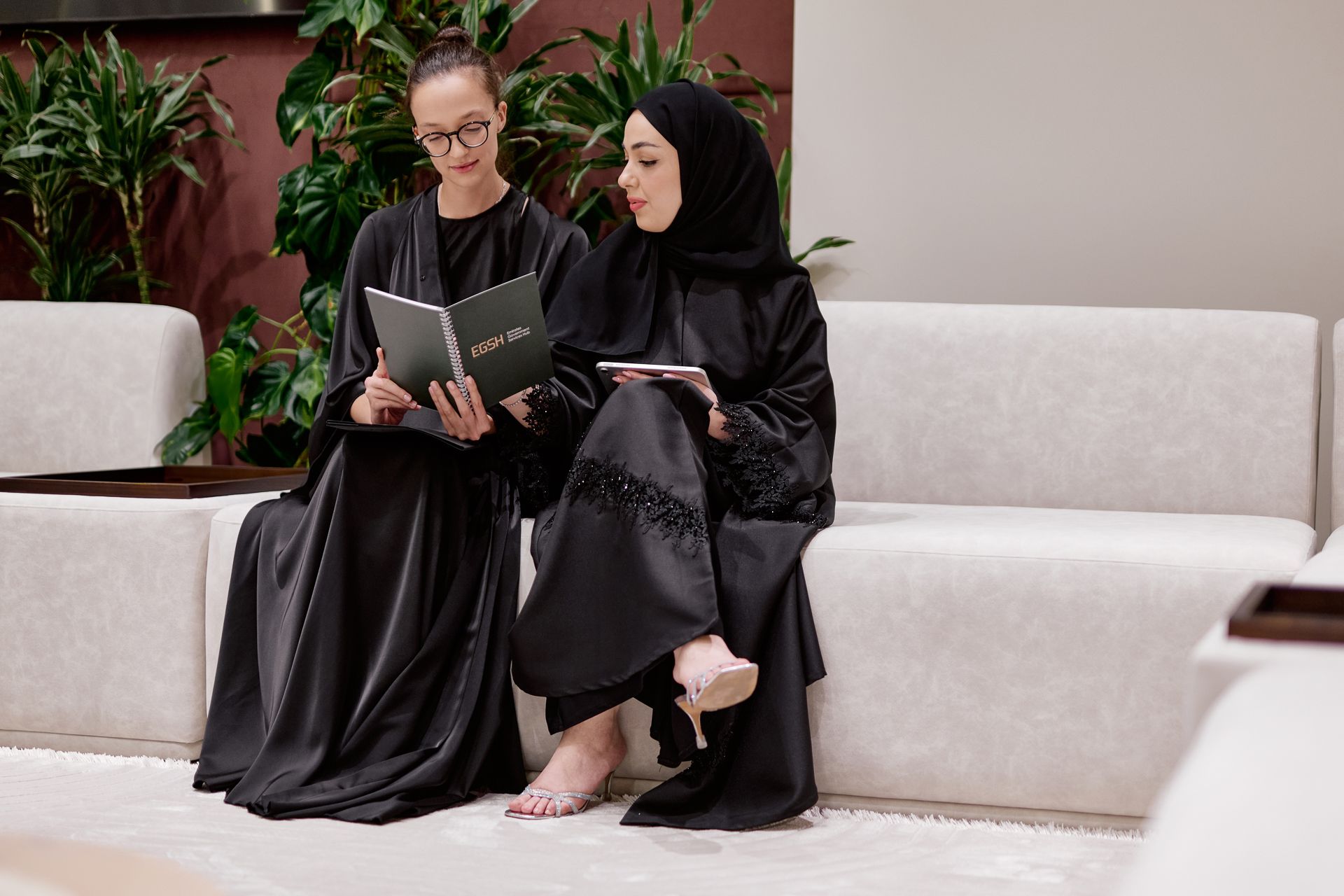


Why Choose EGSH for Government Services in Dubai

VIP Service
Personal assistance and priority processing with no queues.

Affordable Fees
Official government rates with transparent, fixed pricing.

All Services in One Place
Comprehensive range of UAE government services under one roof.

One-Visit Completion
Most procedures are completed in a single visit to the centre.
What Tests Are Included in the UAE Visa Medical
The exact test panel depends on the emirate and the applicant’s job category, but core communicable‑disease screening is standard across the UAE. Every applicant undergoes blood tests, and, where required, radiology such as chest X‑rays, with additional tests or vaccinations layered on for higher‑risk professions such as domestic workers, food handlers, salon staff and healthcare workers.
Core Communicable Disease Screening
At EHS residency screening centres, the standard panel includes testing for HIV/AIDS, pulmonary tuberculosis, leprosy, hepatitis B, and hepatitis C. Dubai Health Authority similarly notes that mandatory medical fitness tests for expats include blood tests and X-rays and are required for residency, employment, or education visas. These diseases are targeted because they can be serious, chronic and, in some cases, infectious.
The HIV test for the UAE residence visa is usually performed via blood screening to confirm the applicant is free from HIV infection before residence is approved. Hepatitis viruses are addressed through hepatitis B testing for UAE visa applications and hepatitis C testing, as chronic carriers can transmit infection through blood and certain types of close contact. Leprosy is also screened, particularly for applicants in health‑related or high‑contact roles, as part of the public‑health strategy.

Tuberculosis screening is carried out through a combination of clinical assessment, radiology and, where indicated, laboratory tests. The tuberculosis test for the UAE visa focuses on pulmonary TB, assessing whether there is current active disease, evidence of previous healed disease (such as lung scars), or signs suggesting latent infection. These results are then interpreted in line with federal TB policy for visa issuance and renewal, discussed in more detail below.
Additional Tests for Specific Job Categories
Under the UAE Government’s published health‑conditions rules, certain occupations with a higher risk of disease transmission or close personal contact are subject to extra testing beyond the core panel. These include workers in nurseries and childcare facilities, domestic workers such as housemaids, nannies and private drivers, food handlers and restaurant or café workers, employees in salons and beauty centres, and staff in health clubs. For these groups, authorities require a syphilis test for domestic workers in the UAE and syphilis screening for similar high‑risk roles.
Female domestic workers must also test negative for pregnancy, and DHA’s fee schedule confirms that an additional amount is charged in domestic‑worker packages to cover this mandatory pregnancy test for female domestic workers in the UAE. Beyond testing, there are specific immunisation requirements: hepatitis B vaccination is obligatory for visa workers in nannies, housekeepers and comparable domestic categories; nursery and kindergarten supervisors; workers in hairdressing and beauty salons and health clubs; and workers in health facilities, with the vaccination cost added to the medical fitness fee.

These rules effectively create tiered medical fitness test requirements for salon and beauty workers in the UAE, food handlers and domestic staff, reflecting the closer physical contact they have with vulnerable groups such as children, patients and the general public. Sponsors employing people in these professions should therefore expect additional tests, vaccination charges and, in some cases, stricter scrutiny of results compared with standard office‑based roles.
Tuberculosis Screening, Emirate Practices and Renewals
Approaches to TB screening differ slightly by emirate while remaining under the same federal framework. For Abu Dhabi visa medical screening, guidance indicates that foreign nationals are routinely checked for pulmonary tuberculosis using a chest X‑ray as part of visa processing. This chest X-ray for TB screening in Abu Dhabi allows early identification of both active TB and lung scars from previous disease, which then guide decisions on fitness and follow‑up.
Dubai also conducts radiological assessment when clinically indicated. Across the UAE, the 2016 Cabinet Resolution mandates TB screening for UAE residence renewal: all resident expatriates renewing their visas must undergo TB checks, and the results are categorised into active TB, drug‑resistant TB, previous TB with scarring, or inactive/dormant TB. Each category has distinct implications for the fitness decision.
Under these TB rules for UAE visa renewal and one-year fitness certificate, applicants with active or drug‑resistant TB, or with significant TB scars, may be granted a conditional one‑year Health Fitness Certificate for Residence linked to compulsory treatment and regular review by the preventive medicine department, rather than a standard multi‑year clearance. Those with dormant or inactive TB can still be regarded as medically fit, provided they adhere to prescribed treatment and follow‑up. Individuals deemed medically unfit due to uncontrolled TB will not have their residence visas issued or renewed.
Visit EGSH for VIP Service Without Queues
You can stop by EGSH during working hours without an appointment or book your visit at a time that suits you best.
Address
Art of Living Mall, Al Barsha 2, Dubai
Operating hours
Monday–Thursday, Saturday: 9:00 am–5:00 pm
Friday: 9:00 am–12:00 pm, 2:00 pm–5:00 pm
Sunday: Closed

Step-by-Step Process at EHS and DHA Medical Fitness Centres
Across the UAE, the medical fitness process follows a similar pattern: appointment or walk‑in registration at an approved centre, identity and application verification, clinical assessment by a physician, X‑rays and blood tests, and the electronic issuance of a report for visa processing.
Booking, Documents and Preparation
Most applicants begin by booking an appointment online or through call centres at an EHS medical fitness centre, a DHA‑run facility, or a DHA‑authorised provider such as Smart Salem. Some centres accept walk‑ins, but booking is strongly recommended during peak seasons. When scheduling, applicants select the emirate, centre, service speed (regular, express, or VIP, where available), and, in some cases, declare their job category so the appropriate tests and vaccinations can be prepared.
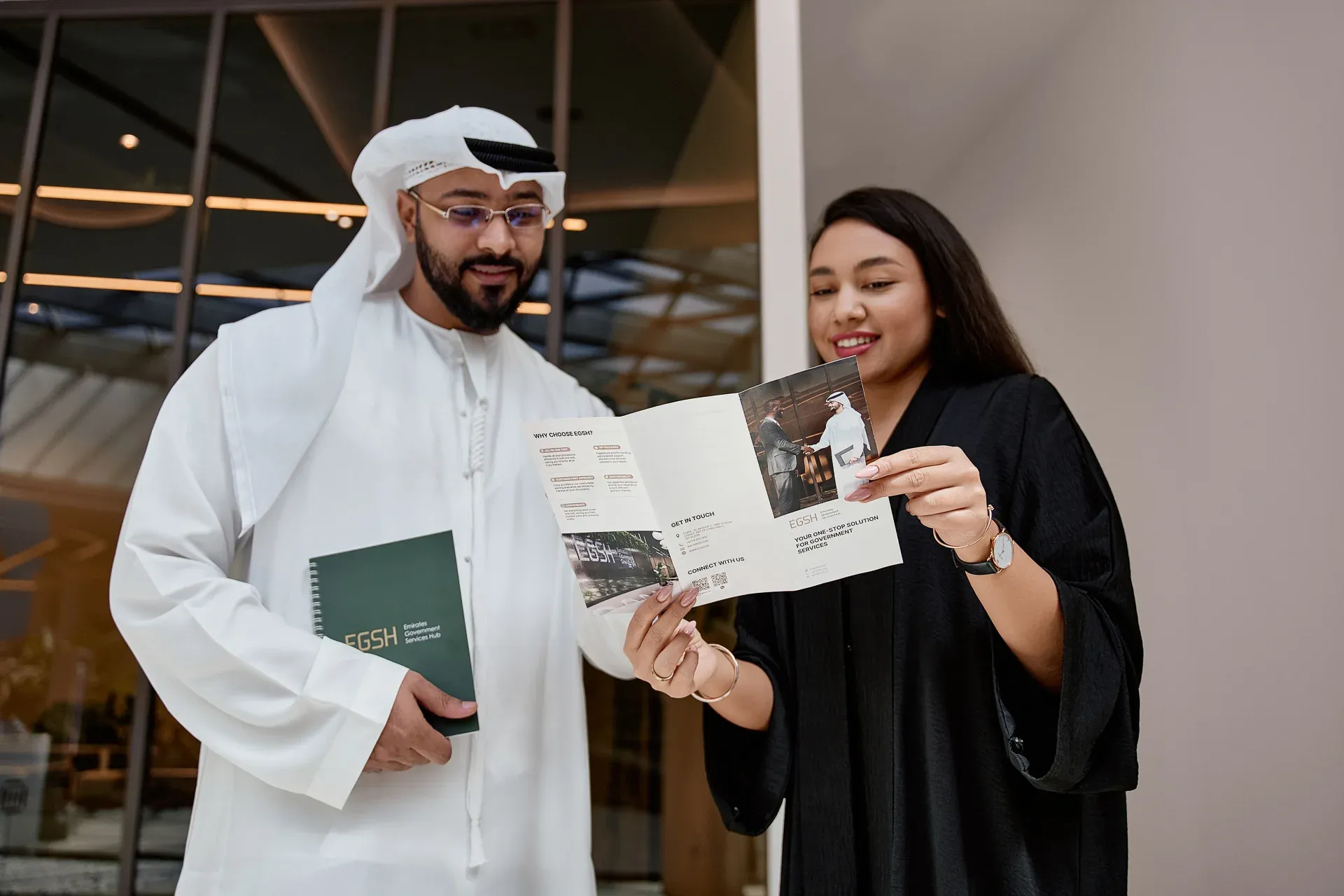
EHS specifies that applicants for residency medical fitness must be 18 years of age or older, aligning with the national testing threshold. For renewal cases, the Emirates ID must be presented at the centre, as it is the primary identifier used to link health and residence records. Companies submitting large batches of workers may need delegate cards or similar authorisations, so that a representative can complete group registrations and payments on their behalf at the counter.
In Dubai, appointments can be booked at a DHA medical fitness centre via DHA’s official channels, selecting regular, express, VIP, or specialised services as needed. Applicants should bring their original passport, current or entry permit, Emirates ID for renewals, and any sponsor letters or company applications that link the test to the visa file. Planning ahead for the processing time of the visa medical test is essential, as medical fitness certificates must be valid and uploaded before residence stamping or renewal can proceed.

At the Centre: Registration, X-Ray, Blood Tests and Results
At EHS facilities, the typical medical fitness test process at EHS residency screening centres starts with check‑in at the Customer Happiness Centre, where staff verify identity, confirm the correct category (A, B or C) and collect fees. Applicants are then directed to the radiology department for any required chest X‑ray, particularly where TB screening is indicated by rules or clinical judgement. After radiology, a treating physician conducts a brief clinical evaluation and orders the necessary blood and serology tests.
DHA centres follow a similar flow: registration and payment, triage, radiology and blood collection. The residency screening service generally issues the medical fitness report within 24 working hours. DHA lists its Regular Medical Fitness Service, including for household domestic servants, as providing results within 24 working hours. These timeframes are counted only within official working hours, so tests taken near the end of the working day may effectively be completed on the next business day.
For applicants who require faster turnaround, DHA offers express and VIP services. Express services provide results in around six working hours, while VIP services can deliver certificates in about two working hours. DHA also authorises Smart Salem centres, which are structured for rapid processing; according to DHA’s schedule, the Medical Fitness Service at Smart Salem issues the fitness certificate in approximately 30 working minutes. All published times exclude any delays caused by public holidays or system maintenance, and do not cover external typing‑centre steps for visa applications.
Medical Fitness Test Costs and Service Timelines
Fees vary by emirate, provider, applicant category, and service speed. In Dubai, additional premium options are available, while EHS applies differentiated tariffs based on whether the worker is a standard employee, a domestic worker, or in a beauty or healthcare role. When planning the medical fitness test in the UAE, applicants should also factor in separate service‑centre and typing‑centre charges, which are not included in basic government fee lists.
EHS Residency Medical Fitness Fees And Categories
Federal guidance divides EHS residency screening services into three main categories, each with its own fee structure. Category A covers employees, company workers and general workers, with total EHS residency medical fitness fees commonly set at around AED 260. EHS’s own breakdown shows this as AED 250 for the medical service itself and AED 10 for certificate printing, excluding any separate service‑centre surcharges.
Category B applies to private drivers, housemaids, nannies, housekeepers, nursery supervisors and similar domestic roles. For this group, the total fee is typically around AED 360, again excluding service‑centre mark‑ups. A sample breakdown published by EHS shows AED 250 for the medical service, AED 50 for hepatitis B vaccination in new applications where required, AED 50 for pregnancy testing of eligible female workers, and AED 10 for printing. This reflects the additional testing and immunisation requirements applied to domestic workers.
Category C is designed for workers in beauty parlours and salons, fitness clubs, spas and healthcare facilities. Here, the indicative fee is around AED 310 plus any applicable service‑centre charges, reflecting the need for extra screening and vaccinations for these high‑contact professions. Sponsors often ask about EHS medical fitness test fees for domestic workers and nannies in particular; for planning purposes, they should assume the Category B figure noted above and confirm the exact total with the chosen centre, as vaccination elements may differ between new and renewal applications.
DHA Dubai Medical Fitness Fees, Express and VIP Options
DHA publishes a detailed fee schedule that distinguishes between service types and applicant categories; these DHA medical fitness service fees exclude typing‑centre charges and may be adjusted by DHA in the public interest. The Regular Medical Fitness Service for general applicants, with results in around 24 working hours, is listed at approximately AED 250. For household domestic servants, the Regular service costs about AED 300 and includes an additional pregnancy test component required for this category.

Express options are available for those who need faster results. Under DHA’s schedule, express services are priced at around AED 700 for general applicants and AED 750 for domestic servants, both targeting results in roughly six working hours. The VIP Medical Fitness Service is set at about AED 1,020, with certificates intended to be issued within two working hours, subject to completion during official working times.
DHA also lists a Medical Fitness Service at Smart Salem Centre, priced at around AED 700 with an advertised processing time of approximately 30 working minutes; this arrangement is one of the fastest options and is delivered through the Smart Salem medical fitness centre Dubai network, authorised by DHA. For those needing on‑site testing, DHA operates the Tawajod home/office visa medical service via Al Muhaisnah Medical Fitness Centre, with a listed charge in the same band as VIP services (around AED 1,020). Applicants should always verify current tariffs directly on DHA’s platforms, as schedules state that prices can be amended when required.

Results, Follow-Up and Medically Unfit Cases
Once testing is complete, the health authority issues a result stating whether the applicant is medically fit or unfit for residence. This UAE medical fitness certificate**** is then used by immigration and residency authorities (such as GDRFA or ICP) to decide on visa issuance or renewal. In routine cases, a “fit” result allows the residence procedure to progress without additional health‑related steps, although vaccination requirements for certain roles may still need to be completed.
Under the TB‑related Cabinet Resolution, some applicants receive a conditional health fitness certificate for residence (one-year) rather than a standard clearance. This occurs where pulmonary TB is present or suspected, but can be managed under treatment and follow‑up by the preventive medicine department. The certificate is time‑limited and usually requires proof of ongoing therapy; failure to comply can affect future renewals and migration decisions.

Applicants deemed medically unfit for a UAE residence visa under the federal health conditions are not granted a residence visa or renewal. This generally applies in cases of confirmed HIV infection, untreated or drug‑resistant active tuberculosis, and certain other disqualifying conditions defined in the health‑conditions regulations. Employers and sponsors should therefore avoid starting onboarding or relocation steps that depend on residence visa issuance until the medical fitness result is known, to prevent avoidable financial or operational disruption.
Practical Checklist and Key Reminders for Applicants
Before booking any Dubai visa medical test or equivalent service in other emirates, applicants and sponsors should confirm that the person requiring residence has reached the age threshold of 18 and therefore falls within the mandatory testing regime. For younger dependants, check whether any special requirements apply; in most ordinary family cases, those below 18 years old, the standard medical visa will not be triggered. Align the timing of the medical with entry‑permit validity or renewal windows so that the certificate remains valid when the visa file is processed.
Always use approved government or authorised centres: EHS in the northern emirates, DHA-authorised facilities in Dubai, and DoH‑linked centres in Abu Dhabi. Verify working hours, appointment availability and any gender‑specific rules (for example, for pregnancy testing). Sponsors should identify whether the role is categorised as a domestic worker, food handler, salon/beauty worker, healthcare worker, or similar, as these categories attract additional tests, vaccinations, and, in some cases, different fees and follow‑up conditions.
Budget not only for the published government medical fee but also for any service‑centre surcharges, vaccination costs and separate visa‑typing charges. Keep original IDs and visa documents with you at the appointment, and ensure company delegates carry the necessary authorisation cards where large groups of staff are processed together.

FAQ
What Tests Are Done in the UAE Medical Fitness Test for Visa?
The standard panel covers HIV, pulmonary tuberculosis, leprosy, hepatitis B and hepatitis C, using blood tests and, where indicated, chest X‑rays. For certain occupations such as domestic workers, food handlers, nursery staff, salon and health‑club workers, additional tests for syphilis and, for female domestic staff, pregnancy are required, along with hepatitis B vaccination where mandated. TB screening also forms part of the assessment for new and renewing residents, with results determining whether a full or conditional certificate is issued.
What Is the Cost of a Medical Fitness Test for a UAE Residence Visa in Dubai?
The cost of a medical fitness test for a UAE residence visa in Dubai depends on the chosen DHA service and applicant category. Regular medical fitness costs about AED 250 for general applicants and AED 300 for household domestic servants, both with 24‑hour processing. Express services cost around AED 700–750 with six‑hour processing; VIP services, about AED 1,020 with two‑hour processing; and Smart Salem centres, around AED 700 with a 30‑minute turnaround, all excluding typing‑centre charges.
How Long Does the Medical Fitness Test Result Take in the UAE?
EHS residency screening and DHA Regular services typically issue results within 24 working hours, excluding weekends and public holidays from the calculation. DHA Express services aim for about six working hours, VIP services about two working hours, and Smart Salem centres for roughly 30 working minutes from completion of tests, subject to official working times.
Which Diseases Make You Medically Unfit for a UAE Residence Visa?
The main conditions referenced in which diseases make you unfit for UAE residence visa decisions are HIV infection and active, especially drug‑resistant, pulmonary tuberculosis that is not under acceptable control. Certain other serious communicable diseases can also lead to an unfit decision, depending on the regulations and clinical assessment. In TB cases, some applicants may instead receive a conditional one‑year certificate linked to treatment, but those categorised as medically unfit will not have their residence issued or renewed.
What Are the Medical Fitness Test Requirements for Domestic Workers and Salon Staff in the UAE?
Domestic workers, including housemaids, nannies and private drivers, and staff in salons, beauty centres and health clubs, are subject to stricter checks under medical fitness test requirements for salon and beauty workers in the UAE and related rules. In addition to the standard panel, they must test negative for syphilis and, for relevant female staff, pregnancy; many are also required to receive hepatitis B vaccination, with the cost included in the medical package. Fees are higher for these categories, and employers should plan for the additional tests and possible follow‑up.
What Documents Are Required for the UAE Visa Medical Fitness Test?
Applicants generally need their original passport, valid entry permit or current visa, and Emirates ID in renewal cases, along with a recent photograph where requested by the centre. Company‑sponsored workers may require a letter from the employer or a copy of the visa application to link the medical record to the immigration file, and delegates submitting multiple employees need official delegate cards. Checking the exact document list on the EHS or DHA website for the chosen centre before the appointment helps avoid delays or repeat visits.




