


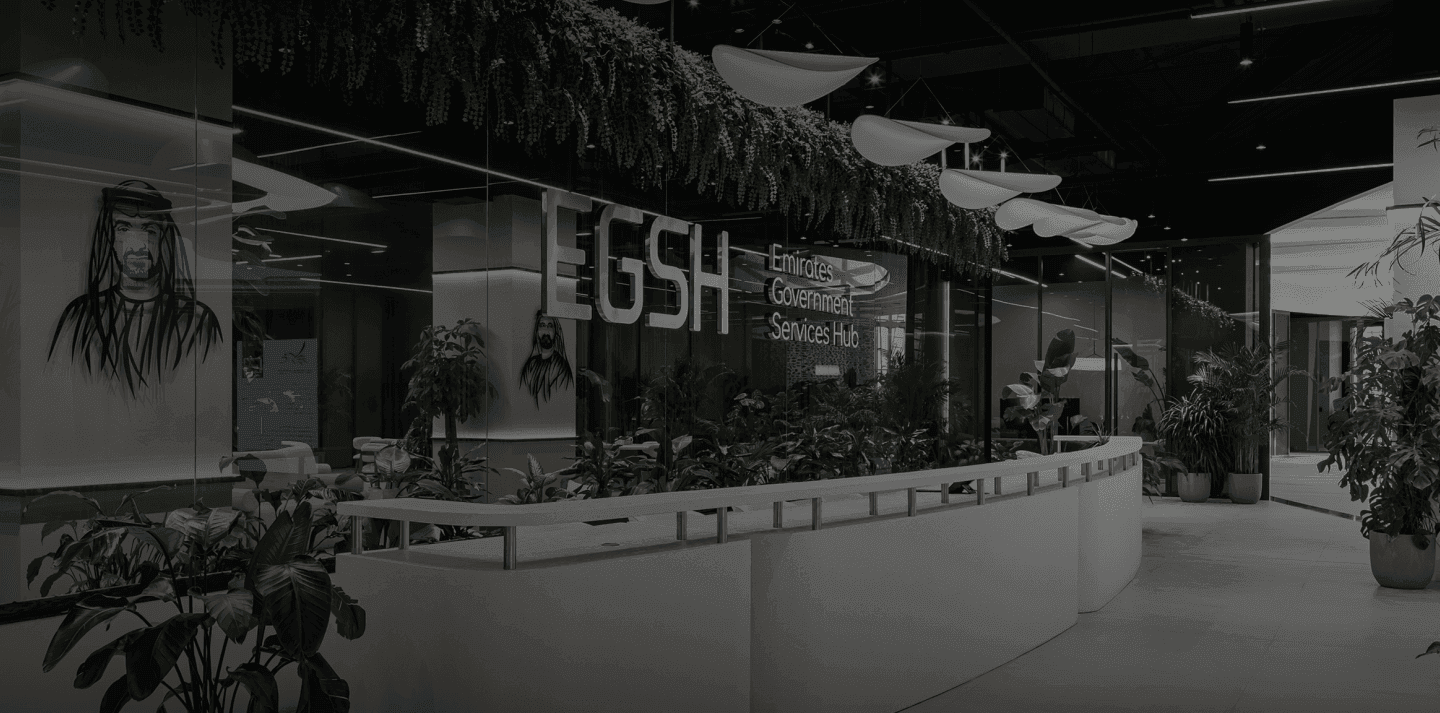
About EGSH
What an Industrial Licence in Dubai Covers
An industrial licence is a legal permit issued by the Dubai Department of Economy and Tourism (DET) that authorises a company to carry out manufacturing, processing, assembly, or packaging activities within the Dubai mainland. It is one of the three main licence categories — alongside commercial and professional — and is specifically designed for businesses that transform raw materials or semi-finished goods into finished products.
Under Federal Decree-Law No. 25 of 2022 on the Regulation and Development of Industry, an industrial establishment is defined as any entity whose primary purpose is to convert raw materials into fully or semi-manufactured products, including through mixing, separating, forming, assembling, and packaging. This federal law, effective since January 2023, applies to all industrial activities across the UAE, including free zones and specialised economic zones. It replaced the previous Federal Law No. 1 of 1979 on the Regulation of Industry.
An industrial licence covers a wide range of manufacturing activities, including food production, textiles, printing and packaging, chemical manufacturing, metal fabrication, furniture making, equipment assembly, and building materials. The DET maintains a detailed activity list, and applicants must select the specific industrial activity that matches their planned operations before the licence is issued. The choice of activity classification determines external approval requirements, inspection obligations, and the applicable fee structure.
Unlike a commercial licence, which permits the buying and selling of goods, or a professional licence, which covers service-based activities, the industrial licence requires a physical production facility and compliance with additional safety, environmental, and technical standards. Businesses holding an industrial licence may also import raw materials and export finished products, making this licence suitable for manufacturers targeting both domestic and international markets. For a detailed comparison of all three licence types, see the EGSH guide to commercial, professional, and industrial licences in Dubai.
Apply for an Industrial Licence in Dubai
Officially regulated fees
No hidden charges
Queue-free service
VIP support at no extra cost
From AED 15,000
Explore EGSH Government Services in Dubai
Eligibility and General Requirements
Before applying for an industrial licence in Dubai, the applicant must satisfy several core requirements set by the DET and the Ministry of Industry and Advanced Technology (MoIAT).
Business structure. The applicant must register the company under an accepted legal form. The most common structure for manufacturing businesses is a Limited Liability Company (LLC), which supports commercial and industrial activities and allows 100% foreign ownership for most sectors under Federal Decree-Law No. 26 of 2020 on the Regulation of Commercial Companies. Other permitted structures include a sole establishment, a one-person company, or a civil company, depending on the scale and ownership requirements.
Physical facility. A physical factory, warehouse, or workshop located in an approved industrial zone is mandatory. Virtual offices are not permitted for industrial licences. The facility must be leased under a tenancy contract registered through the Ejari system.
Minimum capital and workforce. According to MoIAT, industrial establishments seeking an Industrial Production Certificate must have a total manufacturing facility capital of at least AED 250,000 and a minimum of 10 employees. Facilities that do not meet these thresholds may apply for a Certificate of Non-Applicability instead.
Activity selection. The applicant must select a valid industrial activity from the DET's approved activities list. The selected activity determines external approval requirements, inspection criteria, and the applicable government fees. The activity list can be browsed through the Invest in Dubai portal.

Get Business Services in Dubai Through EGSH
Authorised One-Stop Government Services Centre
- All government services in one place
- Completed in one visit
- VIP service without queues
- Regulated government fees


Why Choose EGSH for Government Services in Dubai

VIP Service
Personal assistance and priority processing with no queues.
Affordable Fees
Official government rates with transparent, fixed pricing.

All Services in One Place
Comprehensive range of UAE government services under one roof.

One-Visit Completion
Most procedures are completed in a single visit to the centre.
Step-by-Step Application Process
Step 1 — Select the Industrial Activity and Legal Structure
Choose the specific manufacturing activity from the DET's approved list. Register the company under an appropriate legal form, such as an LLC. For Dubai mainland company formation, foreign investors may hold 100% ownership for most industrial activities under Federal Decree-Law No. 26 of 2020.
Step 2 — Reserve a Trade Name
Submit a trade name reservation request through the DET portal. The name must comply with UAE naming conventions and be unique within the commercial register. EGSH processes trade name reservation in Dubai as a dedicated service.
Step 3 — Obtain Initial Approval from DET
Apply for initial approval from the DET. This confirms that the proposed industrial activity is permitted and that the ownership structure meets regulatory requirements. The initial approval allows the applicant to proceed with facility arrangements and external approvals. EGSH handles the initial approval stage as part of the licence registration process.

Step 4 — Secure a Physical Facility
Lease a factory, warehouse, or workshop within an approved industrial zone in Dubai. Major industrial zones include Dubai Industrial City, Jebel Ali Free Zone (JAFZA), Dubai South, and Dubai Investments Park. The lease must be registered through Ejari for mainland premises.
Step 5 — Obtain External Approvals and NOCs
Industrial licence applications require clearances from several government authorities before the DET will issue the final licence:
- Dubai Municipality — environmental clearance, health and hygiene compliance, land use approval, and waste management assessment
- Dubai Civil Defence — fire safety inspection and emergency readiness certification
- Dubai Electricity and Water Authority (DEWA) — utility capacity confirmation for electricity and water supply
- MoIAT — industrial compliance and registration in the national industrial registry
Depending on the manufacturing activity, additional approvals may be required from authorities such as the Ministry of Health and Prevention (MoHAP) for food, cosmetics, or pharmaceutical products, or the Ministry of Interior for activities involving hazardous materials. For a guide to obtaining the required No Objection Certificate from relevant authorities, EGSH provides dedicated NOC processing support.
Step 6 — Submit the Full Licence Application
Once all external approvals have been obtained, submit the complete application package to the DET. This includes the initial approval, all NOCs, identity documents, the tenancy contract, the factory layout, and the business plan. Government fees must be paid at this stage.
Step 7 — Facility Inspection and Licence Issuance
The DET or relevant authority may conduct a site inspection to verify that the facility layout, safety equipment, and machinery comply with the approved plans. Once the inspection is completed satisfactorily and all fees are settled, the industrial licence is issued through EGSH as an authorised DLD Real Estate Services Trustee Centre and authorised business registration service provider.

Federal Registration with MoIAT
After obtaining the local industrial licence from the DET, the business must register with the Ministry of Industry and Advanced Technology (MoIAT) to obtain an Industrial Production Certificate. This is a mandatory federal step that formally registers the factory in the national industrial registry.
The Industrial Production Certificate enables the business to apply for customs duty exemptions on the import of machinery, equipment, spare parts, and raw materials directly used in the manufacturing process. It also grants access to additional government benefits and incentive programmes under MoIAT's framework.
According to MoIAT, the requirements for the Industrial Production Certificate include:
- A valid local industrial licence from the DET
- A total manufacturing facility capital of at least AED 250,000
- A minimum of 10 employees
- The company's Memorandum of Association
- Compliance with all applicable laws relating to industrial security, public health, and environmental conservation
The application is submitted through MoIAT's digital services platform at moiat.gov.ae. After document review and fee payment, MoIAT arranges a facility inspection. The certificate is issued once the inspection report is approved.
Establishments that do not meet the capital or workforce thresholds may apply for a Certificate of Non-Applicability from MoIAT. This certificate confirms that the standard industrial production licensing conditions do not apply to the establishment, although the business may continue to operate under its local DET licence.

Visit EGSH for VIP Service Without Queues
You can stop by EGSH during working hours without an appointment or book your visit at a time that suits you best.
Address
Art of Living Mall, Al Barsha 2, Dubai
Operating hours
Monday–Thursday, Saturday: 9:00 am–5:00 pm
Friday: 9:00 am–12:00 pm, 2:00 pm–5:00 pm
Sunday: Closed

Industrial Licence Renewal
Industrial licences in Dubai are valid for one year and must be renewed before expiry. Late renewal may result in administrative fines and potential suspension of business activities.
The annual renewal process generally requires:
- Filing the renewal application with the DET
- Providing an updated Ejari tenancy contract or free zone lease agreement
- Submitting current inspection reports and environmental clearances
- Paying the applicable fees through EGSH's trade licence renewal service
Businesses must also maintain their MoIAT registration and ensure continued compliance with all safety, environmental, and operational standards throughout the licence period. Any changes to business activities, facility location, or ownership structure require a formal trade licence amendment with the DET before renewal can proceed.

Key Authorities Involved
Several government authorities play a role in the industrial licensing process in Dubai:
- Department of Economy and Tourism (DET) — issues the mainland industrial licence and oversees business registration in Dubai
- Ministry of Industry and Advanced Technology (MoIAT) — manages federal industrial registration, the Industrial Production Certificate, and the national industrial registry
- Dubai Municipality — reviews environmental compliance, health standards, and land use for industrial facilities
- Dubai Civil Defence — conducts fire safety inspections and issues safety clearances
- Dubai Electricity and Water Authority (DEWA) — confirms utility capacity and approves electrical and water connections
- Ministry of Health and Prevention (MoHAP) — issues additional approvals for food, cosmetic, and pharmaceutical manufacturing
Understanding each authority's role and approval timeline helps manufacturers plan the licence application process efficiently and avoid delays.

Related Government Services
Frequently Asked Questions
What is an industrial licence in Dubai?
An industrial licence is a legal permit issued by the Dubai Department of Economy and Tourism (DET) that authorises a company to carry out manufacturing, processing, assembly, or packaging activities on the Dubai mainland. It is required for any business that transforms raw materials into finished or semi-finished products.
What is the minimum capital required for an industrial licence?
According to MoIAT, industrial establishments seeking an Industrial Production Certificate must have a total manufacturing facility capital of at least AED 250,000. Establishments below this threshold may apply for a Certificate of Non-Applicability.
How many employees are required for an industrial licence in Dubai?
MoIAT requires a minimum of 10 employees for establishments applying for an Industrial Production Certificate. This federal requirement applies alongside any workforce conditions set by the DET at the local level.
How much does an industrial licence cost in Dubai?
DET licence issuance and government fees for a mainland industrial licence typically range from AED 15,000 to AED 25,000, depending on the activity and legal form. Total first-year costs, including facility lease and external approvals, may range from AED 20,000 to AED 50,000, excluding machinery and fit-out expenses. Annual renewal fees generally fall between AED 8,000 and AED 15,000.
Can a foreign investor obtain an industrial licence in Dubai?
Yes. Under Federal Decree-Law No. 26 of 2020 on the Regulation of Commercial Companies, foreign investors may hold 100% ownership of a mainland company for most commercial and industrial activities. Free zone options also offer full foreign ownership for eligible industrial activities.
What external approvals are needed for an industrial licence?
Applicants typically need clearances from Dubai Municipality (environmental and health compliance), Dubai Civil Defence (fire safety), and DEWA (utility capacity). Regulated sectors such as food production or chemicals may require additional approvals from MoHAP or the Ministry of Interior.
What is the difference between a DET industrial licence and a MoIAT Industrial Production Certificate?
The DET industrial licence is a local permit that authorises the business to operate in Dubai. The MoIAT Industrial Production Certificate is a federal registration that formally enters the factory into the national industrial registry and enables customs duty exemptions on imported machinery and raw materials.
How long does it take to obtain an industrial licence in Dubai?
Processing times vary depending on the complexity of the activity, the number of external approvals required, and facility readiness. Activities requiring site inspections, environmental clearance, or technical assessments by MoIAT may take considerably longer than a standard application.
How often must an industrial licence be renewed?
Industrial licences in Dubai are valid for one year and must be renewed annually through the DET before expiry. Renewal requires an updated tenancy contract, current inspection reports, and payment of the applicable fees. Late renewal may result in administrative fines.
Which industrial zones are available in Dubai?
Dubai offers several designated industrial areas, including Dubai Industrial City, Jebel Ali Free Zone (JAFZA), Dubai South, and Dubai Investments Park. Each zone has its own infrastructure, zoning rules, and facility options. The choice of zone affects lease costs, logistics access, and regulatory requirements.
Explained by
Abdelmohsen Alyahri
Support Services
Abdelmohsen Alyahri is a support services professional with 3 years of experience in UAE government transactions. He assists with procedures across MOFA, the Ministry of Economy, Dubai Municipality, and RTA, ensuring accurate document handling, compliance, and timely processing.
Official Sources and References
- Dubai Department of Economy and Tourism (DET) — the primary authority for mainland business licensing and trade regulation in Dubai
- Ministry of Industry and Advanced Technology (MoIAT) — federal authority responsible for industrial registration, the Industrial Production Certificate, and the national industrial registry
- UAE Legislation Portal — Federal Decree-Law No. 25 of 2022 — official repository for the Law on the Regulation and Development of Industry
- Dubai Municipality — responsible for environmental clearance, health standards, and building compliance in Dubai
Important Notice
The information in this article is based on official UAE government sources available at the time of publication and is provided for general guidance only. Government fees, eligibility criteria, document requirements, and regulatory procedures are subject to change. Final approval of any industrial licence application rests with the relevant UAE government authority. Applicants should confirm current requirements directly with the DET, MoIAT, or other competent authorities before submitting an application. EGSH does not approve or issue government licences and does not guarantee application outcomes.



