


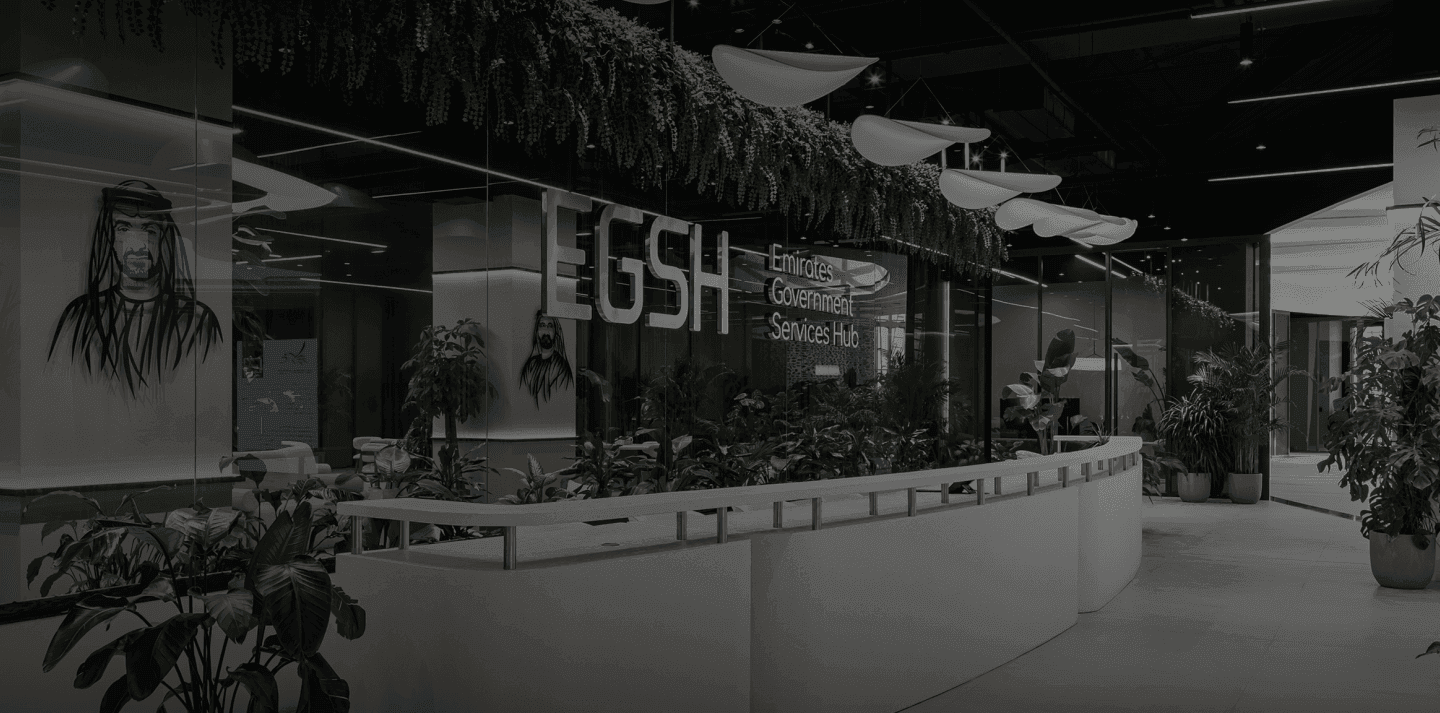
About EGSH
How DLD Registers Different Property Rights in Dubai
The Dubai Land Department (DLD) registers four main categories of real property rights in the emirate: freehold, leasehold, usufruct, and musataha. Each category produces a distinct title deed or certificate, and all registrations are governed by Law No. 7 of 2006, which designates the DLD as the sole authority responsible for maintaining the Real Property Register. Transactions and registrations may also be facilitated through authorised service centres, including the EGSH Centre, which assists with documentation and submission procedures in accordance with DLD requirements.
Dubai's property registration system operates through two official registers. The Real Property Register records ownership of completed properties and long-term rights such as freehold titles, usufruct certificates, and musataha agreements. The Interim Property Register, known as Oqood, records off-plan sales contracts under Law No. 13 of 2008. All off-plan transactions, regardless of whether the final ownership will be freehold, leasehold, or usufruct, are recorded in the Interim Register during construction. Only after the project is completed and the developer obtains a completion certificate, the property transfers to the Real Property Register, at which point the ownership type is reflected in the final deed.
Foreign nationals may acquire freehold ownership or long-term rights of up to 99 years exclusively in designated areas determined under Regulation No. 3 of 2006. UAE and GCC nationals may own property throughout the emirate without restriction on area or ownership type.
Register a Property Sale in Dubai
Officially regulated fees
No hidden charges
Queue-free service
VIP support at no extra cost
0
starting from
Freehold Title Deed — What DLD Issues and What It Contains
A freehold title deed confirms indefinite ownership of a unit or plot, including the land, where applicable. The deed explicitly states "freehold" as the nature of ownership. It records the owner's name, deed number, property description, plot number, ownership type, registration date, and a QR code for digital title deed verification.
Freehold ownership is available to UAE nationals across the entire emirate, while GCC nationals generally enjoy similar rights, subject to property zoning and applicable local regulations. Non-UAE and non-GCC nationals may acquire freehold title only in designated areas approved by the Ruler of Dubai. All deeds are now issued as digital certificates with the same legal validity as printed documents — our guide to the electronic title deed in Dubai explains how the DLD's e-deed system works, from issuance and email delivery to QR-code verification through the Dubai REST app. Owners can access and verify their deeds through the Dubai REST app.
Leasehold Title Deed — Fixed-Term Registration
A leasehold title deed records the right to use and occupy a property for a defined term of up to 99 years. The deed specifies the lease duration, start date, and the lessee's rights. Land ownership remains with the freeholder; the lessee acquires a registered real right, not merely a contractual right, for the duration of the term.

The leasehold interest is recorded in the Real Property Register, it becomes enforceable against third parties for its full duration. When the lease term expires without a valid renewal or extension, the registered right lapses, and the property interest reverts to the freeholder.
Usufruct and Musataha Certificates
Usufruct grants the right to use and benefit from a property without altering its substance for a period of up to 99 years. Musataha authorises construction or development on another party's land for a period of up to 50 years, as defined by the DLD. Both rights are registered separately through the DLD's usufruct and musataha registration service.
The certificates issued for these rights differ from standard title deeds in Dubai. A usufruct certificate specifies the term, the beneficiary rights, and any conditions imposed by the property owner. A musataha certificate additionally reflects the right to construct on the land during the agreed period. Both require their own fee calculations, which diverge from standard sale registration charges.
If the owner's personal details change after the deed is issued — following a passport renewal, naturalisation, or name change — a title deed modification in Dubai must be submitted before the freehold deed can be used for any subsequent transaction. To understand exactly what each section of the certificate means — from the deed number and owner nationality to the property map reference — see our guide on how to read a Dubai title deed.

Get DLD Services in Dubai Through EGSH
Authorised One-Stop Government Services Centre
- All government services in one place
- Completed in one visit
- VIP service without queues
- Regulated government fees

What Is Leasehold Ownership In The UAE
Alongside freehold, many UAE projects are offered on a leasehold or long‑term use‑right basis. This is often used in large developments, master‑planned communities, and in situations where land ownership remains with a government or master developer. However, long‑term occupation rights are granted to end‑users and investors.
Legal Nature Of Leasehold Interests
In general terms, leasehold is a time‑limited right to occupy and use a property, created under a lease agreement. The leaseholder (also called the lessee) acquires the right to use the unit for an agreed period, but does not own the underlying land. The land itself remains with the freeholder or landlord, who grants the lease.
In the UAE, similar arrangements may be described as leasehold, long‑term lease, usufruct, or related terms depending on the emirate and legal structure. Official UAE guidance notes that, in some emirates, foreigners can obtain long‑term rights of up to 99 years over property. These rights can typically be registered with the local land department, and when properly registered, they become a recognised real right for the duration of the term. When the lease term ends and is not renewed or extended, the property interest usually reverts to the freeholder, and the lessee’s rights cease.
Common Lease Terms, Renewals And Obligations
A leasehold property UAE arrangement is governed primarily by the lease contract itself, which sets out the parties’ rights and obligations. Key elements generally include the lease term (for example, 30, 50 or 99 years, or another agreed period), the start date, and any conditions for renewal or extension. Renewal may depend on mutual agreement and payment of an additional premium to the freeholder.
The lease will also typically regulate how the property may be used (for residential, commercial, or mixed purposes). It may place restrictions on structural alterations, subletting to third parties, or using the property for business. Many leases require the lessee to obtain written consent from the landlord and, where applicable, approvals from municipal or planning authorities before making significant changes.

Leasehold property in Dubai and elsewhere in the UAE frequently involves ongoing financial obligations. These may include:
- Ground rent or an equivalent fee to the freeholder, where applicable and as stated in the lease.
- Service charges and maintenance fees for common areas and shared facilities are usually set and adjusted in line with owners’ association or management regulations.
- Contributions to insurance, repairs, and building management are divided among unit owners or lessees.
Both landlord and tenant usually have contractual duties, and disputes are resolved by applying the lease terms together with relevant UAE legislation. Because specific rights and responsibilities vary by contract and emirate, it is important to have the lease reviewed carefully and to understand all fees before proceeding.



Why Choose EGSH for Government Services in Dubai

VIP Service
Personal assistance and priority processing with no queues.

Affordable Fees
Official government rates with transparent, fixed pricing.

All Services in One Place
Comprehensive range of UAE government services under one roof.

One-Visit Completion
Most procedures are completed in a single visit to the centre.
Documents Required by Ownership Type
The DLD requires specific documents at the trustee office depending on the ownership structure. All transactions share a common set of baseline requirements, with additional documents for each ownership type.
All ownership types require:
- Emirates ID for UAE residents or a valid passport for non-resident foreigners
- Electronic No Objection Certificate (e-NOC) from the developer in freehold areas, obtained via the Dubai REST app
- Legal Power of Attorney if a representative attends on behalf of any party
- Company registration with the DLD for unregistered entities
Freehold-specific requirements are the most straightforward. The standard sale and purchase agreement and the e-NOC from the developer are typically sufficient. The process follows the standard sale registration pathway at the trustee office.

Leasehold-specific requirements include the lease agreement specifying the term, start date, and conditions. Ground rent documentation may be required if the lease provides for periodic payments to the freeholder. Where the lease mandates freeholder consent for assignment or property ownership transfer in Dubai, written approval must be submitted before registration can proceed.
Usufruct and musataha requirements include the usufruct or musataha agreement specifying the term, conditions, and any construction rights (for musataha). Municipality approvals are required where musataha authorises new construction. These documents are in addition to the standard identification and NOC requirements.
For off-plan properties of any ownership type, Oqood registration applies during the construction phase. The ownership type becomes relevant only at handover, when the property transfers from the Interim Property Register to the Real Property Register and the appropriate deed or certificate is issued.

What Happens at the Trustee Office — Practical Differences
All DLD property registrations in Dubai are processed through authorised Real Estate Registration Trustee Centres. The procedural steps of a title deed registration at DLD are broadly similar across ownership types, but practical differences exist in processing time, system fields, and documentation review.
Freehold sale registration follows the most established pathway. Both buyer and seller — or their authorised representatives holding a valid Power of Attorney — attend the trustee office. The trustee verifies all submitted documents, enters transaction data into the DLD system, and completes an audit. Fees are calculated and paid through approved channels. For straightforward cash transactions with complete documentation, the DLD issues the electronic freehold title deed on the same day. The DLD estimates approximately 20 minutes for the registration process once all documents are verified.

Leasehold and usufruct initial registration follows a similar process at the trustee office, but the system records additional fields. These include the lease term, start and end dates, renewal conditions, and the lessee's specific rights. The DLD estimates up to 30 minutes for usufruct and musataha registrations. The issued certificate reflects the time-limited nature of the right and the conditions under which it may be renewed, transferred, or terminated.
Renewals and extensions represent a distinct transaction. When a leasehold or usufruct term approaches expiry, the parties may register a renewal or extension — a separate DLD transaction with its own fee calculation and document requirements. This is a procedural step that freehold owners never encounter.
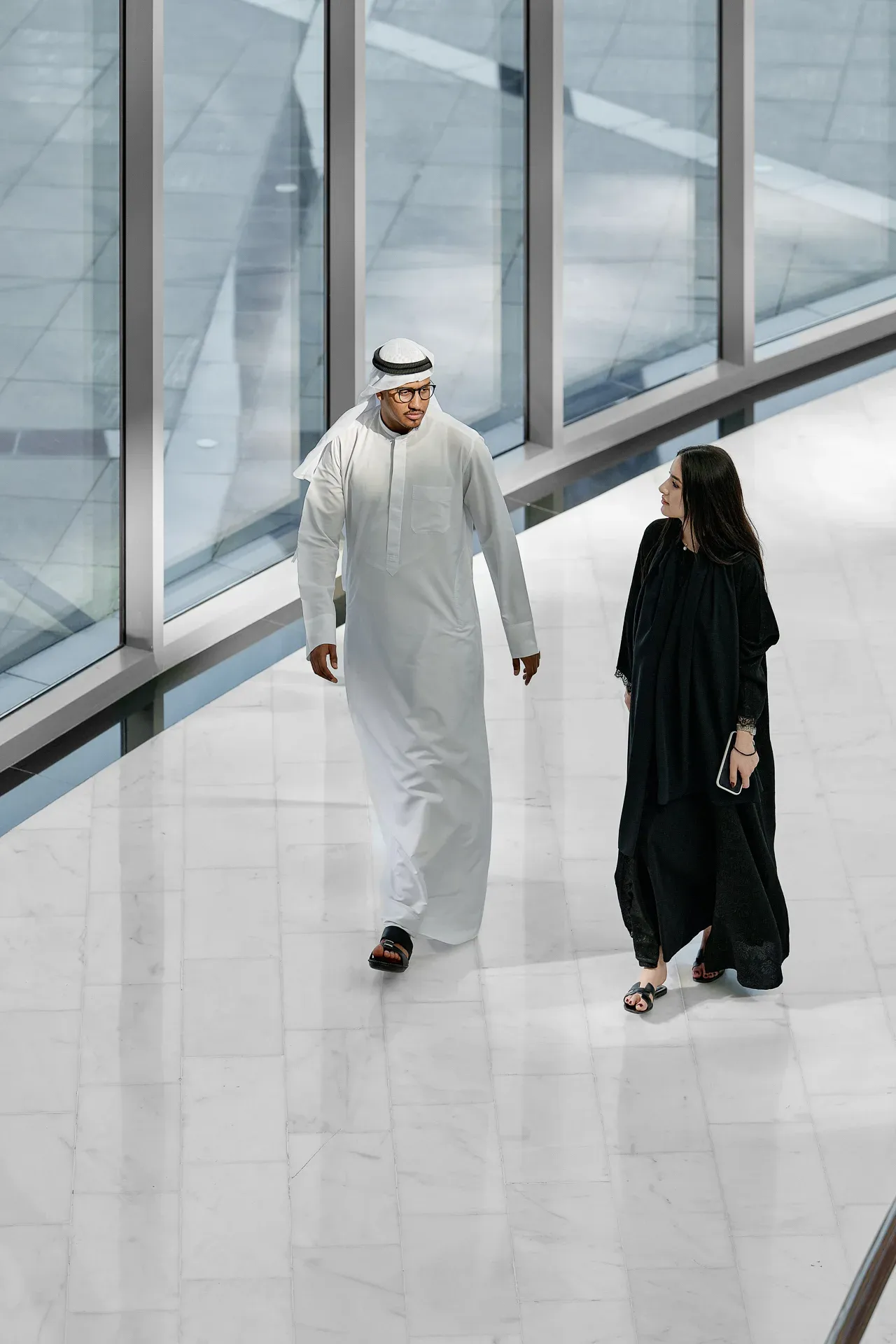
Visit EGSH for VIP Service Without Queues
You can stop by EGSH during working hours without an appointment or book your visit at a time that suits you best.
Address
Art of Living Mall, Al Barsha 2, Dubai
Operating hours
Monday–Thursday, Saturday: 9:00 am–5:00 pm
Friday: 9:00 am–12:00 pm, 2:00 pm–5:00 pm
Sunday: Closed

How Ownership Type Affects Resale, Mortgage, and Inheritance Registration
Subsequent DLD transactions — resale, mortgage registration, and inheritance — differ in practical terms depending on ownership type.
Resale registration: A freehold resale is a standard property ownership transfer. The buyer receives a new freehold title deed with no time limitation. A leasehold resale transfers only the remaining term to the buyer. If 60 years remain on a 99-year lease, the buyer acquires 60 years of registered rights. As the remaining term decreases, the resale dynamics may shift — shorter terms can affect both buyer interest and achievable pricing.
Mortgage registration: The DLD registers mortgages on both freehold and leasehold title deeds. The mortgage registration fee is 0.25% of the loan amount, plus AED 250 for title deed issuance and applicable knowledge and innovation fees. This fee structure applies regardless of ownership type. However, banks may apply internal policies requiring a minimum remaining lease term before approving a mortgage on leasehold property. Buyers relying on finance for leasehold acquisitions should confirm the bank's minimum term requirements before proceeding.
Inheritance registration: Freehold property passes to heirs under applicable succession rules, and the title deed can be transferred through the DLD's heirs ownership registration service. Leasehold and usufruct interests also pass to heirs, but remain subject to the remaining term. Both require formal registration at the DLD to update the title deed or certificate to reflect the new owner.

Related Services
Frequently Asked Questions
What type of title deed does DLD issue for leasehold property in Dubai?
The DLD issues a title deed or certificate that specifies the leasehold nature of the right, including the lease duration, start date, and lessee's rights. This registered document creates a real right — enforceable against third parties — for the full term of the lease. It differs from a freehold title deed, which records indefinite ownership.
How do I register freehold property with the DLD?
Freehold property registration is completed through an authorised Real Estate Registration Trustee Centre. Both buyer and seller attend with valid identification and an e-NOC from the developer. The trustee verifies documents, enters the transaction into the DLD system, and collects the applicable fees. The electronic title deed is issued on the same day for standard cash transactions, typically within 20 minutes of document verification.
What is the difference between a freehold and usufruct title deed in Dubai?
A freehold title deed confirms permanent ownership of both the property and the land. A usufruct certificate confirms the right to use and benefit from a property for a specified period of up to 99 years, without owning the underlying land. When the usufruct period ends, the right reverts to the property owner. Both are registered with the DLD and enforceable as real rights for their respective durations.
Can foreigners register leasehold property in Dubai?
Foreign nationals may register leasehold rights of up to 99 years in designated areas approved under Regulation No. 3 of 2006. The registration process follows the same trustee centre pathway as freehold transactions, with the additional requirement of a lease agreement specifying the term and conditions. The DLD issues a certificate reflecting the foreign national's registered leasehold interest.
Are DLD registration fees different for freehold and leasehold properties?
The administrative fees — title deed issuance (AED 250), map fees, knowledge and innovation fees, and trustee service charges — are identical. The primary difference is in the transfer fee calculation. Freehold sale registration applies 4% to the property's sale value. Leasehold registration applies 4% to the total rental value. Musataha registration applies a reduced 1% rate, with additional charges on resale of built-up musataha interests.
What is musataha registration in Dubai?
Musataha is a registered right that authorises construction or development on another party's land for a period of up to 50 years. The DLD registers musataha agreements through its usufruct and musataha registration service. The musataha holder receives a certificate — distinct from a standard title deed — that reflects the right to build, the term, and any specific conditions. Municipality approvals may be required where construction is authorised.
How long does freehold registration take at the trustee office?
The DLD estimates approximately 20 minutes for a standard freehold sale registration once all documents have been verified and submitted. Usufruct and musataha registrations may require up to 30 minutes. Actual processing time depends on the completeness of documentation and the complexity of the transaction.
Do I need a No Objection Certificate for leasehold property registration?
An electronic No Objection Certificate (e-NOC) from the developer is required for all property transactions in freehold areas, regardless of whether the ownership type is freehold, leasehold, usufruct, or musataha. The e-NOC confirms that the developer has no outstanding obligations or objections to the transfer and is obtained through the Dubai REST app.

Explained by
Omar Abdulaziz Ali Al Qassim
Government Services Center Manager / Legal Consultant
Omar Abdulaziz Ali Al Qassim is a Government Services Center Manager and Legal Consultant with 8 years of experience. He specialises in real estate, licensing, residency, labour, and Ejari services, ensuring accurate and compliant processing across DLD, MOHRE, GDRFA, and DET systems.
Official Sources and References
- Dubai Land Department (DLD) — Registration authority for all real property rights in Dubai
- Dubai Legislation Portal — Official repository for Law No. 7 of 2006 and Regulation No. 3 of 2006
- UAE Government Portal — Federal guidance on foreign property ownership rights in the UAE
Important Notice
This article is for general information only and is not legal advice. Property laws, regulations, and administrative procedures can change. Always consult the relevant land department, official UAE government portals, and qualified professional advisers before making property-related decisions or signing any contracts.



