


Selling Property in Dubai from the First Offer to the New Title Deed
How to sell property in Dubai follows one sequence: the seller agrees a price with the buyer in Form F, obtains the e-NOC, clears any mortgage and registers the sale at a Real Estate Registration Trustee office, where the DLD issues the buyer's new title deed. The DLD sale registration fee is 4% of the sale value and is paid by the buyer. The trustee office charges AED 2,000 + VAT when the sale value is below AED 500,000 and AED 4,000 + VAT from AED 500,000. When both parties hold a UAE ID, a mortgage-free freehold apartment, office or townhouse can be sold digitally through the Dubai Now app.
The guide covers the sale of a ready apartment, villa, townhouse or office in a freehold area by an owner living in the UAE or abroad. It sets out the eight steps of selling property in Dubai, the costs on the seller's side, the documents for each stage and the time each stage takes, with separate rules for mortgaged and tenanted properties, sales from abroad, inherited and company-owned property.
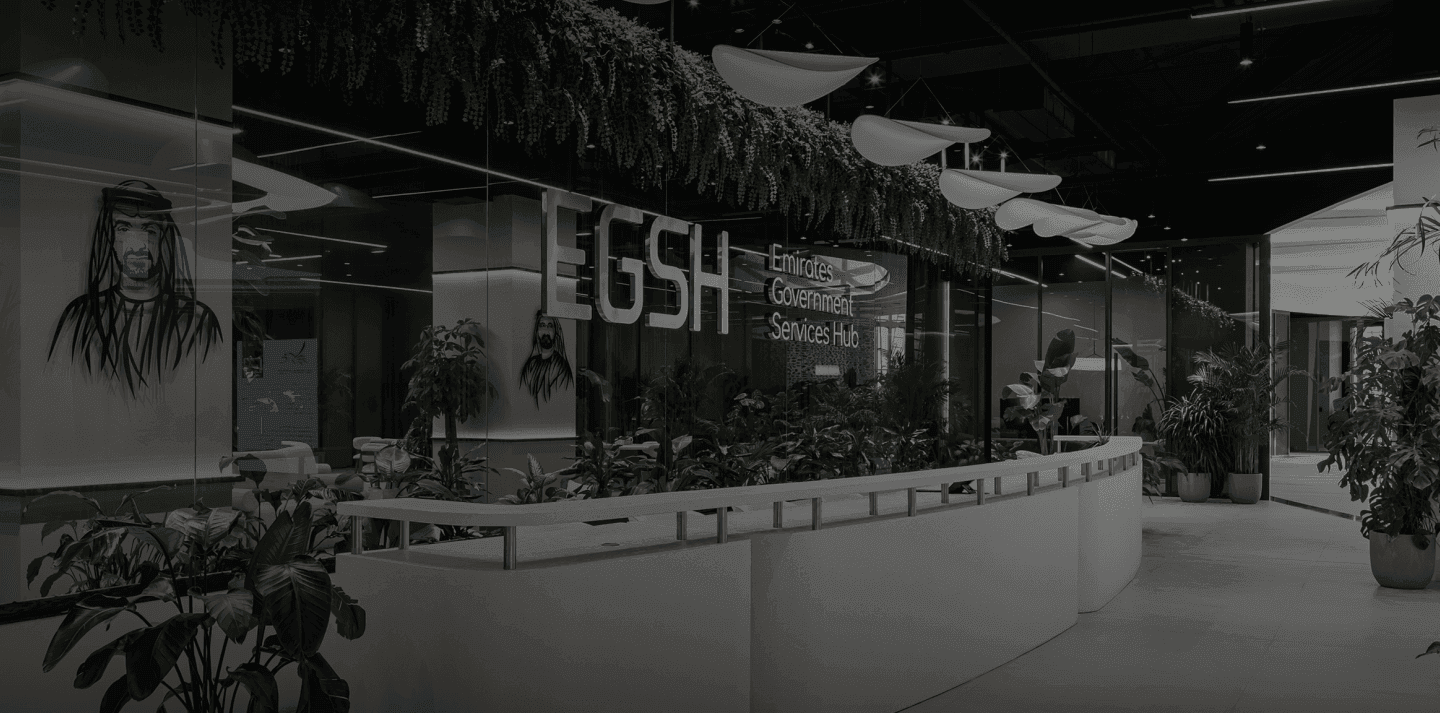
EGSH is a Real Estate Registration Trustee office where the sale is registered with the DLD. At EGSH, the seller obtains the DLD property valuation, files the e-NOC request and prepares the power of attorney for a sale signed by a representative.

How to Sell Property in Dubai in 8 Steps
The process of selling property in Dubai has eight steps. Steps one to six are completed before the transfer appointment.
- Check the title deed, mortgage and service charges. The names, shares and restrictions on the title deed and the service-charge account have to match the sale.
- Set the price. The DLD valuation certificate gives an official reference value for the property.
- Choose an agent or sell directly. A broker is appointed through Form A, and a direct sale goes ahead without one.
- Agree the offer and sign Form F. Form F fixes the price, the deposit, the dates and the allocation of fees.
- Clear the mortgage, if there is one. The bank issues a liability letter with the amount needed to release the property.
- Obtain the e-NOC. The developer or the owners' association management company confirms that it has no objection to the transfer.
- Register the sale. The parties register the transfer at a trustee office or sign it digitally through Dubai Now.
- Hand over the property and close the accounts. The seller hands over keys and access cards and settles the final utility and service-charge bills.
The sale is a contract between the seller and the buyer, and the DLD registers it and issues the title deed in the buyer's name. The trustee office checks the documents, enters the transaction in the DLD system and collects the fees. The developer or the management company issues the NOC, and the seller's bank releases the mortgage. A broker involved in the sale works under the supervision of the Real Estate Regulatory Agency (RERA), the regulatory arm of the DLD.

Before Listing: Title Deed, Mortgage, Service Charges and Price
The title deed sets who can sell. A property held by several co-owners is sold with the signature of every co-owner, or of a representative acting under a power of attorney that covers this property. The title deed shows each owner's share, and it records any mortgage or restriction that blocks a transfer until it is lifted. The electronic title deed is available in the Dubai REST app, and a title deed verification confirms the current ownership data before the property is listed.
The service-charge account determines whether the NOC is issued. The developer or the management company reviews the owner's account before approving the request, and a request with outstanding dues is rejected with reasons. The owner settles the dues and resubmits, which adds a new review cycle to the timeline of the sale.

The DLD valuation certificate gives the property an official value before the price is set. A DLD valuation of an apartment or villa costs AED 4,000, plus AED 10 each for the knowledge and innovation fees. At a trustee centre, a service partner fee of AED 230 + VAT is added, and the certificate for a residential unit is issued at once. EGSH processes the DLD property valuation for sellers. Transaction data and price indices give other ways to check what a property is worth.
The price in the contract is the basis of the DLD fee. Under Article 4 of Executive Council Resolution No. (30) of 2013, the DLD may verify the declared value and assess the property itself when the contract value is below the market value. Articles 5 and 6 treat a false value as evasion of fees, punished by a fine of double the fee. The same fine applies to a developer or broker who helps a party evade the fee.

Explore EGSH Government Services in Dubai
Selling Through an Agent or Directly: Form A and Dubai Now
Form A is the agreement between the seller and a brokerage. It sets the terms of the listing, the marketing the brokerage carries out and the commission. It gives the brokerage the authority to advertise the property under a RERA permit. A seller can check that the broker is RERA-registered before signing Form A.
Form A fixes the amount of the commission and the point at which it becomes due. Brokerage is a taxable service, so VAT at 5% is added to the commission.
A sale without an agent goes through the same registration. The seller finds the buyer, the parties sign Form F and register the transfer at a trustee office. Two individuals who both hold a UAE ID can register a mortgage-free freehold apartment, office or townhouse through Dubai Now, where the system generates the sale and purchase agreement and both parties sign it with UAE PASS. The way Form A, Form B and Form F fit together sets which contract governs each stage of the sale.

Form F (MOU): The Sale Contract and the Deposit
Form F is the DLD's unified contract between the seller and the buyer. It records the property, the price, the deposit, the payment schedule and the transfer date. It sets out the fees each party pays and the consequences of withdrawal for each side, including what happens to the deposit. Once signed, Form F binds both parties to complete the transfer on its terms.
The deposit is the amount the parties agree and record in Form F. The buyer pays it on signing, by manager's cheque in most cases. The terms of Form F and the 10% deposit set when the deposit passes to the seller and when it returns to the buyer.
Four points in Form F decide how transfer day goes for the seller: the allocation of the DLD fee and the trustee office fee, the deadline for the buyer's mortgage approval, the condition of the property at handover and the status of any tenant. The withdrawal terms of the form set the consequence of a missed mortgage deadline. A lease binds the buyer after the transfer, so the tenancy terms are written into Form F before it is signed.

What the Seller Pays When Selling Property in Dubai
The fees for selling property in Dubai fall into three groups. The first is the government charges collected by the DLD: the 4% sale registration fee paid by the buyer, the title deed fee, the map fee and the knowledge and innovation fees, together with the trustee office fee. The second is the payments to third parties: the NOC charge set by the developer or management company, the broker's commission under Form A and any early settlement charge set by the seller's bank. The third is the optional DLD valuation ordered before listing.
The cost of selling property in Dubai for an individual includes no tax on the gain. The UAE does not levy income tax on individuals, and Cabinet Decision No. (49) of 2023 excludes a natural person's real estate investment carried out without a licence from corporate tax. A seller who is tax resident in another country reports the sale under that country's rules. The tax and legal steps for non-resident sellers cover the documents a foreign tax authority asks for.
On a sale at AED 2,000,000, the DLD fee is AED 80,000, paid by the buyer. The trustee office fee on that sale is AED 4,000 + VAT, or AED 4,200, and Form F records which party pays it. The fixed DLD charges for an apartment come to AED 520. The full schedule of DLD fees in detail shows the charges for every other DLD transaction.

Who Pays the 4% DLD Fee: Buyer or Seller?
The buyer pays the 4% DLD fee on a Dubai property sale. Item 1 of the fee schedule in Executive Council Resolution No. (30) of 2013 sets the fee for registering a sale contract at 4% of the contract value. The fee is paid at registration, before the DLD issues the title deed in the buyer's name.
Form F records the fee allocation for the transaction, including the trustee office fee and the fixed DLD charges. The trustee office collects the fees on transfer day in line with that allocation.
The way the 4% DLD transfer fee is paid depends on the channel. At a trustee office, it is paid by ePay, Dubai Pay, the Noqodi wallet or a manager's cheque. In a mortgaged sale, the fee is paid by a manager's cheque to the DLD, one of three cheques brought to the office. In a Dubai Now sale, the buyer pays the fee into the escrow account together with the sale amount.

Get Business Services in Dubai Through EGSH
Authorised One-Stop Government Services Centre
- All government services in one place
- Completed in one visit
- VIP service without queues
- Regulated government fees

Selling a Mortgaged Property: Liability Letter and Bank Clearance
A mortgaged property is sold through a separate DLD procedure that pays the bank out of the sale price. The seller first obtains a liability letter from the bank, which states the amount needed to clear the loan. Where the property is still being paid for to the developer, a letter from the developer states the remaining amount. A mortgaged property cannot be sold through Dubai Now, because the digital channel accepts only properties free of mortgages and restrictions.
When the buyer pays without a mortgage, the parties bring three manager's cheques to the trustee office. One goes to the bank or developer for the debt, one to the seller for the balance and one to the DLD for the 4% fee. After the DLD auditor reviews the transaction, both parties receive a registration certificate link by email. The sale is completed once the bank's mortgage release letter is submitted, and the registration takes 15 to 20 minutes. When the buyer finances the purchase, the buyer's bank pays out the seller's bank and the new mortgage is registered in the same transaction.
The bank's own charges for early settlement are set by the loan agreement, and the bank confirms the amount on request. The full sequence for selling a mortgaged property step by step covers the blocking of the property and the release of the mortgage. EGSH registers the sale of a mortgaged property through the three-cheque procedure.

The Developer NOC: What It Checks and How to Get It
The DLD requires an e-NOC for the sale of a property in a freehold area. The e-NOC is requested through the Dubai REST app, where the owner selects the property, enters the buyer's details and attaches the documents. The sale is registered only once the approved e-NOC is in the DLD system.
The e-NOC is issued by the party that manages the property's accounts. For ready properties in buildings registered in the Mollak service-charge system, the owners' association management company processes the request in 3 to 5 working days and sends either an approval with a validity date or a rejection with reasons. For other properties, the developer reviews the owner's account, including service charges and any amounts still due to it under the sale contract, before it issues the NOC.
The charge for the NOC and its validity are set by the developer or management company. The approval carries its own expiry date, so the transfer appointment is booked within that period. The steps to get a NOC from the developer differ from one developer to another. Each developer sets its own charge for a NOC.

Transfer Day at the Real Estate Registration Trustee Office
On transfer day, the seller and the buyer, or their representatives, attend the trustee office with the documents. The registrar checks the documents, has any deficiency corrected and uploads them to the DLD digital vault. The registrar then enters and audits the transaction data, the fees are paid and the receipt is sent by email. The buyer's details are entered from the Emirates ID or passport, and the request is created with a reference number.
A sale registration takes about 20 minutes. Fees are paid by ePay, Dubai Pay, the Noqodi wallet or a manager's cheque. The seller receives the price on the terms in Form F, and the buyer receives the electronic title deed and the electronic map. At EGSH, sellers register the sale at a trustee office on the day the price is paid.
A seller who cannot attend signs through a representative. The DLD accepts a power of attorney to sell a property when it names the property and grants the authority to sell it. The registration steps, the documents at the counter and the fee receipt are set out in the property transfer procedure in Dubai.

Selling a Tenanted Property in Dubai
A lease survives the sale of the property. Under Article 28 of Law No. (26) of 2007 Regulating the Relationship between Landlords and Tenants in the Emirate of Dubai, the transfer of ownership does not affect the tenant's right to occupy the property under the lease signed with the previous owner. The buyer steps into the landlord's position for the rest of the lease term.
A buyer who needs the property vacant depends on the owner's right to end the tenancy for a sale. Article 25(2)(d), as amended by Law No. (33) of 2008, allows the landlord to seek eviction on expiry of the lease when the owner wishes to sell the property. The landlord notifies the tenant of this reason at least 12 months before the date of eviction, through a notary public or by registered mail.
The tenancy status goes into Form F. The form records whether the buyer takes the property with the tenant, the rent and deposit to be passed on and the date by which a notice to vacate has been served. Viewings take place on terms agreed with the tenant. The rules of Dubai rental law govern the tenant's rights after the transfer.

Visit EGSH for VIP Service Without Queues
You can stop by EGSH during working hours without an appointment or book your visit at a time that suits you best.
Address
Art of Living Mall, Al Barsha 2, Dubai
Operating hours
Monday–Thursday, Saturday: 9:00 am–5:00 pm
Friday: 9:00 am–12:00 pm, 2:00 pm–5:00 pm
Sunday: Closed

Special Cases: Abroad, Off-Plan, Inherited, Company-Owned and Auctions
An owner who lives abroad can sell in person at a trustee office, which accepts a passport from a non-resident foreign owner. The Dubai Now channel requires a UAE ID and UAE PASS, so a non-resident without a UAE ID sells through a trustee office or a representative. The tax and legal steps for non-resident sellers cover the power of attorney and the tax position at home.
An off-plan unit sold before handover is transferred in the DLD interim register with the developer's NOC, and the rules for selling off-plan before handover set the conditions. Heirs sell an inherited property once their rights are established, and selling inherited property follows the court decision or registered will. EGSH registers the sale through the heirs sale procedure at the DLD.
A company sells only after it is registered with the DLD, and a sale of company-owned property requires the company's documents and the signatory's authority. A buyer who pays part of the price later can register the deal through a delayed sell with deferred payment. An owner with missed payments to the developer settles the arrears or agrees them with the developer before the NOC is issued. A sale ordered by a court or a bank goes through one of the property auctions in Dubai.

After the Sale: Handover and Closing the Seller's Accounts
The seller hands the buyer the keys, access cards, parking cards and remote controls on the date set in Form F. Where the property is let, the seller passes on the tenancy contract, the tenant's contact details and the security deposit, as agreed in Form F.
The seller closes the utility accounts in the seller's name. These are the DEWA account for electricity and water, the district cooling (chiller) account and the gas account. Each provider issues a final bill, and the refundable deposits are returned after it is settled. The seller notifies the management company of the sale, requests a final service-charge statement and recovers any deposits for access cards or parking.
The seller keeps the transaction file. It holds Form A and Form F, the e-NOC, the DLD and trustee office receipts, proof of payment of the price and the final utility and service-charge statements. The file is the seller's evidence of the sale price and date for a bank, a tax authority abroad or a later claim by the buyer.

Frequently Asked Questions
How do I sell my property in Dubai?
The seller signs Form A when listing with a broker, agrees the sale with the buyer in Form F, clears any mortgage and obtains the e-NOC. The sale is then registered at a Real Estate Registration Trustee office, or through Dubai Now for an eligible mortgage-free freehold unit. The DLD issues the electronic title deed to the buyer on registration.
What documents are required to sell property in Dubai?
The documents required to sell property in Dubai are the seller's Emirates ID, or passport for a non-resident owner, the title deed, the signed Form F and the e-NOC for a property in a freehold area. A bank liability letter is added for a mortgaged property, and a power of attorney when a representative signs. A company adds its documents and DLD registration, and a let property adds the tenancy contract.
What are the fees for selling property in Dubai?
The DLD charges 4% of the sale value, paid by the buyer, plus AED 250 for the title deed, a map fee of AED 100 to AED 250 and AED 10 each for the knowledge and innovation fees. The trustee office fee is AED 2,000 + VAT below AED 500,000 and AED 4,000 + VAT from AED 500,000. The seller pays the broker's commission under Form A with 5% VAT and any bank early settlement charge, and Form F allocates the NOC charge and the trustee office fee.
Who pays the 4% DLD fee, the buyer or the seller?
The buyer pays the 4% DLD fee on a Dubai property sale. Form F records the fee allocation, together with the party paying the trustee office fee and the fixed DLD charges. On a sale at AED 2,000,000, the DLD fee is AED 80,000.
How much commission does an agent charge to sell property in Dubai?
The commission is the amount agreed between the seller and the brokerage in Form A. VAT at 5% is added to it. A seller who finds the buyer without a broker pays no commission.
Can I sell my property in Dubai without an agent?
A property in Dubai can be sold without an agent. The seller finds the buyer, signs Form F with the buyer and registers the transfer at a trustee office. Two individuals with a UAE ID can complete the sale of a mortgage-free freehold apartment, office or townhouse through Dubai Now.
How long does it take to sell a property in Dubai?
The registration itself takes about 20 minutes at a trustee office, or 15 to 20 minutes for a mortgaged sale. The total time depends on finding a buyer, the buyer's mortgage approval, the release of the seller's mortgage and the e-NOC. No official period covers the whole sale.
Can I sell a property in Dubai that still has a mortgage?
A mortgaged property in Dubai can be sold through the DLD procedure for the sale of a mortgaged property. The seller obtains a liability letter from the bank, the debt is paid from the price by manager's cheque or between the banks, and the mortgage is released as part of the transaction. Dubai Now does not accept mortgaged properties.
Can I sell my Dubai property if I live abroad?
An owner who lives abroad can sell in person at a trustee office with a passport, or through a representative with a power of attorney that authorises the sale of the property. The Dubai Now digital sale requires a UAE ID and UAE PASS.
Do I pay tax when I sell property in Dubai?
An individual pays no income tax or capital gains tax in the UAE on the sale of property. A seller who is tax resident in another country reports the sale under that country's rules. A company that sells property falls under UAE corporate tax.

Official Sources and References
The procedures and fees in this article are set out in the following official sources.
- Dubai Land Department — Dubai Land Department website
- Dubai Land Department — Property Sale Registration service card
- Dubai Land Department — Registering the Sale of a Mortgaged Property service card
- Dubai Land Department — Buy or Sell Property via Dubai Now service card
- Dubai Land Department — Property Valuation service card
- Dubai Land Department — Electronic No Objection Certification (eNOC) user guide
- Dubai Legislation Portal — Executive Council Resolution No. (30) of 2013 approving the fees of the Land Department
- Dubai Legislation Portal — Law No. (26) of 2007 Regulating the Relationship between Landlords and Tenants in the Emirate of Dubai
- Dubai Legislation Portal — Law No. (33) of 2008 amending Law No. (26) of 2007
- UAE Government Portal — Taxation in the UAE
- UAE Ministry of Finance — Cabinet Decision No. (49) of 2023 on business activities of natural persons subject to corporate tax
Important Notice
EGSH is a Real Estate Registration Trustee office. Government fees are set by the Dubai Land Department, registration decisions are made by the Dubai Land Department, and EGSH does not act as a broker. This article explains the general procedure for selling a ready property in Dubai and is not legal or tax advice for a particular sale. Fees, documents and procedures are set by the DLD, developers and banks and may change, and the amount on the DLD receipt is final.
Updated November 2026: fees and documents checked against the DLD service cards for property sale registration, the sale of a mortgaged property, the Dubai Now digital sale and property valuation, and against Executive Council Resolution No. (30) of 2013.



